
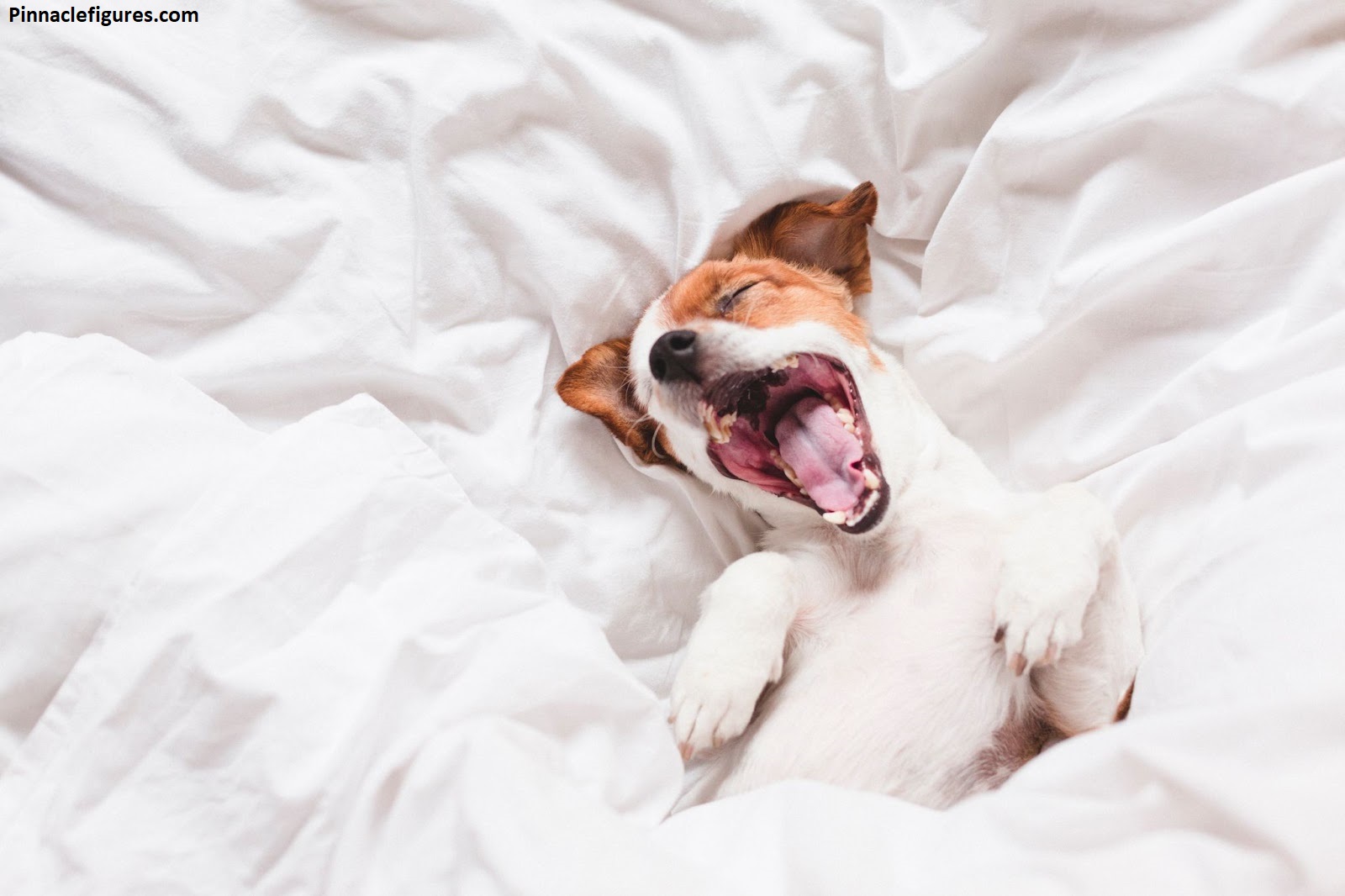
Why Do Dogs Snore? Dogs snore for many of the same reasons humans do.
The sound occurs when airflow is partially blocked through the throat or nasal passages, causing surrounding tissues to vibrate during sleep.
Flat-faced breeds like Bulldogs, Pugs, and French Bulldogs are especially prone to snoring due to their shortened airways and compressed facial structure.
Sleeping position also plays a role, as lying on the back relaxes throat muscles and narrows the airway. Obesity, allergies, and nasal congestion can further restrict breathing and worsen snoring.
Older dogs tend to snore more as their muscle tone naturally decreases with age.
While occasional snoring is harmless, sudden or unusually loud snoring deserves a veterinary checkup.
My bulldog, Bruno, snores louder than my husband. I’m not exaggerating. The first night we brought him home, I genuinely thought someone had left a lawnmower running somewhere down the street.
Took me a solid three minutes to trace the sound to the 12-pound puppy curled up on his dog bed in the corner.
Table of Contents
Quick Table
| Cause | Details |
|---|---|
| Breed Anatomy | Flat-faced breeds (Pugs, Bulldogs) have shortened airways |
| Sleeping Position | Lying on back relaxes throat muscles, narrows airway |
| Obesity | Extra tissue around the throat restricts airflow |
| Allergies/Congestion | Inflammation narrows nasal passages |
| Age | Older dogs lose muscle tone, increasing snoring |
| Foreign Objects | Debris in nasal passage can block airflow |
| Infections | Respiratory infections cause swelling and blockage |
| When to See a Vet | Sudden, loud, or new snoring warrants a checkup |
Why Do Dogs Snore?
Dogs snore for many of the same reasons humans do. The sound occurs when airflow is partially blocked through the throat or nasal passages, causing surrounding tissues to vibrate during sleep.
Flat-faced breeds like Bulldogs, Pugs, and French Bulldogs are especially prone to snoring due to their shortened airways and compressed facial structure.
Sleeping position also plays a role, as lying on the back relaxes throat muscles and narrows the airway. Obesity, allergies, and nasal congestion can further restrict breathing and worsen snoring.
Older dogs tend to snore more as their muscle tone naturally decreases with age. While occasional snoring is harmless, sudden or unusually loud snoring deserves a veterinary checkup.
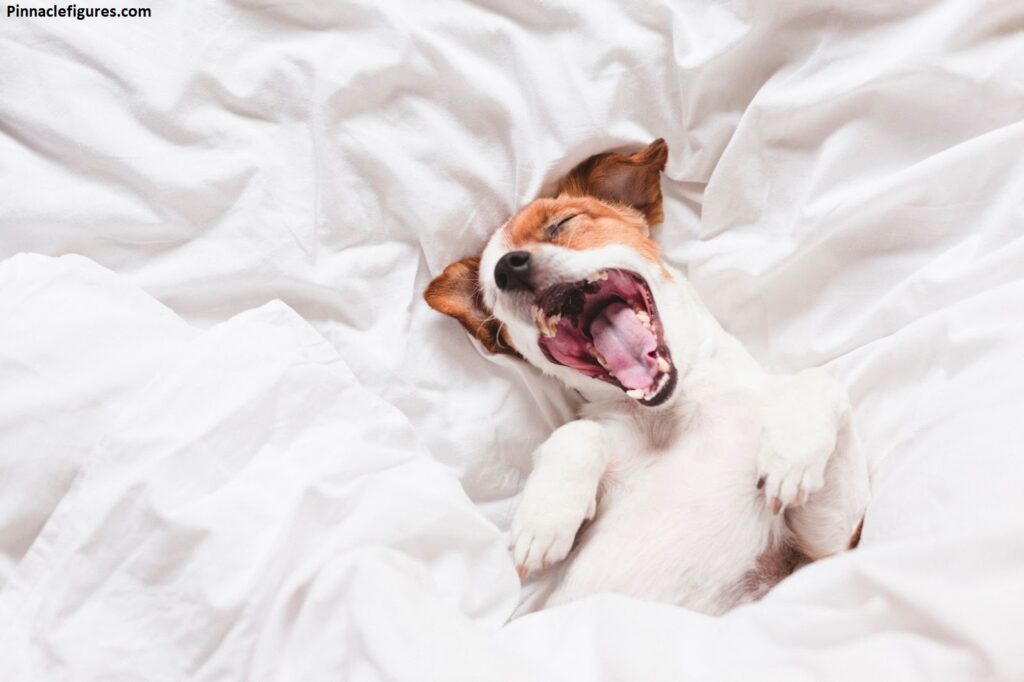
So Why Does Your Dog Snore?
There isn’t one single answer.
Dog snoring happens for a bunch of different reasons, and figuring out which one applies to your pup actually matters — because some causes are completely harmless, and others are your dog’s way of saying “hey, something’s not quite right here.”
Here’s what I’ve learned after years of living with snory dogs (and one anxious trip to the vet that turned out to be totally unnecessary).
Breed Is the Biggest Factor
If you’ve got a French Bulldog, English Bulldog, Pug, Shih Tzu, Boston Terrier, Boxer, or Pekingese — congratulations, you signed up for snoring when you picked the breed.
These are called brachycephalic breeds, which is a fancy word for “flat-faced.”
What’s actually happening is that their skull shape compresses their airways. They’ve got the same amount of soft tissue in their throat as a dog with a longer snout, but way less room for it.
So when air tries to move through, it has to squeeze past tissue that’s slightly in the way — and that’s what makes the sound.
Bruno is a Bulldog mix, so his snoring is almost entirely structural. The vet told me early on, “That’s just his face.” Which honestly is the most accurate diagnosis I’ve ever heard.
If your flat-faced dog snores every single night with no other symptoms, it’s probably just the breed doing its thing.
Sleep Position Matters More Than You’d Think
Dogs who sleep on their backs snore more than dogs who sleep curled up.
When they’re flat on their back with their legs in the air (the classic “dead roach” position, as we call it), the soft tissues in their throat relax and partially block the airway.
My older dog, a Labrador mix named Penny, only snores when she sprawls out on her back. The second she shifts to her side, it stops.
If your dog only snores sometimes, watch their sleep position — there’s a good chance this is all it is.

Allergies and Congestion
Dogs get seasonal allergies just like people do. Pollen, dust mites, mold — all of it can inflame the nasal passages and make breathing louder and more difficult.
I started noticing that Penny’s snoring got worse every spring. After talking to the vet, we figured out she was reacting to tree pollen. We started wiping her paws and face after outdoor walks (a damp cloth works fine, or pet-specific wipes), and it actually helped cut down on her indoor congestion.
If your dog’s snoring is new or seasonal, allergies are worth looking into.
Your vet can do a simple allergy test or recommend an antihistamine — but always check with your vet before giving any medication, because what’s safe for humans isn’t always safe for dogs.
Weight and Obesity
Extra weight around the neck and throat can put pressure on the airway and cause snoring. It’s the same reason overweight humans snore more.
If your dog has recently gained some weight and you’ve noticed new or louder snoring, this is a real possibility.
A healthy weight doesn’t just affect their joints and energy levels — it affects their breathing too.
The hard part here is that we often don’t notice gradual weight gain in our dogs. A good rule of thumb: you should be able to feel your dog’s ribs without pressing hard, but not see them.
If you can’t feel them at all, it’s worth mentioning to your vet.
Something Stuck in the Nose or Throat
Dogs stick their noses into everything. A grass seed, a tiny piece of debris, even a fragment from a toy can lodge itself in the nasal passage and cause persistent snoring or snuffling sounds.
This one’s more of a “new and sudden” snoring situation.
If your dog was breathing fine and then suddenly started making unusual sounds — especially if they’re also pawing at their nose or shaking their head — it’s time to call the vet. Don’t try to dig around in there yourself.
Dental Problems
This one surprised me when I first learned about it. Tooth root infections, especially in the upper teeth, can cause swelling that affects the nasal passages and leads to snoring.
If your dog is snoring more than usual and you notice bad breath, reluctance to eat, or swelling around the face, a dental issue might be the culprit.
Dogs are really good at hiding pain, so dental problems often go unnoticed longer than they should.
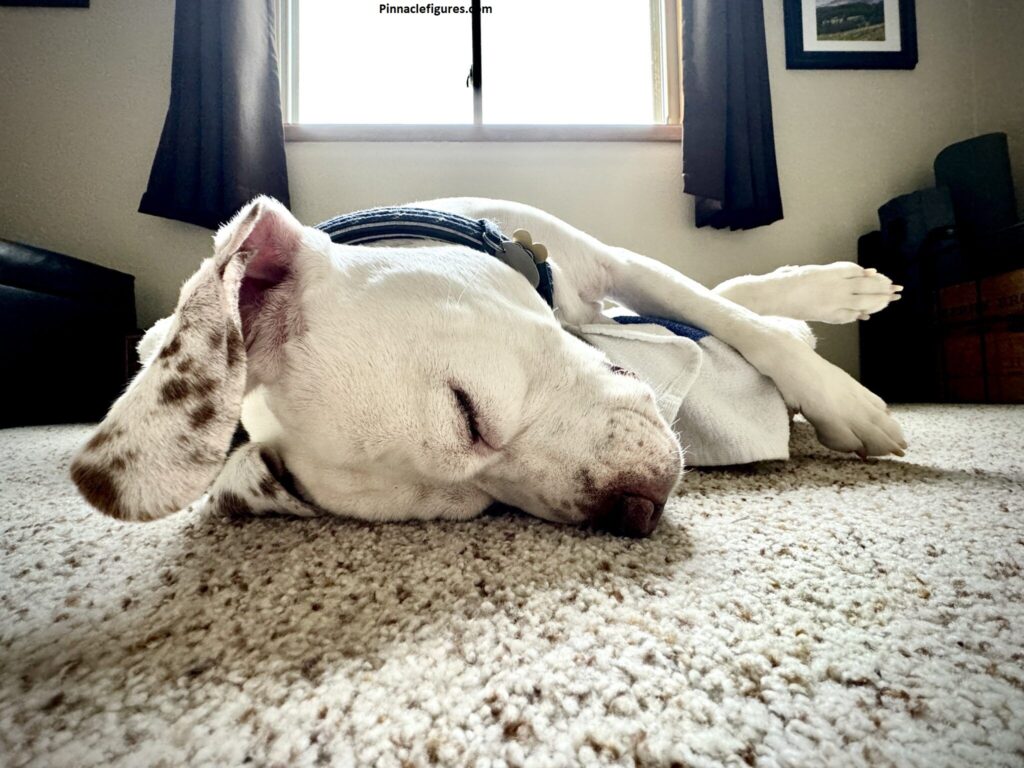
Hypothyroidism and Other Health Conditions
Some medical conditions cause muscle tone to decrease throughout the body — including the muscles in the throat.
Hypothyroidism is one example. When the throat muscles are less toned, they collapse more during breathing and create more snoring.
This is more of a “rule out” situation than a first guess. If your dog is snoring more and you’ve also noticed weight gain, lethargy, hair loss, or other changes, it’s worth a vet visit to check thyroid function and run some basic bloodwork.
When Should You Actually Worry?
Most snoring is benign. But here’s when you should call your vet — don’t wait on these:
Call your vet if:
- Snoring started suddenly with no obvious cause
- Your dog is gasping, choking, or struggling to breathe
- They’re snoring while awake, not just asleep
- You notice blue or pale gums at any point (that’s an emergency — go immediately)
- Snoring is accompanied by nasal discharge, coughing, or wheezing
- Your dog seems tired, lethargic, or less interested in exercise
The difference between “cute Bruno noises” and “something’s wrong” is usually pretty clear once you know what to look for.
What You Can Actually Do About It
If your vet has confirmed there’s no medical issue and your dog is just a snorer, here are some practical things that actually help:
- Change their sleeping position. Gently roll them to their side. I know it feels weird to mess with a sleeping dog, but most of them barely notice and it usually stops the snoring immediately.
- Elevate their head. A slightly raised pillow or orthopedic dog bed with a bolster can help keep the airway more open. Penny has one of those memory foam beds with a raised edge she rests her head on, and it’s made a noticeable difference.
- Keep the sleeping area clean. Dust and allergens in the bedroom can make snoring worse. Wash their bedding weekly, vacuum around where they sleep, and consider an air purifier if allergies are a factor. The Levoit Core 300 is a popular affordable option, and it’s small enough to sit right on a nightstand.
- Watch the weight. If your vet says your dog is overweight, even a small reduction can improve breathing. Measuring food instead of free-pouring, swapping some kibble for green beans or carrots as low-calorie treats — small changes add up.
- Manage allergies proactively. Wipe paws after walks, keep windows closed on high-pollen days, and talk to your vet about whether a daily antihistamine makes sense for your dog’s specific situation.
- Humidifiers help some dogs. Dry air can irritate nasal passages. A cool-mist humidifier in the room where your dog sleeps might reduce congestion-related snoring. This helped Penny noticeably during winter months when indoor heating made the air really dry.
What Doesn’t Work (From Experience)
I tried a few things that did absolutely nothing:
- “Snore-reducing” dog bandanas. I found these on Etsy and was convinced they’d help by supporting the jaw. Penny wore it twice, gave me a look that I can only describe as betrayed, and the snoring continued unchanged.
- Changing his food brand. Someone in a Facebook dog group swore up and down that switching to a grain-free diet stopped their Bulldog’s snoring. I tried it for two months. Bruno was delighted with the new food. Still snoring.
- Moving him to a different room. This just meant I felt guilty AND was still vaguely aware of snoring from down the hall.
The Brachycephalic Exception
If you have a flat-faced breed and their snoring is genuinely affecting their quality of life — like they seem to struggle to breathe, can’t exercise without heavy panting, or wake themselves up — it’s worth talking to a veterinary specialist about brachycephalic obstructive airway syndrome (BOAS).
There are surgical options that can actually help by widening the nostrils or shortening the soft palate. It’s not something most dogs need, but for severely affected dogs it can be life-changing.
A board-certified veterinary internist or surgeon can assess whether your dog is a candidate.

Living With a Snoring Dog
Here’s my honest take after years of this: for most dogs, snoring is just background noise. It’s one of those weirdly endearing things that becomes part of your life.
Bruno’s snoring has become so familiar that I actually sleep worse when he’s at the groomer’s and the house is quiet.
But you know your dog. If something feels off — if the snoring is new, or loud in a different way, or comes with other changes — trust your instincts and get it checked.
A quick vet visit to rule out something medical is always worth it.
Most of the time, though? Your dog is just comfortable, deeply asleep, and completely unbothered by the noise they’re making. Which is honestly a mood.
FAQ’s
Is it normal for my dog to snore every night?
Yes, many dogs snore regularly, especially flat-faced breeds. As long as breathing appears comfortable while awake, nightly snoring is generally harmless.
Can allergies cause my dog to snore?
Absolutely. Allergens like dust, pollen, and smoke can inflame nasal passages, restricting airflow and triggering snoring during sleep.
Should I wake my dog if it’s snoring loudly?
Not unless breathing seems severely labored. Occasional loud snoring is normal, but persistent difficulty breathing warrants a vet visit.
Can losing weight stop my dog from snoring?
Yes. Weight loss can significantly reduce snoring in overweight dogs by decreasing excess tissue around the throat and airway.
When is dog snoring a medical emergency?
If your dog gasps, chokes, stops breathing momentarily, or shows blue-tinged gums, seek emergency veterinary care immediately.
Conclusion
Dog snoring is a common and often completely harmless occurrence that many pet owners simply learn to live with over time.
Understanding the root causes — whether it is breed anatomy, body weight, sleeping position, allergies, or age-related changes — can help owners determine whether their dog’s snoring is simply a quirky nighttime habit or a sign of something requiring medical attention.
Flat-faced breeds like Pugs, Bulldogs, and Shih Tzus will likely snore throughout their lives due to their unique physical structure, and for these dogs, snoring is simply a part of who they are.
However, for breeds not typically prone to snoring, a sudden onset of loud or irregular snoring should never be ignored.
Maintaining a healthy weight, keeping your dog’s sleeping environment free from allergens, and scheduling regular veterinary checkups are the best steps any responsible owner can take.
A clean, comfortable sleeping space with good airflow can also make a noticeable difference in reducing snoring frequency and intensity.
Ultimately, knowing your dog’s normal behavior is your greatest tool. If something feels off or changes suddenly, trust your instincts and consult your veterinarian.
With the right care and attention, most dogs with snoring issues can enjoy restful, comfortable sleep — and so can you.
