
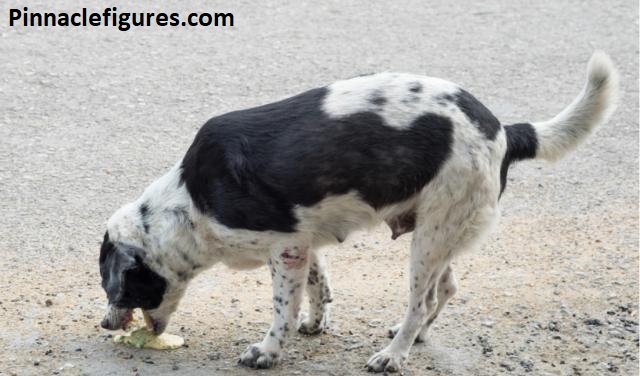
Why Do Dogs Eat Their Vomit? Dogs eat their vomit mainly due to ancient instinct.
Their wolf ancestors would regurgitate partially digested food to feed their pups, and that hardwired behavior stuck around.
When a dog vomits fresh food, their powerful nose detects it as still warm, familiar, and nutritious — so re-eating it feels completely natural to them, not gross.
It’s also practical: if food came back up because they ate too fast, re-eating gives their stomach a second chance to properly digest it.
In most cases it’s harmless. The main times to worry are if vomiting is repeated, if there’s blood, or if your dog seems lethargic or distressed afterward.
“My dog just threw up on the kitchen floor, and before I could grab a paper towel, she ate it. I screamed. She wagged her tail. I had so many questions.”
If you’ve lived with a dog for more than a week, there’s a good chance you’ve had that exact moment. It’s one of those things nobody warns you about when you bring a puppy home.
You’re picturing walks in the park, belly rubs, wholesome photos — and then one morning, you’re watching your dog casually reconsume breakfast like it’s perfectly normal.
Table of Contents
Quick Table
| Situation | Why it happens | Vomit looks like | Should you worry? |
|---|---|---|---|
| Ate too fast | Food came back up before digestion started; re-eating gives the stomach a second pass | Barely digested, food-like | No — common |
| Ancestral instinct | Wolves regurgitated food for pups; the behavior is hardwired, not a bad habit | Warm, fresh, food-smelling | No — instinct |
| Empty stomach | Stomach acid buildup from going too long without food; often happens in the morning | Yellow, foamy, watery | Usually no |
| Ate grass | Dogs eat grass when stomach feels off; often leads to vomiting and then re-eating | Green, grassy, mucousy | Usually no |
| Repeated vomiting | Could signal infection, blockage, pancreatitis, or toxin ingestion | Any — 3+ times in a row | Yes — call vet |
| Blood present | Internal bleeding, ulcer, or foreign object injury — always serious | Red streaks or dark brown | Yes — vet now |
| Ate something toxic | Chocolate, grapes, xylitol, onions — body trying to expel poison | Varies; dog seems unwell | Yes — vet now |
Why Do Dogs Eat Their Vomit?
Dogs eat their vomit mainly because of deep-rooted instinct inherited from their wolf ancestors.
Mother wolves would regurgitate partially digested food to feed their pups — and that behavior never fully disappeared in domestic dogs.
When a dog vomits fresh food, their powerful nose picks it up as still warm and nutritious. To them, leaving it on the floor makes no sense.
There’s also a practical side — if food came back up because they ate too fast, re-eating gives the stomach a second attempt at digestion.
Most of the time it’s completely harmless. Only worry if vomiting is frequent, bloody, or your dog seems unwell.
It Goes Way Back — Like, Wolf Pack Back
Dogs are descended from wolves, and wolves are scavengers with a gut built for efficiency. In the wild, a mother wolf would regurgitate partially digested food to feed her pups.
The pups, in turn, learned that regurgitated food was totally safe and nutritious. That instinct didn’t disappear just because your dog now eats out of a ceramic bowl with her name on it.
When your dog vomits, especially if it’s fresh and food-based (not bile, not frothy, not bloody), her nose immediately registers it as: warm, familiar, edible. To her, leaving it on the floor would be a waste.
Her brain is running an ancient program that says “re-consume that, it’s still good.”
Ancestral instinct
Wolves regurgitate food to feed pups — dogs kept the habit
Smell-driven
Dogs smell nutrients still present in fresh vomit
Reflex speed
Happens in seconds — faster than you can react
Not learned
It’s hardwired, not something they picked up from bad habits
The Science-y Part
When a dog vomits, the stomach acids and digestive enzymes have already started breaking down the food. The vomit is partially pre-digested.
Dogs have a short digestive tract, and their stomachs are highly acidic — so re-eating vomit isn’t the health hazard for them that it would be for us.
Their bodies can handle it. Their stomach pH is low enough that most bacteria get destroyed quickly. This is also why dogs can eat things off the ground that would land a human in the ER.
There’s also a stomach-emptying reflex at play. When food gets ejected too fast — say, your dog bolted their meal in 30 seconds flat — the stomach didn’t have time to properly process it.
Re-eating gives the digestive system a second pass at extracting nutrients.
Common Reasons Dogs Vomit
Most common triggers
- 1Eating too fast — the most frequent culprit, especially in deep-chested breeds like Labs, Boxers, and Golden Retrievers
- 2Motion sickness — car rides are a common one, especially in younger dogs who haven’t built tolerance yet
- 3Empty stomach — the yellowish, foamy bile vomit that happens in the morning? That’s just stomach acid buildup from going too long without food
- 4Eating grass — dogs often eat grass when their stomach feels off, then vomit. Scientists still debate whether they do it intentionally or accidentally
- 5Dietary changes — switching food too fast disrupts gut bacteria and can cause nausea
- 6Scavenging — eating something off the ground, garbage, dead things (the classics)
Should You Let Your Dog Re-Eat It?
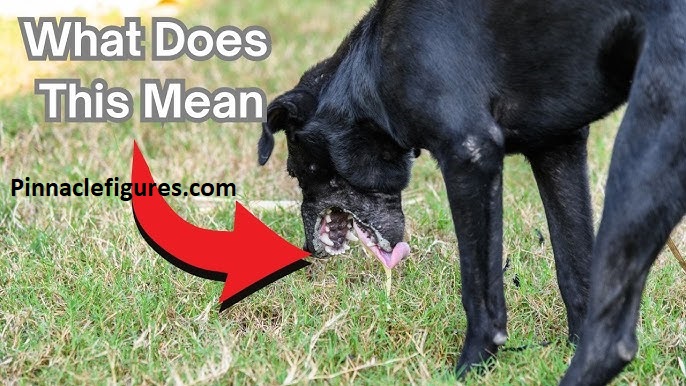
This is where things get nuanced, and honestly, most people’s instinct is to sprint toward the vomit with a paper towel. Completely understandable. But the “is it okay” question depends entirely on why they vomited in the first place.
If it’s simple regurgitation — food came back up almost immediately, looks barely digested, dog seems totally fine — that’s generally low-risk. You can let them have at it or clean it up, your call.
But if there are red flags? That’s when you step in.
When to intervene (and call your vet)
Vomiting is repeated more than 2–3 times in a short window. You notice blood, dark coffee-ground material, or foreign objects. Your dog looks lethargic, bloated, or distressed after vomiting.
The vomit is accompanied by diarrhea, drooling, or shaking. Your dog ate something known to be toxic — chocolate, grapes, xylitol, onions.
Bloat (GDV — gastric dilatation-volvulus) is a genuine emergency in larger breeds.
If your dog is trying to vomit but nothing comes out, their belly looks swollen, and they’re restless or hunched — skip the research and go straight to a vet or emergency animal clinic.
Real Talk: What I Do With My Own Dog
My dog Pepper — a medium-sized mutt with the appetite of a large farm animal — used to do this constantly when she was younger. She’d wolf down her food, throw up on the mat, and re-eat it before I even processed what happened.
After talking to our vet, here’s what actually helped:
Practical fixes that worked for us
- 1Slow feeder bowl — this was the single biggest change. Products like the Outward Hound Fun Feeder (about $10–15 on Amazon) have maze-like ridges that force dogs to work for their food. Pepper’s meal time went from 25 seconds to 4 minutes.
- 2Smaller, more frequent meals — instead of one big morning meal, we split it into two. Less volume per sitting = less chance of overload vomiting.
- 3No exercise for 30 minutes after eating — I used to take her straight out after breakfast. Bad idea. Letting the stomach settle first made a huge difference.
- 4Elevated food bowl (with caution) — this helps some dogs, but it’s actually controversial for large breeds prone to bloat. Ask your vet before trying this one.
- 5Transition food changes slowly — when switching kibble brands, mix 25% new with 75% old for a week, then slowly shift the ratio over 7–10 days. Rushing this is a classic mistake.
The Mistake I Made Early On
When I first got Pepper, I panicked every single time she vomited. I’d rush her to the vet after two episodes, spend $200 on bloodwork, get a diagnosis of “she just eats too fast.” Twice.
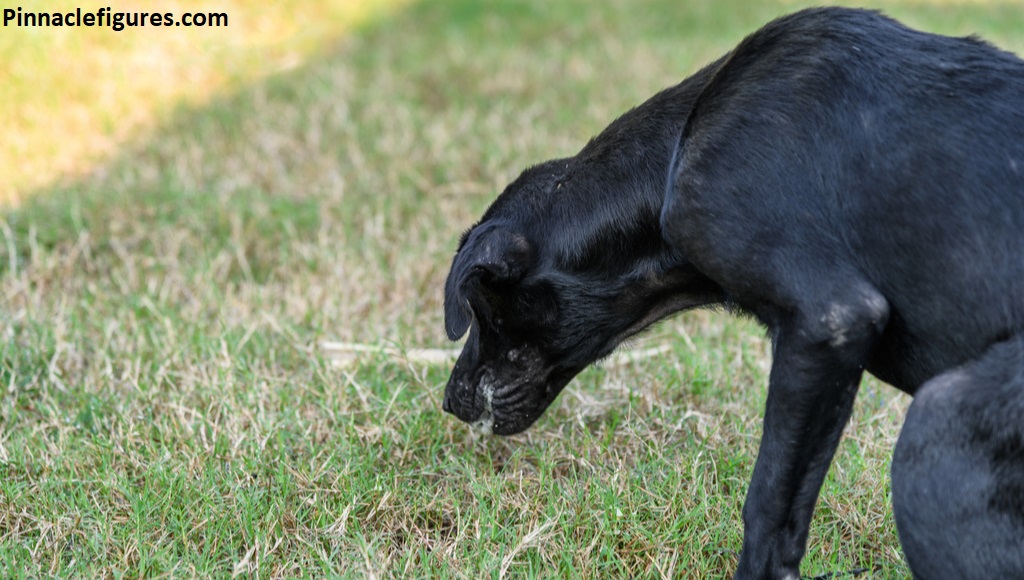
Not every vomit is a crisis. Once I learned the difference between regurgitation (food comes right back up, dog is fine), bilious vomiting (yellow foamy stuff, empty stomach, morning hours), and actual concerning vomiting (repeated, bloody, lethargic dog), I stopped spiraling.
The vet visit money is absolutely worth it when the signs are there. But learning to read the difference saves you a lot of midnight panic Googling.
What About Coprophagia? (Yes, the Poop-Eating Thing)
Since we’re already in deeply unglamorous territory — vomit-eating often gets lumped in with dogs eating feces, which is called coprophagia.
These are actually different behaviors with different roots. Vomit-eating is mostly instinctual and scavenger-based.
Poop-eating can be nutritional deficiency, boredom, stress, or learned behavior from living in crowded conditions.
If your dog is doing both, that’s worth a proper vet conversation to check for nutrient absorption issues or parasites.
A Quick Note on Puppies vs Adult Dogs
Puppies tend to vomit and re-eat more frequently because their digestive systems are still developing and they have zero impulse control around food.
Adult dogs who suddenly start doing this when they didn’t before — that’s worth paying attention to.
New behavior in an adult dog is more likely to signal a dietary issue, stress, or an underlying health thing than it would be in a puppy.
FAQ’s
Is it normal for dogs to eat their vomit?
Yes, completely normal. It’s an instinctive behavior inherited from their wild ancestors and doesn’t usually indicate anything is wrong.
Should I stop my dog from eating its vomit?
It’s a good idea to redirect them away, especially if the vomit contains something they shouldn’t re-ingest — like grass, foreign objects, or medication.
Does eating vomit make dogs sick again?
Usually not. Their stomachs are built for it. However, if the original vomiting was caused by something toxic or infectious, re-eating it can cause further irritation.
Why do dogs vomit in the first place?
Common reasons include eating too fast, eating grass, motion sickness, dietary changes, or an upset stomach. Frequent vomiting warrants a vet visit.
When should I be concerned about my dog’s vomiting?
If your dog vomits repeatedly, shows signs of pain, has blood in the vomit, or seems lethargic, see a vet promptly rather than assuming it’s routine.
Conclusion
Watching your dog eat its own vomit is undeniably gross — there’s no sugarcoating that. But once you understand the “why” behind it, it shifts from disturbing to just… very dog.
It’s instinctive, deeply wired, and goes back thousands of years to when wild canines needed to recover every calorie they could and protect their pack from the scent of vulnerability.
Modern dogs don’t need to do it for survival anymore, but the instinct didn’t get the memo. So they do it anyway, completely unbothered, while you stand there questioning your life choices.
The good news is that in most cases it’s harmless. A dog that occasionally vomits and re-eats it isn’t a dog in crisis — it’s just a dog being a dog.
Where it becomes worth paying attention is when the vomiting itself is frequent, forceful, or accompanied by other symptoms like lethargy, loss of appetite, or blood.
