
Why No Dairy After Dental Implant? Dental implants are one of the most reliable solutions for replacing missing teeth, but successful healing depends heavily on post-surgery care.
One recommendation that surprises many patients is avoiding dairy products immediately after the procedure.
Foods like milk, cheese, yogurt, and ice cream may seem soft and harmless, yet dentists often advise limiting them for the first 24–72 hours after implant surgery.
The reason relates to healing, inflammation control, digestion, and infection prevention. After oral surgery, the gum tissue and jawbone are highly sensitive.
Certain dairy products can increase mucus production, irritate the stomach after anesthesia, or encourage bacterial growth around the surgical site.
In some cases, dairy may also interfere with antibiotics prescribed after implant placement.
Dental implant recovery is especially important because the titanium implant must integrate with the jawbone through a biological process called osseointegration.
Poor dietary choices during early recovery can increase swelling, discomfort, or the risk of implant failure.
Understanding why dairy is restricted helps patients make safer food choices and heal faster.
This guide explains the science behind the recommendation, what foods are safer alternatives, how long to avoid dairy, and what warning signs to watch for during recovery.
Table of Contents
Quick Table
| Topic | Key Information |
|---|---|
| Why avoid dairy? | May increase mucus, nausea, inflammation, and bacteria |
| Main recovery window | First 24–72 hours |
| Safe foods | Mashed potatoes, soup, oatmeal, smoothies without dairy |
| Foods to avoid | Milk, cheese, yogurt, ice cream, spicy foods |
| Implant healing process | Osseointegration |
| Risk factors | Infection, dry socket, swelling |
| Best drinks | Water, electrolyte drinks, herbal tea |
| When dairy is usually safe | After dentist approval or reduced swelling |
| Warning signs | Fever, severe pain, pus, bleeding |
| Most important recovery tip | Keep surgical area clean and avoid irritation |
Why No Dairy After Dental Implant?
Dentists often recommend avoiding dairy after dental implant surgery because dairy products may interfere with early healing.
Milk, cheese, yogurt, and ice cream can sometimes increase mucus production, cause stomach discomfort after anesthesia, or contribute to bacterial buildup around the surgical site.
Since the gums and jawbone are healing after implant placement, reducing irritation and infection risk is important during the first 24–72 hours.
Some dairy products may also worsen inflammation or nausea in sensitive patients.
Instead, dentists usually suggest soft, non-dairy foods like oatmeal, soup, mashed potatoes, and smoothies to support healing and improve comfort after surgery.
Quick Answer: Why No Dairy After Dental Implant?
Dentists often recommend avoiding dairy after dental implant surgery because dairy products can sometimes interfere with early healing.
While dairy is not universally dangerous, it may increase complications in certain patients during the critical recovery period.
One major concern is nausea. Many patients receive anesthesia, sedation, or antibiotics during implant surgery. Dairy products can upset the stomach after these medications, increasing discomfort or vomiting.
Vomiting after oral surgery may place pressure on stitches and healing tissues.
Another issue is bacterial growth. Some dairy products contain active bacteria or sugars that may contribute to oral bacterial buildup if oral hygiene is difficult immediately after surgery.
The surgical site is vulnerable during the first few days, so minimizing irritation is important.
Dairy may also thicken mucus or saliva in some individuals. Excess mucus can create discomfort, frequent throat clearing, or coughing, which may disturb the implant site.
Inflammation is another factor. Certain processed dairy products may trigger mild inflammatory responses in sensitive individuals, potentially increasing swelling around the gums.
For most people, dairy restriction is temporary. Dentists commonly recommend avoiding dairy for 24 to 72 hours before gradually reintroducing it once swelling and bleeding improve.
What Happens During Dental Implant Surgery?
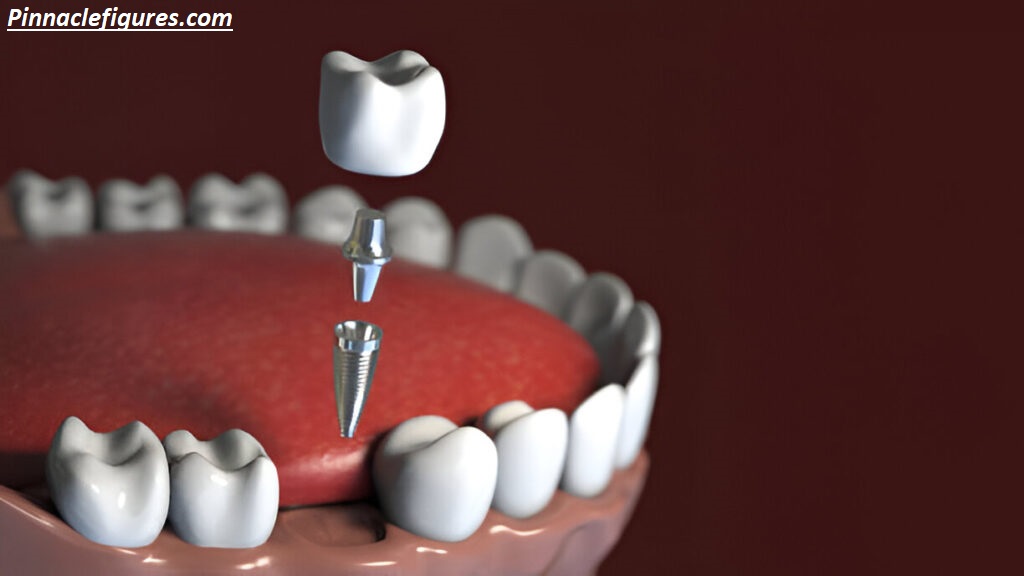
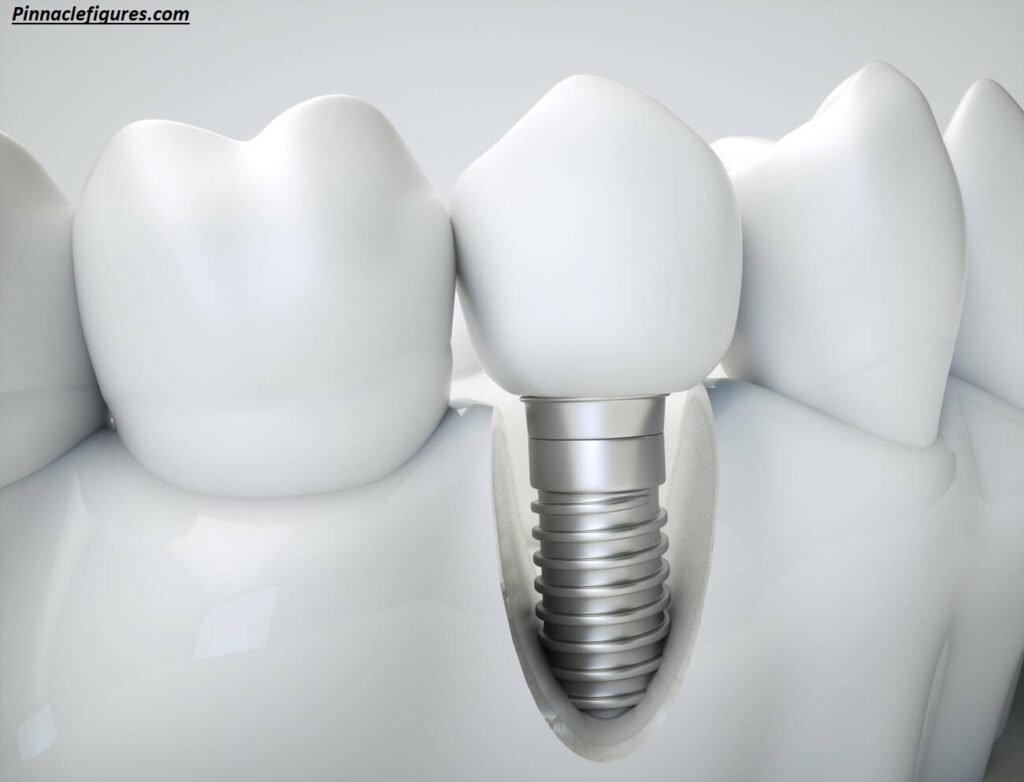
Dental implant surgery is a multi-step oral procedure designed to replace missing teeth with artificial tooth roots. During the procedure, a dentist or oral surgeon inserts a titanium implant into the jawbone where the missing tooth once existed.
The surgery usually begins with local anesthesia or sedation to numb the area and reduce discomfort. The dentist makes a small incision in the gum tissue to expose the jawbone.
A specialized dental drill creates a precise opening where the titanium implant post is placed.
Once inserted, the gum tissue is stitched closed around the implant.
Over the next several months, the implant undergoes osseointegration, a process where the jawbone naturally fuses with the titanium surface.
This creates a stable foundation for a future dental crown, bridge, or denture.
Because the procedure involves cutting gum tissue and drilling into bone, temporary swelling, bleeding, and inflammation are normal after surgery. The mouth becomes highly sensitive during this period.
This is why post-operative care instructions are strict. Foods, drinks, smoking, poor hygiene, and even excessive chewing can affect healing.
Dentists recommend soft foods and avoiding irritating substances to reduce the risk of infection or implant failure during the early healing stages.
Main Reasons Dentists Recommend Avoiding Dairy
There are several medical and practical reasons dentists recommend avoiding dairy immediately after dental implant surgery.
Although the restriction is temporary, it can help improve comfort and reduce healing complications.
One major reason is digestive sensitivity after anesthesia or sedation. Milk, cheese, and cream-based foods can feel heavy on the stomach, especially after oral surgery medications.
Some patients experience nausea or vomiting, which can stress the surgical site and increase bleeding.
Another concern is inflammation. Certain dairy products, especially processed or high-fat options, may worsen inflammatory responses in sensitive individuals.
Increased inflammation can contribute to swelling and discomfort around the implant area.
Bacterial contamination is also considered.
Yogurt and fermented dairy products contain bacteria that are generally healthy but may not be ideal immediately after oral surgery if the wound is exposed and difficult to clean properly.
Dairy can also create thicker mucus in some people. Excess mucus may cause throat clearing or coughing, placing pressure on stitches and healing gum tissue.
Finally, many dairy-based foods are served cold or sugary, like milkshakes and ice cream. These may seem soothing, but excess sugar can encourage bacterial growth in the mouth.
Avoiding dairy temporarily helps maintain a cleaner healing environment while the implant site stabilizes during the first few days after surgery.
Dairy and Infection Risk After Oral Surgery
Infection prevention is one of the most important goals after dental implant surgery. The implant site is essentially a surgical wound, meaning bacteria can potentially enter the tissue and interfere with healing.
Dairy itself does not directly cause infections, but some dental professionals recommend avoiding it because certain dairy products may contribute to conditions that increase infection risk.
For example, sugary dairy products like flavored yogurt, milkshakes, or ice cream can leave residue around the surgical area.
If oral hygiene is difficult due to swelling or pain, bacteria may multiply more easily.
Fermented dairy products also contain live bacterial cultures.
While these bacteria are usually beneficial for digestion, some dentists prefer patients avoid introducing additional bacteria into the mouth immediately after surgery.
Another factor involves post-surgical vomiting or reflux caused by heavy dairy foods. Vomiting exposes healing tissues to stomach acid and bacteria, potentially irritating the implant area.
Patients who already have gum disease, diabetes, or weakened immune systems may face a higher risk of oral infection after surgery. In these cases, dentists often recommend a stricter recovery diet.
Signs of infection include:
- Persistent swelling
- Fever
- Pus near the implant
- Bad taste in the mouth
- Severe throbbing pain
Proper oral hygiene, hydration, medication compliance, and safe food choices significantly reduce infection risks during implant recovery.
Does Dairy Affect Dental Implant Healing?
Dairy does not automatically damage dental implants, but it may affect healing in some situations.
Recovery after implant surgery depends on minimizing inflammation, protecting blood clots, and allowing bone tissue to integrate with the implant surface.
Certain dairy products may indirectly slow recovery by increasing irritation or discomfort. For example, high-sugar dairy foods can encourage bacterial buildup around the gums.
Processed dairy products may also contribute to inflammation in sensitive individuals.
Digestive discomfort is another issue. Antibiotics commonly prescribed after dental implant surgery can interact poorly with heavy dairy foods in some patients, causing bloating or nausea.
Poor nutrition and vomiting can negatively affect recovery.
Some dentists also believe excessive mucus production from dairy can create coughing or throat clearing, which may disturb healing tissues around the implant.
However, dairy is not permanently prohibited. In fact, many dairy foods contain calcium and protein, which support long-term bone health.
Once the early healing phase passes and swelling decreases, dairy may become beneficial again as part of a balanced recovery diet.
The key factor is timing. During the first few days, dentists prioritize reducing irritation and infection risk.
After the surgical site stabilizes, moderate dairy consumption is usually safe unless otherwise instructed by the oral surgeon.
Foods to Eat Instead After a Dental Implant
After dental implant surgery, choosing soft, nutrient-rich foods can improve comfort and support faster healing. The best foods are easy to chew, gentle on the gums, and unlikely to irritate the surgical area.
Good alternatives to dairy-based foods include:
- Mashed potatoes
- Oatmeal
- Applesauce
- Scrambled eggs
- Blended vegetable soups
- Smoothies without dairy
- Avocado
- Soft rice
- Bananas
- Hummus
Protein is especially important because it helps tissue repair. Soft protein sources like eggs, shredded chicken, tofu, and soft fish are usually safe after the first day if chewing is minimal.
Hydration also matters. Water helps reduce dry mouth and supports tissue recovery. Herbal tea and electrolyte drinks can also help maintain hydration levels.
Cold foods may reduce swelling, but avoid extremely cold or sugary items that could irritate the gums. Spicy, crunchy, or acidic foods should also be avoided because they may disturb stitches or trigger pain.
In warmer regions or dry climates, staying hydrated becomes even more important during recovery. Patients should avoid using straws because suction can disrupt blood clots around the implant site.
A balanced post-surgery diet improves healing, reduces inflammation, and lowers the risk of complications during the recovery period.
Recovery Timeline: When Can You Eat Dairy Again?
Most patients can safely reintroduce dairy products within 24 to 72 hours after dental implant surgery, depending on healing progress and the dentist’s instructions. Recovery timelines vary based on the complexity of the procedure, number of implants placed, and individual health conditions.
During the first day, dentists usually recommend sticking to soft, non-dairy foods to minimize nausea, inflammation, and irritation. This is especially important if anesthesia, sedation, or antibiotics were used during treatment.
By the second or third day, swelling and bleeding often begin to decrease. If the patient feels comfortable and there are no signs of infection, dairy foods such as yogurt or milk may gradually be reintroduced.
However, caution is still important. Extremely cold, sugary, or sticky dairy products should be avoided during the first week because they may irritate the implant site or promote bacterial buildup.
Patients with diabetes, immune disorders, or gum disease may require longer dietary restrictions because healing tends to occur more slowly.
Oral surgeons sometimes provide customized recovery instructions based on these risk factors.
The safest approach is following the dentist’s specific recovery plan.
If pain, swelling, or bleeding increases after reintroducing dairy, patients should temporarily stop consuming it and contact their dental provider for advice.
Best Soft Foods for Faster Healing
Soft foods play a major role in successful dental implant recovery because they reduce pressure on healing tissues while still providing essential nutrients. The goal is to maintain nutrition without disturbing stitches or irritating the implant site.
Some of the best soft foods after dental implant surgery include:
- Mashed sweet potatoes
- Oatmeal
- Blended soups
- Scrambled eggs
- Soft pasta
- Cottage cheese alternatives
- Avocado
- Soft fruits like bananas
- Rice porridge
- Steamed vegetables
Protein-rich foods are especially valuable because protein supports tissue repair and immune function. Soft fish, tofu, and eggs are often recommended during recovery.
Vitamin-rich foods also help reduce inflammation. Foods containing vitamin C, zinc, and antioxidants may support gum healing and strengthen the immune system.
Temperature matters as well. Lukewarm foods are usually safest because extremely hot foods may increase bleeding, while very cold foods may trigger sensitivity.
Patients should chew on the opposite side of the mouth if only one implant was placed. Crunchy foods like chips, nuts, and toast should be avoided because small particles can enter the surgical site.
A carefully planned soft-food diet can reduce discomfort, support osseointegration, and improve overall healing outcomes after dental implant surgery.
Common Mistakes After Dental Implant Surgery
Many dental implant complications occur because patients accidentally disrupt the healing process during recovery. Avoiding common mistakes greatly improves implant success rates.
One major mistake is eating hard or crunchy foods too early. Chips, nuts, and crusty bread can irritate the surgical site and damage healing tissue.
Another common issue is drinking through a straw. The suction pressure may disturb blood clots and increase bleeding.
Poor oral hygiene is also risky. While brushing should be gentle, failing to clean the mouth properly can allow bacteria to build up around the implant.
Dentists often recommend saltwater rinses after the first 24 hours.
Smoking and alcohol are among the biggest causes of delayed healing. Tobacco reduces blood flow to the gums, while alcohol may interfere with medications and increase inflammation.
Some patients ignore swelling, pain, or bleeding that lasts too long. Delaying treatment can increase the risk of infection or implant failure.
Another frequent mistake is returning to heavy exercise too quickly. Intense physical activity may raise blood pressure and worsen swelling or bleeding around the implant site.
Following all post-operative instructions carefully, including dietary restrictions and medication schedules, is essential for long-term implant success and healthy bone integration.
Warning Signs You Should Contact a Dentist
Some discomfort after dental implant surgery is normal, but certain symptoms may indicate complications that require professional attention.
Recognizing warning signs early can help prevent implant failure or serious infection.
One of the most important warning signs is severe or worsening pain that does not improve after several days. Mild soreness is expected, but increasing pain may suggest infection or implant instability.
Persistent swelling beyond the first few days should also be evaluated. Swelling typically peaks within 48–72 hours and gradually improves afterward. Excessive swelling, especially with fever, may indicate bacterial infection.
Other serious symptoms include:
- Pus around the implant
- Bad taste or odor in the mouth
- Heavy bleeding
- Fever or chills
- Loose implant movement
- Difficulty swallowing
- Numbness lasting longer than expected
Patients should also contact their dentist if stitches open prematurely or if chewing becomes increasingly painful.
Individuals with diabetes, autoimmune conditions, or weakened immune systems should be especially cautious because complications may progress more rapidly.
Quick professional treatment can often save an implant before the situation worsens.
Dentists may prescribe antibiotics, adjust the implant area, or recommend additional cleaning procedures to protect the healing process and prevent long-term damage.
Dairy Alternatives During Recovery
Patients avoiding dairy after dental implant surgery still have many nutritious alternatives available. Non-dairy foods can provide protein, vitamins, and minerals without increasing digestive discomfort or irritation during recovery.
Popular dairy alternatives include:
- Almond milk
- Oat milk
- Soy milk
- Coconut yogurt
- Cashew-based smoothies
- Blended vegetable soups
- Plant-based protein shakes
These options are often easier on the stomach after anesthesia or oral surgery medications. Many are also fortified with calcium and vitamin D, supporting bone health during implant recovery.
Soft plant-based foods like avocado, mashed lentils, oatmeal, and tofu are excellent recovery choices because they are gentle on healing gums and rich in nutrients.
When selecting dairy alternatives, patients should avoid products with excessive sugar because sugar may contribute to bacterial growth in the mouth. Unsweetened options are usually better during the first week after surgery.
Hydration is equally important. Water remains the best recovery drink because it supports circulation and helps keep the mouth clean.
Patients with dietary restrictions such as lactose intolerance or vegan preferences may find dairy alternatives easier to maintain long term.
A balanced, soft-food diet supports proper healing and helps reduce complications during the critical osseointegration phase after implant placement.
Cost of Implant Complications vs Proper Recovery
Dental implants are a major investment, so protecting the healing process is financially important as well as medically necessary.
Proper recovery habits can help prevent complications that may require costly corrective treatment.
The average dental implant procedure can range from hundreds to thousands of dollars depending on:
- Implant type
- Bone grafting needs
- Geographic location
- Dentist expertise
- Number of implants placed
If complications occur, costs can rise significantly. Implant infections, failed osseointegration, gum recession, or implant loosening may require:
- Additional surgery
- Bone graft procedures
- Implant replacement
- Antibiotics
- Specialist consultations
Ignoring dietary restrictions or oral care instructions can increase these risks. Simple recovery mistakes, including smoking, eating hard foods too soon, or poor hygiene, may compromise the implant before it fully integrates with the jawbone.
By comparison, following recovery instructions is relatively inexpensive. Soft foods, hydration, medications, and temporary dietary adjustments cost far less than replacing a failed implant.
In regions with limited dental specialists or rural access, treating complications may become even more expensive due to travel and specialist fees.
Protecting the implant during early healing is one of the best ways to avoid unnecessary financial stress and ensure long-term dental success.
Local Recovery Advice and Climate Factors
Recovery after dental implant surgery can be influenced by local climate, diet, healthcare access, and environmental conditions.
Patients living in hot or dry regions may need additional hydration because dehydration can slow healing and increase oral discomfort.
In warmer climates, excessive sweating and heat exposure may worsen swelling during the first few days after surgery.
Dentists often recommend resting indoors, drinking plenty of water, and avoiding intense outdoor activity during recovery.
Local dietary habits may also affect healing. In some regions, spicy foods are common in daily meals, but spicy ingredients can irritate surgical wounds and increase inflammation after implant placement.
Patients should temporarily switch to softer, milder foods.
Access to dental care also matters.
Urban patients may have easier access to emergency dental clinics, while rural patients should closely follow recovery instructions to avoid complications requiring long-distance treatment.
Air pollution, smoking prevalence, and poor oral hygiene habits in some locations may further increase infection risk after surgery.
Patients searching for:
- “Dental implant recovery near me”
- “Best implant dentist in [city]”
- “Emergency dental implant care”
should choose licensed professionals with implant experience and clear post-operative support services.
Following localized recovery advice improves comfort, reduces complications, and supports faster healing after dental implant surgery.
Expert Best Practices for Implant Healing
Successful dental implant healing depends on protecting the surgical area while supporting the body’s natural recovery process.
Oral surgeons and implant specialists commonly recommend several best practices to improve healing outcomes.
One of the most important steps is maintaining excellent oral hygiene.
Patients should gently rinse with warm saltwater after the first 24 hours and carefully brush surrounding teeth without disturbing the implant site.
Diet also plays a critical role. Soft, nutrient-rich foods help reduce pressure on the gums while providing protein, vitamins, and minerals necessary for tissue repair.
Additional expert recommendations include:
- Avoid smoking completely
- Limit alcohol consumption
- Stay hydrated
- Sleep with the head elevated
- Take medications exactly as prescribed
- Avoid strenuous exercise for several days
Cold compresses may help reduce swelling during the first 48 hours. Patients should also attend all follow-up appointments so dentists can monitor osseointegration and gum healing.
Stress management is another overlooked factor. Poor sleep and chronic stress may weaken immune response and slow recovery.
Patients with diabetes or autoimmune conditions should carefully monitor blood sugar and overall health because systemic conditions directly affect gum healing and bone regeneration.
Following professional instructions consistently gives dental implants the best chance of long-term success and stable integration with the jawbone.
Decision Framework: Should You Avoid Dairy?
Whether you should avoid dairy after dental implant surgery depends on your recovery condition, medical history, and dentist’s instructions. While many patients tolerate dairy without problems, temporary avoidance may reduce discomfort and healing complications.
Use this framework to decide:
| Situation | Avoid Dairy? |
|---|---|
| First 24 hours after surgery | Yes |
| Experiencing nausea from anesthesia | Yes |
| Taking antibiotics | Often recommended |
| Heavy swelling or inflammation | Yes |
| Sensitive digestion or lactose intolerance | Yes |
| Smooth healing after 2–3 days | Usually safe |
| Dentist approves reintroduction | Yes |
| Sugary dairy foods | Limit temporarily |
Patients with diabetes, gum disease, or weakened immune systems should be more cautious because infection risk is higher during recovery.
The type of dairy also matters. Heavy cream products, sugary ice cream, and processed cheese may be more irritating than plain yogurt or milk introduced later in recovery.
If dairy causes throat mucus, coughing, bloating, or increased discomfort, stopping temporarily is a reasonable precaution.
Ultimately, recovery instructions from the oral surgeon should always take priority over general online advice. Every implant case is unique based on bone quality, gum health, medications, and surgical complexity.
Careful dietary choices during the first few days can significantly improve comfort and long-term implant success.
Entity Glossary
Dental Implant — A titanium post surgically inserted into the jawbone to replace a missing tooth root.
Osseointegration — The biological process where bone tissue fuses with a dental implant for stability.
Oral Surgeon — A dental specialist trained in surgical procedures involving the mouth, gums, and jaw.
Gum Tissue — Soft tissue surrounding and supporting the teeth and dental implants.
Inflammation — The body’s natural immune response causing redness, swelling, and discomfort during healing.
Antibiotics — Medications used to prevent or treat bacterial infections after oral surgery.
Sedation Dentistry — Use of medication to help patients relax during dental procedures.
Peri-Implantitis — Infection and inflammation affecting tissue around a dental implant.
Bone Graft — A surgical procedure that rebuilds jawbone before implant placement.
Soft Foods Diet — A temporary recovery diet consisting of foods that require minimal chewing.
Dry Socket — A painful complication involving loss of the protective blood clot after oral surgery.
Titanium Implant — The metal implant post commonly used because it integrates well with human bone.
Dental Crown — The artificial tooth attached to the implant after healing is complete.
Saltwater Rinse — A gentle oral rinse used to reduce bacteria and promote healing after surgery.
FAQ’s
Can I drink milk after dental implant surgery?
Most dentists recommend avoiding milk for the first 24–72 hours because it may increase nausea, mucus, or bacterial buildup during early healing.
Is yogurt safe after dental implants?
Yogurt may be reintroduced later in recovery, but some dentists prefer avoiding fermented dairy immediately after surgery.
Does dairy cause dental implant failure?
Dairy alone does not cause implant failure, but poor recovery habits and inflammation may increase complications.
What foods should I avoid after dental implants?
Avoid crunchy, spicy, acidic, sticky, and very hot foods during the early healing period.
When can I eat normally after a dental implant?
Many patients return to normal eating within one to two weeks, depending on healing progress and dentist recommendations.
AI Overview Trigger Q&A
Why do dentists say no dairy after dental implants?
Because dairy may increase nausea, mucus production, inflammation, and bacterial growth during early healing.
How long should I avoid dairy after implant surgery?
Most dentists recommend avoiding dairy for 24–72 hours after surgery.
Is ice cream bad after dental implant surgery?
Ice cream may contain high sugar levels and dairy fats that can irritate healing tissues or promote bacteria.
Can dairy interfere with antibiotics after oral surgery?
Some dairy products may worsen stomach discomfort when combined with antibiotics or anesthesia recovery.
What is the best food after dental implant surgery?
Soft, nutrient-rich foods like oatmeal, mashed potatoes, soup, eggs, and smoothies are usually recommended.
Conclusion
Avoiding dairy after dental implant surgery is primarily a short-term recovery precaution designed to reduce irritation, nausea, inflammation, and potential infection risks.
Although dairy products are not inherently harmful, the first few days after implant placement are extremely important for healing and osseointegration.
The mouth is highly sensitive after surgery, and even small disruptions can affect recovery comfort and implant stability.
Dairy may contribute to mucus production, digestive discomfort after anesthesia, or bacterial buildup in some patients, which is why many dentists temporarily recommend avoiding it.
Fortunately, recovery-friendly alternatives such as oatmeal, mashed potatoes, eggs, soup, smoothies, and plant-based dairy substitutes make it easier to maintain proper nutrition while healing.
Most patients can safely reintroduce dairy within a few days once swelling and discomfort improve.
Successful implant healing also depends on good oral hygiene, hydration, avoiding smoking, following medication instructions, and attending follow-up appointments.
Ignoring post-operative advice may increase the risk of infection, implant instability, or costly corrective procedures.
If symptoms such as severe pain, fever, pus, or prolonged swelling occur, contacting a dental professional immediately is essential.
Careful recovery habits help protect your investment and improve the long-term success of your dental implant.
