
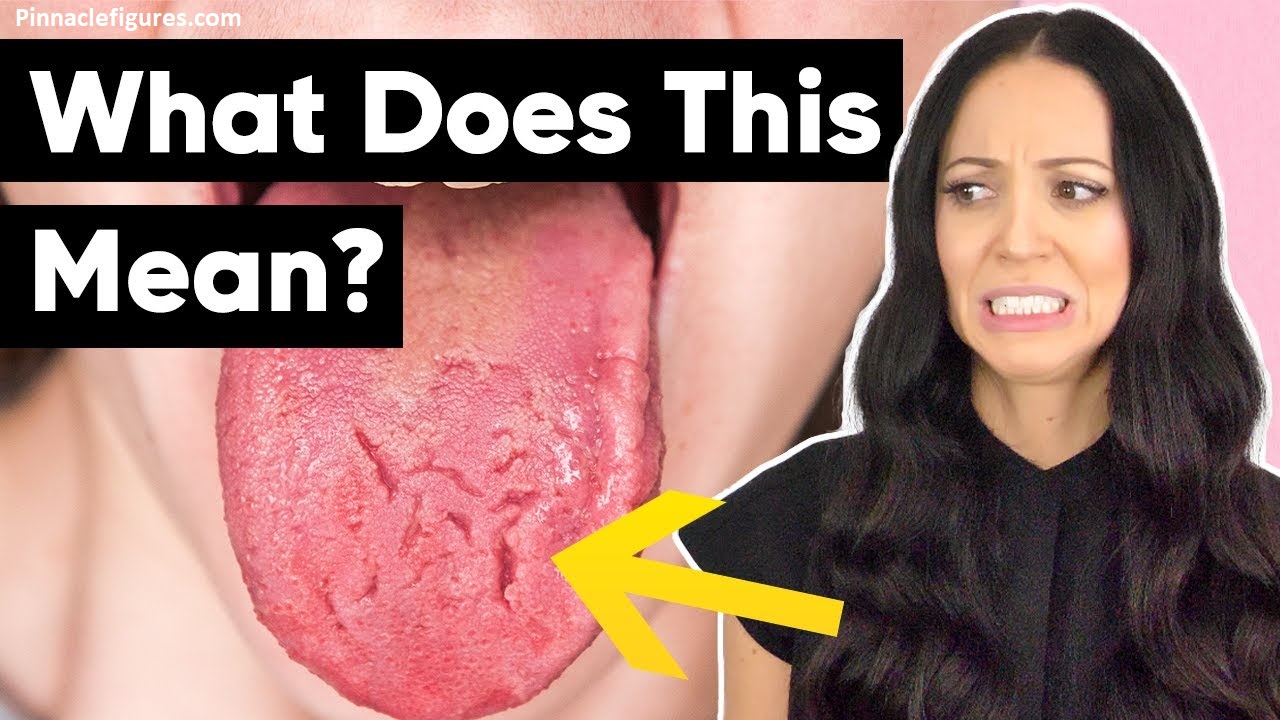
Why Is My Tongue Cracked? A cracked or fissured tongue is a very common and usually harmless condition that many people experience at some point in their lives.
In most cases, it is simply a genetic trait that runs in families, meaning some people are naturally born with deeper grooves on the tongue’s surface.
Dehydration is another frequent cause, as not drinking enough water dries out the mouth and tongue over time.
Nutritional deficiencies, particularly low levels of B vitamins, iron, or folic acid, can also lead to fissuring.
Some people develop it due to conditions like geographic tongue or dry mouth, which is often triggered by certain medications or habitual mouth breathing.
While a cracked tongue is rarely a serious concern, you should consult a doctor if it is accompanied by pain, swelling, or persistent sores.
Table of Contents
Quick Table
| Cause | Details |
|---|---|
| Genetics | Natural trait, often runs in families |
| Dehydration | Lack of water dries out the tongue |
| Nutritional Deficiency | Low B vitamins, iron, or folic acid |
| Geographic Tongue | Benign condition causing patches and grooves |
| Dry Mouth | Caused by medications or mouth breathing |
| Aging | Fissures naturally deepen with age |
| See a Doctor If… | Pain, swelling, or sores are present |
Why Is My Tongue Cracked
I remember standing in the bathroom one morning, brushing my teeth, when I caught a glimpse of my tongue in the mirror and genuinely panicked.
It looked like a dried-up riverbed — deep grooves running across it, smaller cracks branching off like little tributaries. I hadn’t been sick. I wasn’t in any pain.
But the sight of it was alarming enough that I spent the next 30 minutes down a rabbit hole of health forums and dentistry websites.
Turns out, I was far from alone. A cracked or fissured tongue is something millions of people have — and most of them have no idea what caused it or whether it’s something to worry about.
So let me break it down the way I wish someone had explained it to me.
First, What Does a “Cracked Tongue” Actually Look Like?
The medical term is fissured tongue (sometimes called scrotal tongue — yes, really). It shows up as grooves, furrows, or fissures on the top surface of the tongue.
They can be shallow or deep, running down the middle or spreading across the whole tongue. Some people have one main crack; others look like their tongue has a full map drawn on it.
The important thing I learned early on: fissured tongue by itself is usually not a disease. It’s more of a physical trait — like having a bigger nose or narrower eyes.
But sometimes it is a sign that something else is going on, and that’s where things get interesting.
The Most Common Reasons Your Tongue Is Cracked
You Were Born That Way (Genetics)
I called my mom after noticing my tongue, and — surprise — she had the same thing. Fissured tongue runs in families. If one of your parents has it, there’s a decent chance you do too.
It often becomes more pronounced as you age, which is why you might notice it more now even if it was always there.
This type is completely harmless and doesn’t need treatment.
You’re Chronically Dehydrated
This one caught me off guard. I thought I was drinking enough water, but I was chugging coffee all morning and maybe having one glass of water all day.
Chronic mild dehydration can cause the tongue’s surface to dry out and develop cracks over time.
The fix sounds boring because it is: drink more water. But actually tracking it with an app like WaterMinder or even just keeping a 32oz water bottle on your desk made a huge difference for me within a few weeks.

Geographic Tongue (It’s More Common Than You Think)
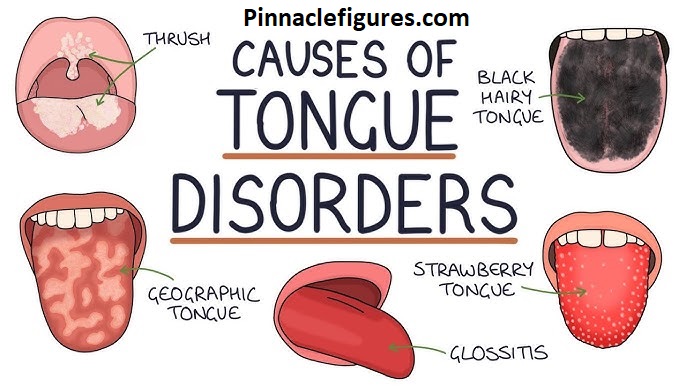
Geographic tongue sounds exotic, but it basically means your tongue has smooth, red patches surrounded by slightly raised white borders — almost like a map.
These patches move around over days or weeks. People with geographic tongue often also develop fissures.
Nobody fully understands why geographic tongue happens. It’s not contagious. It’s not cancerous. Some people find certain foods (citrus, spicy stuff, tomatoes) make it flare up or feel sore.
A dentist can diagnose it just by looking.
Nutritional Deficiencies
This one deserves more attention than it usually gets. Deficiencies in:
- B12 — extremely common, especially in vegetarians and vegans
- Iron — low iron can affect tongue texture and color
- Zinc — a deficiency here can affect taste and tongue health
- Folate (B9) — another one linked to changes in mouth tissue
…can all contribute to a fissured or sore tongue.
I had my blood work done after noticing my cracked tongue, and my B12 was low-normal — technically “in range” but on the floor.
My doctor suggested supplementing, and within two months the fissures had softened noticeably.
If you haven’t had a basic blood panel recently, this is a good excuse to get one.
Dry Mouth (Xerostomia)
Saliva does a lot of work we take for granted — it keeps tissues moist, buffers acids, and prevents bacteria buildup. When you don’t produce enough, the tongue dries out and cracks.
Common causes of dry mouth include:
- Antihistamines (Benadryl, Claritin, Zyrtec — yes, all of them)
- Antidepressants
- Blood pressure medications
- Sleeping with your mouth open
- Anxiety and stress (which reduces saliva production)
- Alcohol and caffeine
If you’re on any medications and notice your mouth feels perpetually dry, talk to your prescribing doctor. Sometimes switching to a different formulation or timing makes a difference.
Sjögren’s Syndrome
This is less common but worth mentioning — Sjögren’s is an autoimmune condition where the immune system attacks moisture-producing glands.
Dry mouth and dry eyes are the hallmarks. A fissured tongue can be one of the visible signs.
If you also have chronically dry eyes, joint pain, or fatigue, it’s worth mentioning to a rheumatologist. Sjögren’s often goes undiagnosed for years.
Melkersson-Rosenthal Syndrome
Rare, but it’s a real condition where facial swelling, facial palsy, and a fissured tongue form a triad of symptoms.
Most people with fissured tongue don’t have this — but if you’ve ever had unexplained facial swelling or nerve issues alongside your tongue changes, bring it up with a neurologist.
8. Down Syndrome
People with Down syndrome frequently have fissured tongue as a physical characteristic. It’s not a complication or a problem — just something that appears more commonly in this population.
Is a Cracked Tongue Dangerous?
For the vast majority of people: no. Fissured tongue itself is benign.
The main risk is that food debris, bacteria, and yeast can get trapped in the grooves if you’re not careful — and that can lead to bad breath, mild soreness, or in rarer cases, a yeast overgrowth (oral thrush).
But here’s what I didn’t know: you should actually brush your tongue, not just scrape it. A soft toothbrush gets into those grooves better than a flat scraper.
I started doing this every morning and noticed my breath improved and the soreness I occasionally felt went away.
When Should You Actually See a Doctor?
See a dentist or doctor if your cracked tongue is accompanied by:
- Pain or burning that doesn’t go away
- Swelling of the tongue or face
- White patches that don’t wipe off (could be oral thrush or leukoplakia)
- Difficulty swallowing or moving your tongue
- A new crack or change that appeared suddenly after starting a medication
- Sores that last more than two weeks
A standard dentist visit is usually enough for a first opinion. They can rule out more serious causes and refer you to a specialist if needed.
Practical Steps You Can Take Right Now
Here’s what actually helped me:
Hydrate properly. Aim for at least 8 glasses of water a day. If you’re a heavy coffee or tea drinker, add an extra glass for each cup.
Brush your tongue, not just your teeth. Use a soft-bristled toothbrush and gently brush the surface of your tongue in small circular motions. Do this twice a day.
Get a blood panel. Ask your doctor to check B12, iron, folate, and zinc at minimum. You might be surprised what’s low.
Check your medications. If you’re on antihistamines, antidepressants, or blood pressure meds, look up “dry mouth” as a side effect. Talk to your doctor about alternatives or adding saliva-stimulating products like Biotène mouthwash or ACT Dry Mouth lozenges.
Watch your diet. Keep a quick food diary for a week and see if you notice any correlation between certain foods and soreness or irritation. Many people with geographic tongue find citrus and spicy foods make symptoms worse.
Book a dentist appointment if you haven’t in over a year. A good dentist will catch things your mirror won’t.

Mistakes I Made
- Ignoring it for too long. I noticed the cracks and told myself it was nothing for months before actually looking into it. Turned out my B12 deficiency was affecting more than just my tongue.
- Over-scraping. I bought a tongue scraper and went at it aggressively, thinking I was cleaning out the grooves. Wrong. I was irritating the tissue. Gentle brushing is better.
- Drinking too much acidic stuff. I was drinking lemon water every morning, thinking it was healthy. For someone with geographic tongue and fissures, that’s basically pouring acid on an open wound. Switched to plain water in the mornings, and the occasional soreness went away.
- Googling “cracked tongue cancer.” Please don’t do this. A cracked tongue is almost never cancer. Oral cancer looks very different — usually an ulcer or lump that doesn’t heal, not symmetrical fissures.
FAQ’s
Is a cracked tongue dangerous?
No, in most cases a cracked tongue is completely harmless and requires no treatment.
Can a cracked tongue be cured?
There is no specific cure, but staying hydrated and maintaining good oral hygiene can reduce symptoms significantly.
Does a cracked tongue cause bad breath?
Yes, food particles can get trapped in the fissures, leading to bacteria buildup and bad breath if the tongue is not cleaned properly.
Is a cracked tongue a sign of a vitamin deficiency?
It can be. Low levels of B vitamins, iron, or folic acid are commonly linked to tongue fissuring.
When should I see a doctor about my cracked tongue?
You should seek medical advice if you experience pain, swelling, burning sensation, or visible sores alongside the cracks.
Conclusion
A cracked or fissured tongue may look concerning at first glance, but it is one of the most common and benign oral conditions a person can have.
Millions of people around the world live with a fissured tongue their entire lives without ever experiencing any discomfort or complications.
In the majority of cases, it is simply a natural characteristic influenced by genetics, age, or lifestyle habits such as inadequate hydration.
That said, it is always wise to pay attention to what your body is telling you.
If your cracked tongue is accompanied by pain, swelling, a burning sensation, or unusual sores, it could be pointing to an underlying health issue such as a nutritional deficiency, an allergic reaction, or an inflammatory condition that deserves proper medical attention.
The good news is that simple daily habits can go a long way in managing the condition.
Drinking plenty of water, eating a balanced diet rich in essential vitamins and minerals, practicing good oral hygiene, and gently cleaning the tongue regularly can all help minimize discomfort and prevent bacteria from accumulating in the grooves.
Overall, a cracked tongue is rarely something to worry about, but staying informed and proactive about your oral health is always the best approach.
