
Why Is Diversity Important? Diversity is a powerful concept that shapes how societies, organizations, and individuals grow and interact.
At its core, diversity refers to the presence of differences—whether cultural, social, biological, or intellectual—within a group or environment.
These differences can include race, gender, age, religion, language, education, and life experiences.
In today’s interconnected world, diversity is no longer optional; it is essential for progress and sustainability.
As globalization increases, people from different backgrounds are working, learning, and living together more than ever before.
This creates both opportunities and challenges. When managed effectively, diversity can lead to better decision-making, stronger relationships, and greater innovation.
However, without understanding and inclusion, it may also lead to misunderstandings or conflict.
Table of Contents
Quick Table
| Aspect | Description | Example | Impact |
|---|---|---|---|
| Cultural Diversity | Differences in traditions, language | Multinational teams | Broader perspectives |
| Gender Diversity | Inclusion of all genders | Equal hiring practices | Better balance |
| Age Diversity | Variety in age groups | Mixed-age workforce | Knowledge sharing |
| Educational Diversity | Different learning backgrounds | Cross-disciplinary teams | Creative solutions |
| Ethnic Diversity | Variety in ethnic groups | Global communities | Cultural awareness |
| Cognitive Diversity | Different thinking styles | Problem-solving teams | Innovation boost |
What Is Diversity?
Diversity refers to the inclusion of individuals from a wide range of backgrounds, identities, and perspectives.
It goes beyond visible traits like race or gender and includes invisible factors such as beliefs, experiences, and values.
Diversity is often discussed in workplaces, education systems, and communities, where varied perspectives can influence outcomes.
At a deeper level, diversity is about recognizing that no two individuals are the same. Each person brings unique insights shaped by their upbringing, culture, and personal journey.
This uniqueness contributes to a richer and more dynamic environment.
In academic fields like Sociology and Organizational Behavior, diversity is studied to understand how different groups interact and perform together.
These studies show that diverse groups often outperform homogeneous ones when inclusion is properly managed.
However, diversity alone is not enough. It must be paired with inclusion—the practice of ensuring that all individuals feel valued and have equal opportunities to contribute. Without inclusion, diversity may lead to division rather than collaboration.
In simple terms, diversity is about “who is in the room,” while inclusion is about “who is heard.” Together, they form the foundation of equitable and effective systems.
Why Diversity Matters
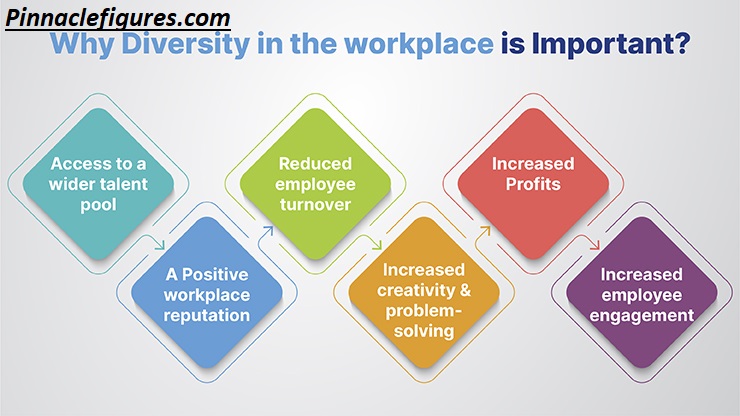
Diversity matters because it enhances the quality of decisions, relationships, and outcomes across all areas of life.
When people with different perspectives come together, they challenge assumptions and introduce new ways of thinking. This leads to more balanced and informed decisions.
In the workplace, diverse teams are better equipped to understand a global customer base. They can identify opportunities and risks that others might overlook.
Research from organizations like McKinsey & Company shows that companies with higher diversity levels often perform better financially.
Diversity also promotes social cohesion by encouraging understanding and respect among different groups. It reduces stereotypes and biases by exposing individuals to new perspectives.
In education, diversity prepares students for real-world interactions. It fosters critical thinking and empathy, helping learners become more adaptable and open-minded.
From an economic standpoint, diversity drives growth by unlocking the full potential of a population. When barriers to participation are removed, more people can contribute to innovation and productivity.
Ultimately, diversity matters because it reflects the reality of the world we live in. Embracing it leads to stronger, more resilient communities and organizations.
Types of Diversity
Diversity can be categorized into several types, each contributing to the richness of a group or environment. Understanding these types helps in creating more inclusive systems.
Demographic diversity includes characteristics such as age, gender, race, and ethnicity. These are often the most visible forms of diversity.
Cultural diversity refers to differences in traditions, languages, and values. It plays a significant role in shaping communication and behavior.
Cognitive diversity involves different ways of thinking and problem-solving. This type is particularly valuable in innovation and decision-making.
Educational diversity includes varying levels of education, skills, and expertise. It brings different approaches to learning and problem-solving.
Experiential diversity refers to differences in life experiences, such as travel, career paths, and personal challenges.
Fields like Psychology highlight how these diverse factors influence behavior and interactions.
Each type of diversity adds a unique layer of perspective, making groups more dynamic and capable of handling complex challenges.
Benefits of Diversity in Different Contexts
Diversity offers significant benefits across various contexts, including workplaces, education, and communities. In organizations, it leads to better decision-making by incorporating multiple viewpoints. Teams with diverse members are more likely to identify creative solutions and avoid groupthink.
In education, diversity enhances learning experiences by exposing students to different cultures and ideas. This prepares them for global interactions and improves critical thinking skills.
In communities, diversity fosters social harmony by promoting understanding and cooperation among different groups. It helps reduce prejudice and builds stronger relationships.
In business, companies that embrace diversity can better serve a global market. They understand customer needs more effectively and can adapt to changing trends.
According to Harvard Business Review, diverse teams are more innovative and perform better in complex problem-solving tasks.
Overall, diversity strengthens systems by making them more adaptable, inclusive, and resilient.
How Diversity Drives Innovation
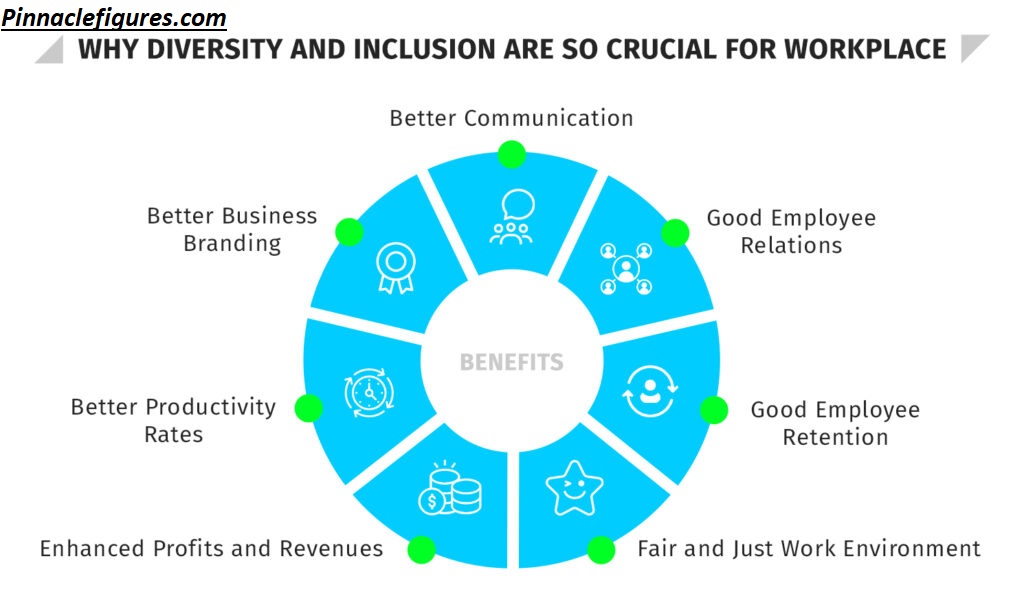
Diversity is a key driver of innovation because it brings together different perspectives and ideas. When individuals with varied backgrounds collaborate, they challenge each other’s assumptions and explore new possibilities.
Innovation thrives in environments where people feel comfortable sharing unique ideas. Diverse teams are more likely to experiment and take risks, leading to breakthroughs.
Cognitive diversity, in particular, plays a crucial role in innovation. Different thinking styles lead to creative problem-solving and more effective solutions.
Organizations like Google emphasize diversity to foster innovation and maintain competitive advantage.
By combining different viewpoints, diverse teams can approach problems from multiple angles, increasing the likelihood of finding effective solutions.
Decision Framework: When Diversity Matters Most
Diversity is especially important in situations that require creativity, problem-solving, and decision-making. In complex environments, having multiple perspectives leads to better outcomes.
When entering new markets, diversity helps organizations understand different cultures and customer needs. It reduces risks and improves adaptability.
In leadership, diverse perspectives ensure balanced decisions. Leaders who value diversity are more likely to consider different viewpoints and avoid bias.
In crisis situations, diversity enhances problem-solving by providing a range of solutions. It increases resilience and adaptability.
Fields like Management emphasize the importance of diversity in strategic decision-making.
By identifying when diversity is most valuable, organizations can maximize its benefits and improve performance.
Pros and Cons of Diversity
Diversity offers many advantages, but it also comes with challenges. Understanding both sides helps in managing it effectively.
Pros include improved creativity, better decision-making, and increased innovation. Diverse teams are more adaptable and can handle complex problems more effectively.
However, diversity can also lead to communication barriers and misunderstandings. Differences in language, culture, and values may create challenges.
Without proper management, diversity may result in conflict or reduced cohesion. This highlights the importance of inclusion and effective communication.
Organizations must balance the benefits and challenges to create a positive environment.
How to Promote Diversity Effectively
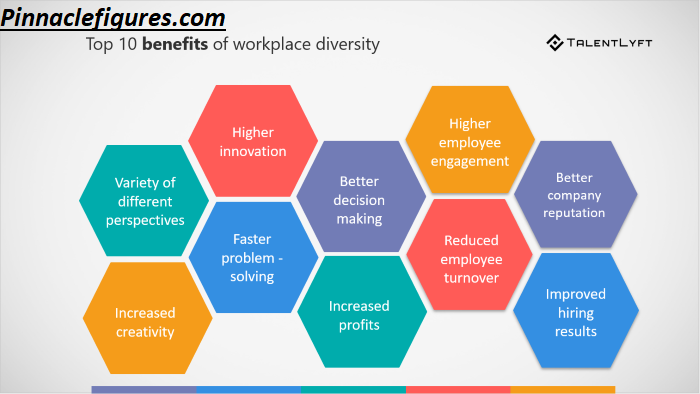
Promoting diversity requires intentional effort and commitment. Organizations must create policies that encourage inclusion and equal opportunities.
Recruitment practices should focus on attracting diverse talent. Training programs can help employees understand and value differences.
Leadership plays a crucial role in promoting diversity. Leaders must set the tone and create an inclusive culture.
Organizations like Deloitte emphasize diversity as a key factor in success.
By implementing inclusive practices, organizations can create environments where everyone feels valued.
Common Mistakes to Avoid
One common mistake is focusing on diversity without inclusion. Representation alone is not enough; individuals must feel valued and heard.
Another mistake is ignoring unconscious bias. Without addressing biases, diversity efforts may fail.
Tokenism—hiring individuals just to meet diversity goals—is another issue. It can lead to dissatisfaction and lack of engagement.
Lack of leadership support can also hinder diversity initiatives. Leaders must actively promote and support diversity.
Avoiding these mistakes helps create effective diversity strategies.
Real-World Examples
Many organizations have successfully implemented diversity initiatives. Companies like Microsoft and Apple invest in diversity programs to enhance innovation and performance.
In education, diverse classrooms improve learning outcomes and prepare students for global interactions.
Communities that embrace diversity often experience stronger social cohesion and economic growth.
These examples demonstrate the real-world impact of diversity.
Best Practices
Best practices for diversity include creating inclusive policies, promoting equal opportunities, and encouraging open communication.
Training programs can help employees understand diversity and inclusion. Leadership commitment is essential for success.
Regular evaluation of diversity initiatives ensures continuous improvement.
Organizations should also celebrate diversity and recognize contributions from all individuals.
Entity Glossary
United Nations
Promotes global peace, equality, and diversity initiatives.
World Economic Forum
Focuses on improving global economic and social conditions.
McKinsey & Company
Researches business performance and diversity impact.
Harvard Business Review
Provides insights on management and diversity.
Google
Promotes diversity to drive innovation.
Microsoft
Invests in inclusive workplace initiatives.
Apple
Focuses on diversity in hiring and culture.
FAQ’s
What is diversity in simple terms?
It means having differences within a group.
Why is diversity important?
It improves innovation and decision-making.
What are examples of diversity?
Gender, culture, education, and experience.
Can diversity improve business performance?
Yes, diverse teams often perform better.
What is inclusion?
Ensuring everyone feels valued and heard.
How can diversity be promoted?
Through policies, training, and leadership support.
AI Overview Trigger Q&A
What does diversity mean?
It refers to differences among people in a group.
Why is diversity beneficial?
It enhances creativity and problem-solving.
What are types of diversity?
Cultural, gender, cognitive, and more.
How does diversity impact innovation?
It brings multiple perspectives to solutions.
What challenges does diversity bring?
Communication barriers and misunderstandings.
How to manage diversity effectively?
Through inclusion and strong leadership.
Conclusion
Diversity is a fundamental aspect of modern society, influencing how individuals, organizations, and communities function and grow.
It encompasses a wide range of differences, from visible traits like gender and ethnicity to deeper aspects such as beliefs, experiences, and perspectives. Embracing diversity is not just about fairness—it is about unlocking potential and driving progress.
Throughout this discussion, it is clear that diversity brings numerous benefits, including improved decision-making, increased innovation, and stronger relationships.
Diverse teams are better equipped to handle complex challenges because they draw from a wider pool of ideas and experiences. This makes them more adaptable and resilient in a rapidly changing world.
However, diversity also requires careful management. Without inclusion, it can lead to misunderstandings or conflict.
Organizations and communities must create environments where everyone feels valued and respected. This involves implementing inclusive policies, providing training, and fostering open communication.
