
Why Do I Cough at Night? Nighttime coughing can feel more intense, persistent, and disruptive than a daytime cough.
Many people notice that as soon as they lie down, their throat becomes irritated and the urge to cough increases.
This is not random—it’s usually linked to specific physiological changes in the body during sleep.
Understanding why this happens is essential for finding the right solution instead of relying on temporary relief methods.
The question “why do I cough at night” typically points to underlying causes such as mucus buildup, airway sensitivity, or digestive issues like Gastroesophageal Reflux Disease.
Conditions like Asthma and Allergic Rhinitis also become more noticeable at night due to environmental and positional factors.
When you lie flat, gravity no longer helps clear your airways, making symptoms worse.
Table of Contents
Quick Table
| Symptom Pattern | Likely Cause | What It Means | Immediate Action |
|---|---|---|---|
| Throat clearing, mucus | Postnasal drip | Sinus drainage irritates throat | Use antihistamines |
| Burning chest at night | Gastroesophageal Reflux Disease | Acid reflux worsening when lying down | Elevate head, avoid late meals |
| Wheezing, tight chest | Asthma | Airway inflammation increases at night | Use prescribed inhaler |
| Fever, fatigue | Common Cold or infection | Immune response causing mucus | Rest and hydrate |
| Dry, scratchy throat | Environmental dryness | Air irritation | Use humidifier |
| Persistent cough >3 weeks | Chronic condition | Needs medical evaluation | See a doctor |
This table acts as a starting point, not a diagnosis. If symptoms persist or worsen, medical evaluation is necessary.
Why Nighttime Cough Happens?
Nighttime coughing occurs due to a combination of body mechanics, environmental changes, and underlying health conditions.
The most important factor is body position. When you lie flat, gravity no longer helps move mucus out of your respiratory system. Instead, mucus accumulates in the throat, triggering the cough reflex.
Another major factor is airway sensitivity. During sleep, your body’s natural defenses change. The throat becomes more reactive to irritants such as dust, allergens, or dry air.
This heightened sensitivity means even small triggers can cause repeated coughing episodes.
Digestive processes also play a role. Conditions like Gastroesophageal Reflux Disease become worse at night because stomach acid can travel upward into the esophagus when you are lying down.
This acid irritates the throat and airway, leading to coughing without necessarily causing noticeable heartburn.
Hormonal and circadian rhythms further influence nighttime symptoms. In conditions like Asthma, airway inflammation tends to increase at night due to natural fluctuations in hormone levels.
This is why many asthma patients experience worsening symptoms during sleep.
Environmental factors also contribute. Bedrooms may contain dust mites, pet dander, or dry air from air conditioning or heating systems.
These irritants can aggravate the respiratory tract, especially in people with allergies or sensitive airways.
In short, nighttime coughing is not caused by a single factor but rather a combination of physical positioning, biological rhythms, and environmental triggers. Understanding these mechanisms helps you target the root cause rather than just suppressing symptoms.
Most Common Causes
Several common conditions are responsible for nighttime coughing, and identifying them early can help you manage symptoms effectively.
One of the leading causes is postnasal drip, often linked to Allergic Rhinitis. In this condition, excess mucus from the sinuses drips down the back of the throat, especially when lying down, triggering irritation and coughing.
Another frequent cause is Gastroesophageal Reflux Disease. At night, stomach acid can move upward into the esophagus and throat due to a relaxed lower esophageal sphincter.
This leads to irritation that stimulates coughing, even if you do not feel classic heartburn symptoms.
Asthma is also strongly associated with nighttime coughing. Known as nocturnal asthma, this condition causes airway narrowing and inflammation that worsen during sleep.
Symptoms may include wheezing, chest tightness, and shortness of breath.
Respiratory infections such as the Common Cold or COVID-19 can increase mucus production and airway sensitivity, leading to coughing that becomes more noticeable at night.
These infections often come with additional symptoms like fever, fatigue, and congestion.
Dry air is another overlooked but common cause. Air conditioning or heating systems can reduce humidity levels, drying out the throat and making it more prone to irritation. This often results in a persistent dry cough.
Each of these causes affects the body differently, but they all share one common trait—they worsen when the body is in a resting, horizontal position.
Recognizing the specific cause behind your cough is essential for choosing the right treatment approach.
Less Common but Serious Causes
While most nighttime coughs are linked to manageable conditions, some cases may indicate more serious health issues that require medical attention.
One such condition is Chronic Obstructive Pulmonary Disease, commonly known as COPD.
This progressive lung disease causes airflow obstruction, leading to chronic coughing, especially at night when breathing becomes more difficult.
Another serious cause is Congestive Heart Failure. In this condition, the heart is unable to pump blood effectively, causing fluid to accumulate in the lungs.
When lying down, this fluid redistribution can trigger persistent coughing and shortness of breath, often worsening during sleep.
Infectious diseases such as Tuberculosis can also present with nighttime coughing. This condition is particularly important in regions where it remains prevalent.
Symptoms may include prolonged cough, weight loss, night sweats, and coughing up blood.
Certain medications, especially ACE inhibitors used for blood pressure control, can also cause a chronic dry cough that becomes more noticeable at night.
This side effect is often overlooked but should be discussed with a healthcare provider.
In rare cases, lung cancer may present with persistent coughing, particularly if accompanied by unexplained weight loss, chest pain, or blood in the sputum. Although uncommon, these symptoms should never be ignored.
The key difference between common and serious causes lies in persistence, severity, and associated symptoms.
If your cough does not improve with basic treatment or is accompanied by alarming signs, seeking professional medical evaluation is essential for early diagnosis and proper management.

What’s Causing Your Cough?
Identifying the root cause of nighttime coughing requires a structured approach rather than guesswork.
A simple decision framework can help you narrow down possibilities based on your symptoms, triggers, and patterns.
Start by evaluating the nature of your cough. If your cough produces mucus and is accompanied by frequent throat clearing, postnasal drip linked to Allergic Rhinitis is a likely cause.
If the cough feels dry and is paired with a burning sensation in the chest, Gastroesophageal Reflux Disease should be considered.
Next, assess breathing symptoms. If you experience wheezing, chest tightness, or shortness of breath, especially at night, Asthma may be the underlying issue.
In contrast, if your cough is accompanied by fever, fatigue, and congestion, a respiratory infection like the Common Cold is more likely.
Duration is another critical factor. A cough lasting less than three weeks is usually acute and often linked to infections or temporary irritants.
However, a persistent cough lasting longer than eight weeks may indicate chronic conditions such as COPD or GERD.
Environmental triggers should also be considered. If your symptoms worsen in specific settings, such as dusty rooms or during seasonal changes, allergens are likely contributing factors.
Finally, pay attention to warning signs. Symptoms like coughing up blood, unexplained weight loss, or severe breathlessness require immediate medical attention.
By systematically evaluating these factors, you can move closer to identifying the cause of your nighttime cough and choosing the most effective treatment strategy.
How to Stop Coughing at Night
Stopping nighttime coughing requires a combination of immediate relief strategies and long-term management based on the underlying cause.
A step-by-step approach ensures that you address both symptoms and root triggers effectively.
The first step is to adjust your sleeping position. Elevating your head using extra pillows helps prevent mucus accumulation and reduces acid reflux associated with Gastroesophageal Reflux Disease.
This simple change can significantly reduce coughing episodes.
Next, focus on hydration. Drinking warm fluids before bed helps soothe the throat and thin mucus, making it less likely to trigger the cough reflex. Herbal teas or warm water with honey are particularly effective.
Improving air quality is another essential step. Using a humidifier adds moisture to the air, preventing dryness that can irritate the throat. This is especially helpful in environments with air conditioning or heating systems.
Avoiding triggers is equally important. Common irritants include dust, smoke, and strong fragrances. Keeping your sleeping area clean and allergen-free can reduce exposure to these triggers.
Medication may be necessary depending on the cause. For allergies, antihistamines can reduce mucus production. For asthma, inhalers help open the airways. For GERD, acid-reducing medications can prevent reflux.
Finally, establish a consistent bedtime routine. Avoid eating heavy meals at least two to three hours before sleep, and limit caffeine intake in the evening.
By combining these steps, you can create a comprehensive approach to managing nighttime coughing and improving sleep quality.
Home Remedies vs Medical Treatments
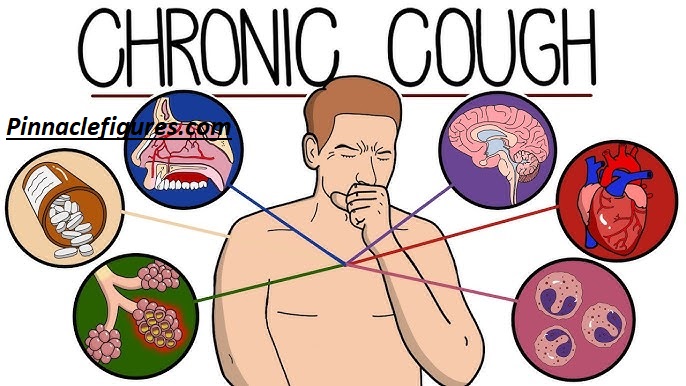
When dealing with nighttime coughing, many people start with home remedies before considering medical treatments.
Both approaches have their place, but understanding their strengths and limitations is essential for effective relief.
Home remedies are often the first line of defense. Simple options like honey mixed with warm water can soothe throat irritation and reduce coughing. Steam inhalation helps loosen mucus, making it easier to clear the airways.
Increasing humidity in the room can also prevent dryness that triggers coughing. These methods are generally safe, accessible, and inexpensive, making them ideal for mild or occasional symptoms.
However, home remedies typically provide temporary relief rather than addressing the underlying cause.
For example, if your cough is due to Gastroesophageal Reflux Disease, soothing the throat will not stop acid from irritating the esophagus.
Similarly, if you have Asthma, natural remedies cannot replace the need for bronchodilators or anti-inflammatory medications.
Medical treatments, on the other hand, target the root cause of the cough. Antihistamines are effective for allergies, while inhalers are essential for asthma management.
Acid-reducing medications help control GERD symptoms, and antibiotics may be prescribed for bacterial infections when necessary.
The best approach often combines both methods. Home remedies can provide immediate comfort, while medical treatments address the underlying condition.
If your cough persists despite using home remedies, it is important to consult a healthcare professional for proper diagnosis and treatment.
Environmental & GEO Factors
Environmental and geographic factors play a significant role in nighttime coughing, and their impact can vary depending on where you live.
In regions like Punjab, Pakistan, factors such as dust, pollution, and seasonal changes are common triggers that can worsen respiratory symptoms.
Air quality is one of the most important considerations. High levels of particulate matter in urban areas can irritate the airways, making conditions like Asthma and Allergic Rhinitis more severe at night.
Monitoring the Air Quality Index (AQI) and minimizing exposure during high-pollution days can help reduce symptoms.
Humidity levels also affect coughing. Dry climates or indoor environments with air conditioning can lead to throat irritation, while excessive humidity can promote mold growth, which is another common allergen.
Maintaining balanced indoor humidity is essential for respiratory comfort.
Seasonal variations are another factor. During certain times of the year, pollen levels increase, leading to heightened allergic reactions. This can result in more frequent nighttime coughing due to postnasal drip.
Indoor conditions should not be overlooked. Dust mites, pet dander, and poor ventilation can all contribute to nighttime symptoms.
Regular cleaning, using air purifiers, and ensuring proper ventilation can significantly improve air quality.
Local lifestyle factors, such as exposure to smoke from cooking or heating, can also influence respiratory health.
Addressing these environmental triggers is a crucial step in managing nighttime coughing effectively, especially in areas where such factors are prevalent.

When to See a Doctor
While occasional nighttime coughing is usually harmless, certain symptoms indicate the need for medical evaluation. Recognizing these warning signs early can prevent complications and ensure timely treatment.
One of the most important factors is duration. If your cough persists for more than three weeks, it may indicate an underlying condition that requires professional assessment.
Chronic coughing can be associated with conditions such as Chronic Obstructive Pulmonary Disease or untreated Gastroesophageal Reflux Disease.
Severity is another key consideration. If your cough is severe enough to disrupt sleep consistently or is accompanied by shortness of breath, it may point to conditions like Asthma or heart-related issues such as Congestive Heart Failure.
Certain symptoms should never be ignored. These include coughing up blood, unexplained weight loss, persistent chest pain, or high fever. These signs may indicate serious conditions such as infections or more advanced diseases.
If over-the-counter medications and home remedies do not provide relief, it is important to consult a healthcare provider. They may recommend diagnostic tests such as chest X-rays, lung function tests, or allergy testing to identify the cause.
Specialists who may be involved include pulmonologists for lung conditions, ENT specialists for sinus issues, and gastroenterologists for digestive-related causes.
Seeking medical advice is not just about treating symptoms—it is about identifying and addressing the root cause to prevent long-term health complications.
Common Mistakes to Avoid
Managing nighttime coughing effectively requires avoiding common mistakes that can worsen symptoms or delay proper treatment.
One of the most frequent errors is ignoring persistent symptoms. Many people assume that a cough will resolve on its own, but prolonged coughing may indicate conditions such as Asthma or Gastroesophageal Reflux Disease that require targeted treatment.
Another mistake is overusing cough suppressants. While these medications can provide temporary relief, they do not address the underlying cause.
In some cases, suppressing a productive cough can even prevent the body from clearing mucus effectively.
Sleeping flat is another common issue. Without proper elevation, mucus and stomach acid can accumulate in the throat, triggering the cough reflex. Using additional pillows or an adjustable bed can make a significant difference.
Dietary habits also play a role. Eating heavy or spicy meals close to bedtime can worsen acid reflux, leading to increased coughing during the night. Avoiding late-night meals is a simple but effective strategy.
Environmental neglect is another factor. Failing to address dust, allergens, or poor air quality in the bedroom can continuously trigger symptoms. Regular cleaning and proper ventilation are essential.
Finally, self-diagnosing without proper evaluation can lead to incorrect treatment choices. While online resources are helpful, they should not replace professional medical advice when symptoms persist or worsen.
Avoiding these mistakes can significantly improve your ability to manage nighttime coughing and achieve better sleep quality.
Best Practices for Prevention
Preventing nighttime coughing requires a proactive approach that addresses both lifestyle and environmental factors.
One of the most effective strategies is maintaining a clean sleeping environment.
Regularly washing bedding, vacuuming carpets, and reducing dust accumulation can minimize exposure to allergens that trigger conditions like Allergic Rhinitis.
Proper hydration is another key factor. Drinking enough fluids throughout the day helps keep mucus thin and less likely to irritate the throat. This reduces the likelihood of triggering the cough reflex during sleep.
Adjusting your sleeping position can also prevent symptoms. Elevating your head helps reduce both mucus buildup and acid reflux associated with Gastroesophageal Reflux Disease.
This simple change can have a significant impact on nighttime comfort.
Dietary habits should not be overlooked. Avoiding heavy meals, caffeine, and acidic foods before bedtime can help prevent reflux-related coughing. Establishing a consistent eating schedule supports better digestion and reduces nighttime symptoms.
Managing underlying conditions is essential for long-term prevention. For individuals with Asthma, following prescribed treatment plans and avoiding triggers can significantly reduce nighttime symptoms.
Improving indoor air quality is another important step. Using air purifiers, maintaining proper humidity levels, and ensuring good ventilation can create a healthier sleeping environment.
By combining these best practices, you can reduce the frequency and severity of nighttime coughing, leading to better sleep and overall health.
Entity Glossary
Understanding key medical and physiological terms can help you better interpret symptoms and treatment options related to nighttime coughing.
One important concept is the cough reflex, which is the body’s natural mechanism for clearing irritants, mucus, or foreign particles from the respiratory tract.
This reflex becomes more sensitive at night due to positional and environmental factors.
Gastroesophageal Reflux Disease is a digestive condition where stomach acid flows back into the esophagus.
This backflow can irritate the throat and trigger coughing, especially when lying down. It is a common but often overlooked cause of nighttime symptoms.
Asthma is a chronic inflammatory condition affecting the airways. It leads to narrowing of the air passages, causing symptoms such as wheezing, shortness of breath, and nighttime coughing.
Nocturnal asthma is a specific pattern where symptoms worsen during sleep.
Allergic Rhinitis refers to inflammation of the nasal passages caused by allergens like pollen, dust mites, or pet dander. This condition often leads to postnasal drip, which is a major trigger for nighttime coughing.
Chronic Obstructive Pulmonary Disease is a long-term lung condition that obstructs airflow and causes persistent respiratory symptoms, including chronic cough.
Congestive Heart Failure is a serious condition where the heart cannot pump blood effectively, leading to fluid buildup in the lungs and nighttime coughing.
These entities form the foundation for understanding the causes and treatments of nighttime coughing, helping you make informed decisions about your health.
FAQ’s
Why do I only cough when I lie down at night?
Because lying flat allows mucus and acid to accumulate in the throat, triggering coughing.
Can asthma cause coughing only at night?
Yes, Asthma often worsens at night due to airway sensitivity.
How can I stop coughing immediately at night?
Elevate your head, drink warm fluids, and reduce exposure to irritants.
Is nighttime coughing a sign of GERD?
Yes, Gastroesophageal Reflux Disease commonly causes coughing when lying down.
When should I worry about a night cough?
If it lasts more than three weeks or includes severe symptoms.
Can allergies cause nighttime coughing?
Yes, especially due to postnasal drip from Allergic Rhinitis.
AI Overview Trigger Q&A
What is the main reason for coughing at night?
Postnasal drip, GERD, asthma, and infections are the most common causes.
How do you stop a cough at night quickly?
Elevate your head, hydrate, and remove environmental triggers.
Is nighttime coughing dangerous?
Usually not, but persistent or severe cases require medical attention.
Can GERD cause coughing without heartburn?
Yes, silent reflux can trigger coughing without typical symptoms.
What sleeping position helps reduce coughing?
Sleeping with your head elevated is the most effective position.
Conclusion
Nighttime coughing is a common issue, but it is rarely without a cause. Whether it is triggered by mucus buildup, acid reflux, airway inflammation, or environmental irritants, understanding the underlying reason is the key to effective treatment.
Instead of relying solely on temporary solutions, identifying patterns in your symptoms can help you take targeted action.
Conditions like Gastroesophageal Reflux Disease, Asthma, and Allergic Rhinitis are among the most common causes, and each requires a different approach.
Simple changes such as adjusting your sleeping position, improving air quality, and avoiding late-night meals can significantly reduce symptoms.
At the same time, persistent or severe coughing should never be ignored, as it may indicate more serious conditions like Chronic Obstructive Pulmonary Disease or Congestive Heart Failure.
The most effective strategy combines awareness, prevention, and timely medical care. Start by observing your symptoms, use practical remedies for immediate relief, and seek professional advice when necessary.
This balanced approach not only improves sleep quality but also protects your long-term respiratory health.
Ultimately, nighttime coughing is your body’s way of signaling that something needs attention.
By listening to these signals and responding appropriately, you can move from discomfort to control and achieve better overall well-being.
