

Why Does the Roof of My Mouth Hurt? The roof of your mouth is more sensitive than it seems.
Pain there can arrive from surprisingly ordinary causes — a slice of pizza eaten too eagerly, the sharp edge of a crisp, or a hot drink swallowed too fast.
But sometimes the discomfort signals something worth noticing. Canker sores, allergic reactions, infections, or even teeth grinding can all create soreness in that delicate upper palate.
Most cases resolve within days with rest, cool water, and gentle eating.
However, if the pain lingers beyond a week or feels unusual — a dentist or doctor is always worth visiting.
Table of Contents
Quick Table
| # | Cause | Severity | Resolves In |
|---|---|---|---|
| 1 | Hot Food or Drink Burns | Mild | 2 — 4 days |
| 2 | Sharp Food Injury (crisps, crackers) | Mild | 2 — 3 days |
| 3 | Canker Sores | Mild — Moderate | 7 — 10 days |
| 4 | Allergic Reaction | Mild — Severe | Hours — 2 days |
| 5 | Oral Infection | Moderate | 5 — 7 days (with treatment) |
| 6 | Teeth Grinding (Bruxism) | Moderate | Ongoing without treatment |
| 7 | Dehydration | Mild | 1 — 2 days |
| 8 | Cold or Flu | Mild — Moderate | 5 — 10 days |
| 9 | Denture Irritation | Mild — Moderate | Ongoing without adjustment |
| 10 | Mouth Cancer (rare) | Severe | Requires medical treatment |
Why Does the Roof of My Mouth Hurt?
“I woke up one morning, took a sip of tea, and immediately winced. The roof of my mouth was tender in a way I’d never noticed before — not quite a sore throat, not quite a toothache. Just… that weird, nagging pain right up top.”
If you’ve ever felt that sharp or dull ache on the palate — especially when swallowing — you’re definitely not alone.
It’s one of those symptoms that’s hard to describe to someone else, and even harder to Google without falling down a rabbit hole of worst-case scenarios.
Let me walk you through what’s actually going on, what the most common causes are, when you need to worry, and some real, practical things you can do to feel better.
No medical jargon overload, I promise.

First, what exactly is “the roof of your mouth”?
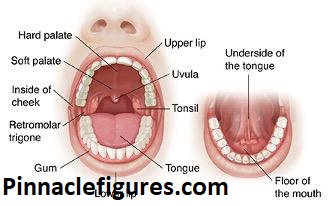
There are actually two parts: the hard palate (the firm bony area just behind your front teeth) and the soft palate (the fleshy part further back that moves when you talk or swallow).
Pain can come from either — and the location matters when figuring out the cause.
Pain specifically when swallowing tends to involve the soft palate or the junction between the two, since that’s where the action happens when you push food or liquid down.
The most common culprits
Burns from hot food
Pizza, soup, hot drinks — the palate is often the first casualty of impatience at the dinner table.
Viral infections
Cold, flu, or strep throat can inflame the soft palate. Often comes with other symptoms.
Dehydration & dry mouth
Low saliva production makes the palate more sensitive and prone to irritation.
Canker sores
Small ulcers can pop up on the palate, making every swallow sting.
Allergies & acid reflux
Both can cause postnasal drip or stomach acid creeping up, irritating the palate overnight.
Dental issues
Abscessed teeth or gum infections sometimes radiate pain upward into the palate.
Let’s go deeper on each one
You burned it (and forgot you did)
This is honestly the most common reason, and the most embarrassing to admit.
Hot pizza cheese, a rushed gulp of coffee, a bowl of ramen that wasn’t quite cooled — the soft palate burns easily and quietly.
You might not even notice the burn in the moment, only feeling the soreness hours later when swallowing.
A burn on the palate usually heals in 3–5 days. The area can feel raw, slightly blistered, or just generally tender. It gets worse when you eat acidic or spicy foods, and better with cold drinks and soft foods.
Stir or blow on hot food before eating. If you’re someone who burns their mouth regularly, try waiting an extra 2–3 minutes before eating anything that came out of a microwave or oven.
A cold, flu, or throat infection
When you have a viral upper respiratory infection, the inflammation doesn’t stay neatly in your throat — it spreads. The soft palate often gets red and swollen, and swallowing something as light as water can cause a pressing ache up top.
With strep throat specifically, palate pain can be quite sharp. Strep also tends to cause white patches on the tonsils, fever, and swollen lymph nodes.
If you suspect strep, you really do need a proper test — treating it with antibiotics matters more than people often realize.
Canker sores (mouth ulcers)
These small, crater-like sores can appear anywhere inside the mouth, including the palate. They’re not contagious, but they are surprisingly painful for their size.
Swallowing can press the tongue or food against them, creating a sharp, localized sting.
Common triggers include stress, vitamin deficiencies (especially B12, folate, iron), accidentally biting the inside of your mouth, or certain foods like citrus or tomatoes.
Most clear up within a week to ten days on their own.
Acid reflux or GERD
This one surprised me when I first learned about it. Acid reflux doesn’t just hurt your chest — it can creep all the way up to the back of your mouth, especially at night.
The acid irritates the soft palate and uvula, leaving you with a sore, inflamed feeling that’s particularly bad in the morning or when swallowing on an empty stomach.
If your mouth pain is worse after lying down, after heavy meals, or accompanied by a bitter taste or heartburn, reflux is worth investigating.
Allergies and postnasal drip
Seasonal allergies cause more than runny noses. When mucus drips down the back of the throat, it can persistently irritate the soft palate over days or weeks.
The inflammation is usually duller and more persistent than, say, an infection — and it often comes with a scratchy or tickly feeling rather than sharp pain.
Dehydration
Saliva is your mouth’s natural protector and lubricant. When you’re dehydrated — whether from not drinking enough water, too much alcohol, or a bout of illness — your mouth becomes dry and your palate becomes more sensitive.
Swallowing without enough saliva can actually create mild friction pain on the palate.

What you can actually do to feel better
- Rinse with warm salt water.Half a teaspoon of salt in a glass of warm water, swished gently and gargled for 30 seconds. Do this 2–3 times a day. It reduces inflammation and cleans the area without harsh chemicals.
- Stay hydrated.Sounds too simple, but drinking more water consistently throughout the day keeps the palate moist and less irritated. Add a bit of honey to warm water for extra soothing effect.
- Eat soft, cool, non-acidic foods.While your palate heals, go easy on it. Yoghurt, scrambled eggs, lukewarm soups, mashed foods — these won’t aggravate the area. Avoid citrus, tomatoes, very spicy food, and anything crunchy or hard for a few days.
- Use an over-the-counter pain gel if needed.Products like benzocaine-based oral gels (Orajel and similar brands) can be applied lightly to the sore area for short-term relief before meals.
- Check for acid reflux patterns.If you suspect reflux, try not eating within 2–3 hours of bedtime, elevating your head while sleeping, and avoiding trigger foods. Antacids can help short-term.
- Get a strep test if symptoms persist or worsen.If you have fever, swollen glands, or white patches, go to a clinic or use an at-home strep test kit. Don’t wait it out hoping it’ll pass.
Mistakes people make (that slow down healing)
Eating spicy or acidic food to “push through it.” This just re-irritates the area every time. Give your palate a genuine break from anything that stings.
Using undiluted mouthwash constantly. Many mouthwashes contain alcohol, which dries out the mouth and can actually worsen irritation on an already-inflamed palate. Use alcohol-free versions sparingly.
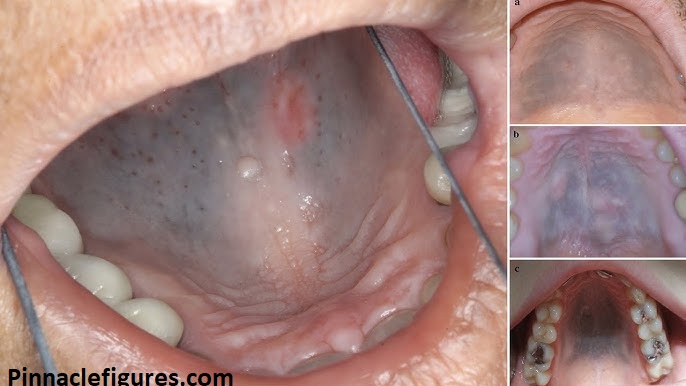
Assuming it’s always a burn and ignoring it. Most palate pain is benign, but if it’s been more than two weeks, getting worse, or accompanied by unusual changes (lumps, discolouration, bleeding), get it properly looked at. Oral conditions caught early are far easier to treat.
Drinking very hot tea or coffee to “soothe” it. It feels comforting in the moment but actually delays healing and can re-burn tissue that’s already fragile. Go for lukewarm or room temperature instead.
When should you actually see a doctor?
See a doctor or dentist if: pain lasts more than two weeks without improving, you have a fever above 38.5°C (101.3°F), you notice a lump or unexplained swelling in your mouth, you have difficulty swallowing solid food, or you see white patches that don’t wipe away easily.
These symptoms can indicate infections or conditions that need proper treatment — don’t self-manage them indefinitely.
For most people, though, roof-of-mouth pain when swallowing is a short-lived annoyance caused by something pretty ordinary — a minor burn, a virus, or a canker sore that needs a few days to settle down.
FAQ’s
Why does the roof of my mouth hurt when I eat?
Most commonly, eating sharp, crunchy, or very hot foods irritates the delicate tissue of the palate. The damage is usually minor and heals within a few days with no treatment needed.
Can stress cause roof of mouth pain?
Yes. Stress can trigger canker sores and teeth grinding, both of which place direct pressure or irritation on the upper palate, leading to persistent soreness.
When should I see a doctor about mouth roof pain?
If the pain lasts longer than ten days, is accompanied by swelling, white patches, difficulty swallowing, or spreads to the jaw or ear — seek medical advice promptly.
What home remedies help soothe roof of mouth pain?
Rinsing with warm salt water, drinking cool water, avoiding acidic or spicy foods, and applying a small amount of honey can all provide gentle, natural relief.
Could roof of mouth pain be a sign of something serious?
In rare cases, persistent unexplained pain may indicate an infection, autoimmune condition, or in very rare situations, oral cancer. Early diagnosis always leads to better outcomes.
Conclusion
The roof of your mouth is a small, often overlooked part of the body — until it hurts.
Then, suddenly, every sip of tea, every bite of food, and every swallow becomes a reminder that something is not quite right.
The good news is that most causes of palate pain are temporary and entirely manageable at home.
A burn from impatient eating, a scrape from a sharp cracker, a stress-triggered canker sore — these are common, human, and healable.
A few days of gentle eating, cool fluids, and salt water rinses is often all the treatment needed.
But the body is always communicating.
When pain lingers beyond what feels normal, or arrives alongside other symptoms — swelling, difficulty swallowing, unusual patches — it deserves proper attention. Not panic, but awareness.
Not avoidance, but action.
Visiting a dentist or doctor early is never wasted time. Most concerns turn out to be minor. And on the rare occasion they are not, early intervention makes every difference.
Take care of your mouth. It is how you taste, speak, laugh, and connect with the world around you.
Even the smallest part of it — that quiet, curved roof — deserves your attention, your gentleness, and when necessary, professional care.
