
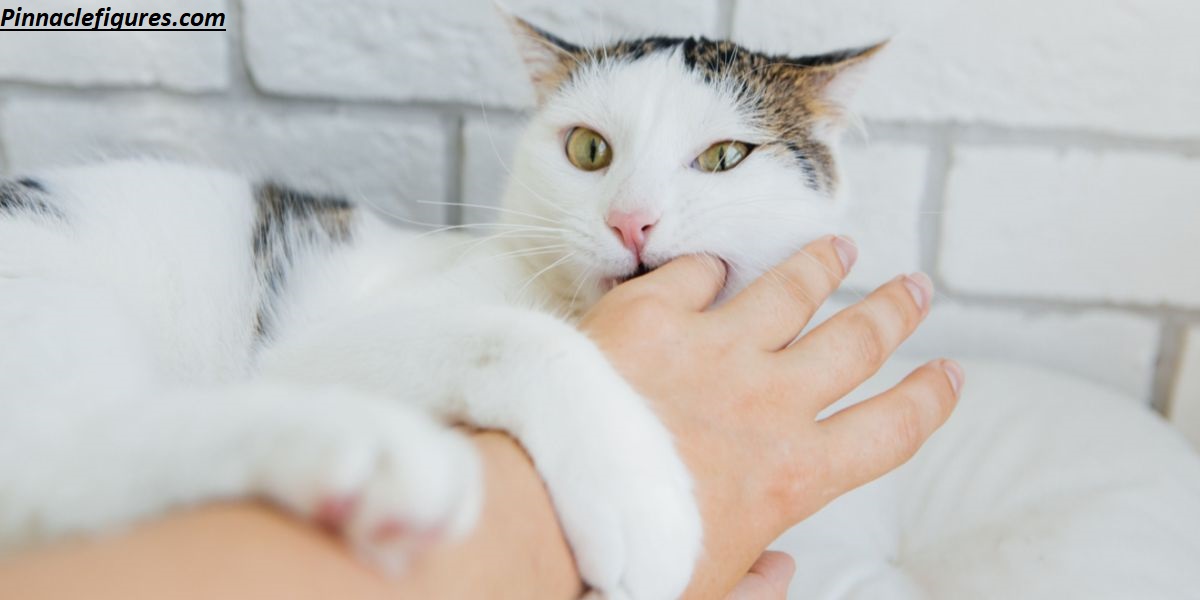
Why Does My Cat Bite Me When I Pet Her? This is called petting-induced aggression, and it’s surprisingly common among even the most affectionate cats.
Cats have a naturally low tolerance threshold for physical touch — while your cat may genuinely enjoy being petted at first, repeated stroking can quickly shift from pleasant to overwhelming, particularly around sensitive areas like the belly, tail base, and ears.
The bite is simply her way of communicating that she has had enough, since cats lack the ability to verbally express discomfort.
Before biting, she almost certainly gave subtle warning signals like tail flicking, skin rippling, dilated pupils, or turning her head toward your hand.
Learning to recognize these early cues, keeping petting sessions brief, and allowing her to initiate and end contact on her own terms will make your interactions far more enjoyable for both of you.
Table of Contents
Quick Table
| Cause | What It Means | Signs | What To Do |
|---|---|---|---|
| Overstimulation | Too much petting irritates your cat | Tail flicking, tense body | Stop petting early |
| Sensitive Areas | Certain spots trigger discomfort | Sudden twitching, biting | Avoid belly/tail base |
| Fear or Stress | Cat feels unsafe or anxious | Flattened ears, hiding | Build trust slowly |
| Love Bites | Gentle nibble as affection | Soft bite, no aggression | Don’t encourage rough play |
Why Does My Cat Bite Me When I Pet Her?
If you’ve ever wondered, “why does my cat bite me when I pet her?”, you’re not alone. Many cat owners experience this confusing behavior.
One moment your cat is purring, and the next—bite! This usually isn’t true aggression. Instead, it’s a form of feline behavior and communication.
Cats use biting to express overstimulation, irritation, fear, or even affection. Understanding why cats bite suddenly during petting helps you respond correctly.
By learning your cat’s signals and triggers, you can prevent bites and build a stronger bond with your pet.
What Does It Mean When Your Cat Bites You?
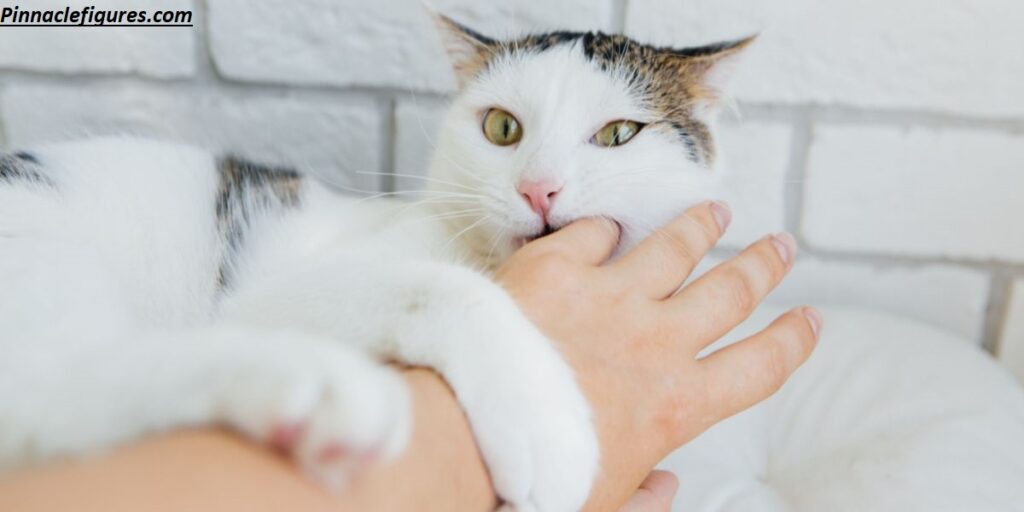
When your cat bites you during petting, it’s rarely random.
Cats don’t communicate like humans—they rely on body language, subtle cues, and physical actions.
Biting is one of their clearest ways to say something isn’t right. This behavior is often called petting-induced aggression, though it’s not always true aggression.
In most cases, your cat is trying to communicate one of several things: “I’ve had enough,” “that hurts,” or “I feel uncomfortable.”
Cats can quickly shift from enjoyment to overstimulation, especially if petting continues too long. This leads to irritation and a sudden bite.
Emotional triggers also play a role. Feelings like fear, frustration, or stress can make a cat react defensively. For example, if your cat feels trapped or uneasy, she may bite as a warning.
On the other hand, some bites are harmless and known as cat love bites, which are gentle nibbles showing affection.
Understanding these differences is key. By recognizing whether your cat’s bite is playful, affectionate, or defensive, you can respond appropriately and avoid reinforcing unwanted behavior.
4 Reasons Cats Bite While Petting
Cats bite during petting for several common reasons, and each one ties back to feline behavior and communication.
The most frequent cause is overstimulation, where too much petting becomes overwhelming. Another reason is sensitive areas, as some parts of a cat’s body are uncomfortable to touch.
Emotional triggers like fear or stress can also lead to defensive biting. Lastly, cats sometimes give love bites, which are gentle and playful rather than aggressive.
Understanding these reasons helps answer the question, why cats bite suddenly, and gives you the tools to prevent it.
Overstimulation
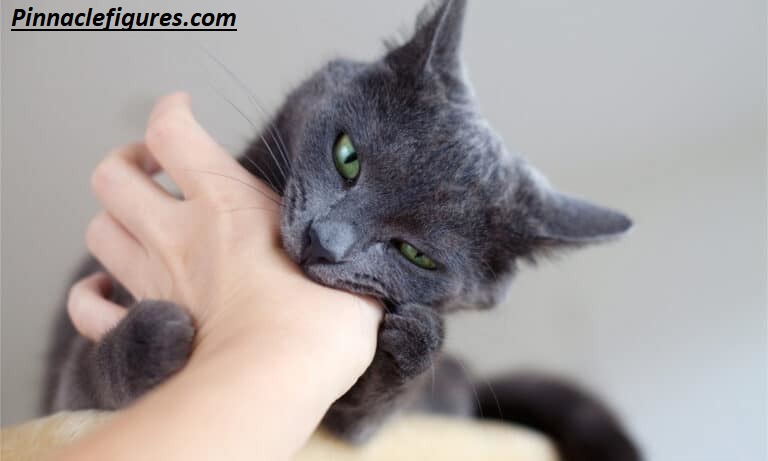
Overstimulation is the number one reason cats bite during petting. While your cat may enjoy attention at first, repeated strokes can quickly become overwhelming.
This is known as petting-induced aggression, and it happens when nerve endings become too sensitive. As irritation builds, your cat may go from relaxed to agitated in seconds.
Signs include tail flicking, a tense body, and dilated pupils. If you ignore these signals, a bite often follows. The key is to stop petting before your cat reaches this point.
Short, gentle sessions help prevent overstimulation and reduce biting behavior.
Sensitive Areas
Not all parts of a cat’s body are equally enjoyable to touch. Many cats dislike being petted on the belly, tail base, or legs.
These are considered sensitive areas, and touching them can trigger discomfort or even pain. When this happens, your cat may bite as a way of saying “stop.”
This reaction is part of natural feline behavior and communication.
Watch for warning signs like flattened ears or sudden twitching.
To avoid bites, focus on safer areas like the head, chin, and back. Learning your cat’s preferences is essential to preventing unwanted biting.
Fear or Stress
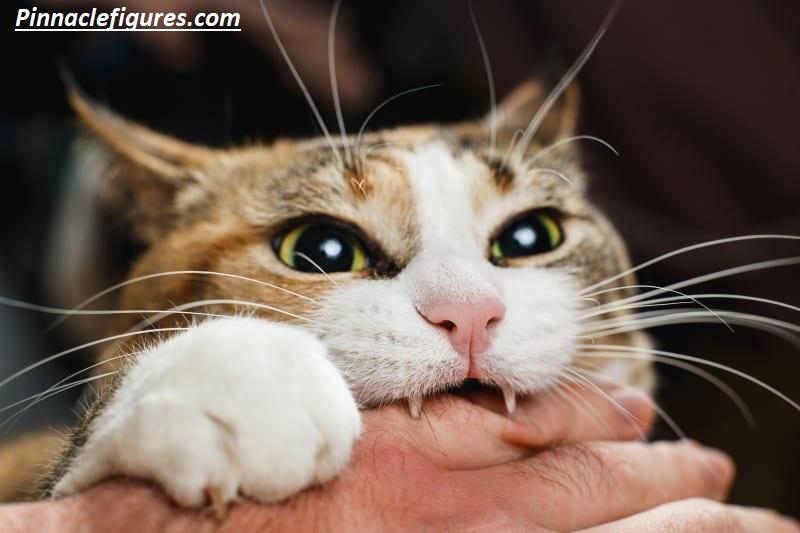
Cats that feel fear or stress are more likely to bite during petting. If your cat feels threatened, cornered, or overwhelmed, she may react defensively.
This is especially common in rescue cats or those with past trauma. Emotional triggers like frustration, anxiety, or sudden environmental changes can increase this behavior.
Signs include flattened ears, hiding, and a tense body posture. In these cases, the bite is a warning rather than aggression.
Building trust is crucial. Give your cat space, approach slowly, and let her initiate contact to reduce stress-related biting.
Love Bites
Not all bites are negative. Some cats give what are known as love bites, which are gentle nibbles that show affection. These bites are usually soft and don’t break the skin.
They often happen during petting when your cat is relaxed and content.
This behavior is similar to grooming or playful interaction. Understanding cat love bites meaning helps you distinguish them from aggressive biting.
However, even playful bites shouldn’t be encouraged too much, as they can become stronger over time.
Redirecting this behavior to toys is a safer way to maintain positive interaction.
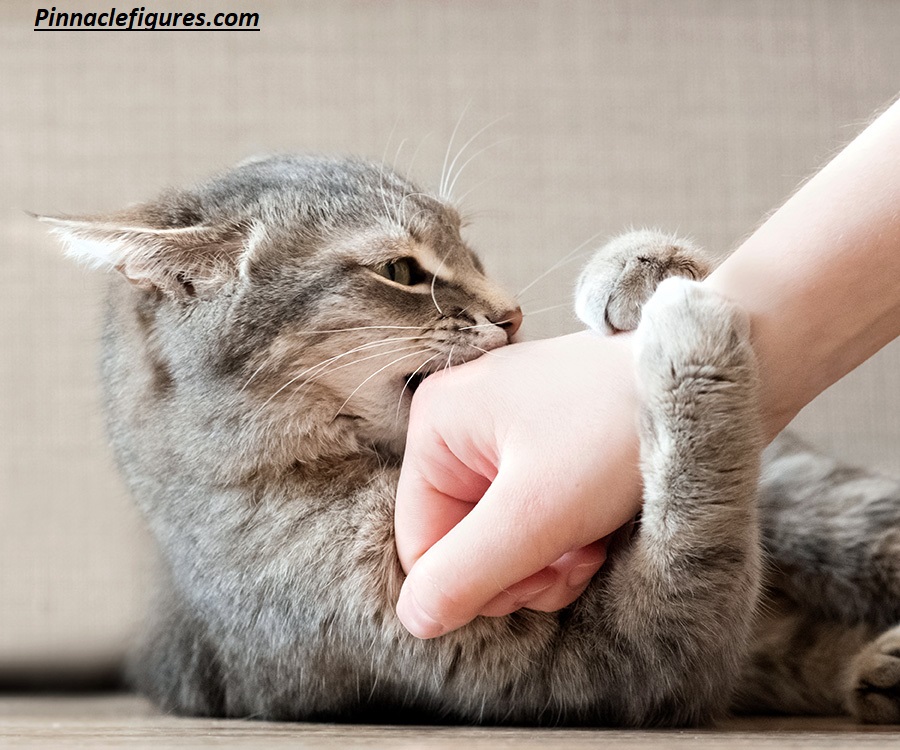
Warning Signs Before a Bite
Cats rarely bite without warning. The problem is that many owners miss the subtle signs.
Learning your cat’s body language is the best way to prevent bites. Before biting, most cats display clear signals of discomfort or irritation.
Common warning signs include tail flicking or lashing, which indicates rising frustration. Flattened ears are another strong signal that your cat is feeling threatened or annoyed.
You may also notice dilated pupils, showing heightened alertness or stress. A tense body posture is often the final warning before a bite occurs.
Other signs include sudden stillness, twitching skin, or a low growl. These are all forms of feline communication telling you to stop.
Ignoring these signals can quickly lead to petting-induced aggression.
By paying attention to these cues, you can stop petting at the right moment. This prevents overstimulation and reduces the chances of being bitten.
Over time, you’ll learn your cat’s unique signals and build a better understanding of her limits.
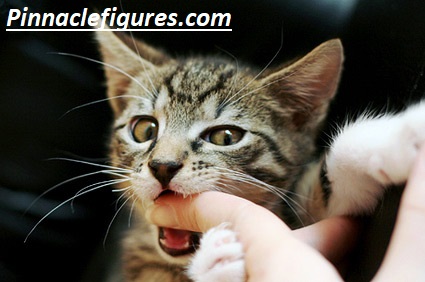
How to Stop Your Cat from Biting
If you’re searching for how to stop cat biting, the solution starts with understanding your cat’s limits. First, avoid long petting sessions.
Short, gentle interactions help prevent overstimulation. Always stop at the first sign of discomfort, such as tail flicking or a tense body.
Next, learn your cat’s preferred petting areas. Stick to safe zones like the head and chin, and avoid sensitive areas.
This reduces irritation and prevents sudden reactions.
Positive reinforcement is also important. Reward calm behavior with treats or praise. If your cat bites, don’t punish her. Instead, calmly withdraw your hand and give her space.
Punishment can increase fear, stress, and frustration, making the problem worse.
Providing toys is another effective strategy. Redirect biting behavior toward appropriate outlets. Interactive toys help release energy and reduce aggression.
Consistency is key. Over time, your cat will learn that gentle behavior leads to positive outcomes. This strengthens trust and reduces biting during petting.
When to Worry
While most biting is harmless, there are times when it may indicate a deeper issue. If your cat’s biting becomes frequent, intense, or unpredictable, it’s worth paying attention.
Sudden changes in behavior can be a sign of pain, illness, or underlying stress.
For example, a cat experiencing discomfort may react aggressively when touched. This is especially true if the biting occurs even during light petting.
In such cases, the behavior is not just petting-induced aggression but a response to physical pain.
Severe bites that break the skin or draw blood are also a concern. These may indicate heightened fear, frustration, or anxiety.
Environmental factors like new pets, loud noises, or routine changes can increase stress levels and trigger aggressive reactions.
If you notice persistent warning signs like flattened ears, dilated pupils, and a constantly tense body, it’s best to consult a veterinarian. A professional can rule out medical issues and provide guidance on managing behavior.
Addressing the root cause early helps prevent the problem from worsening and ensures your cat stays healthy and happy.
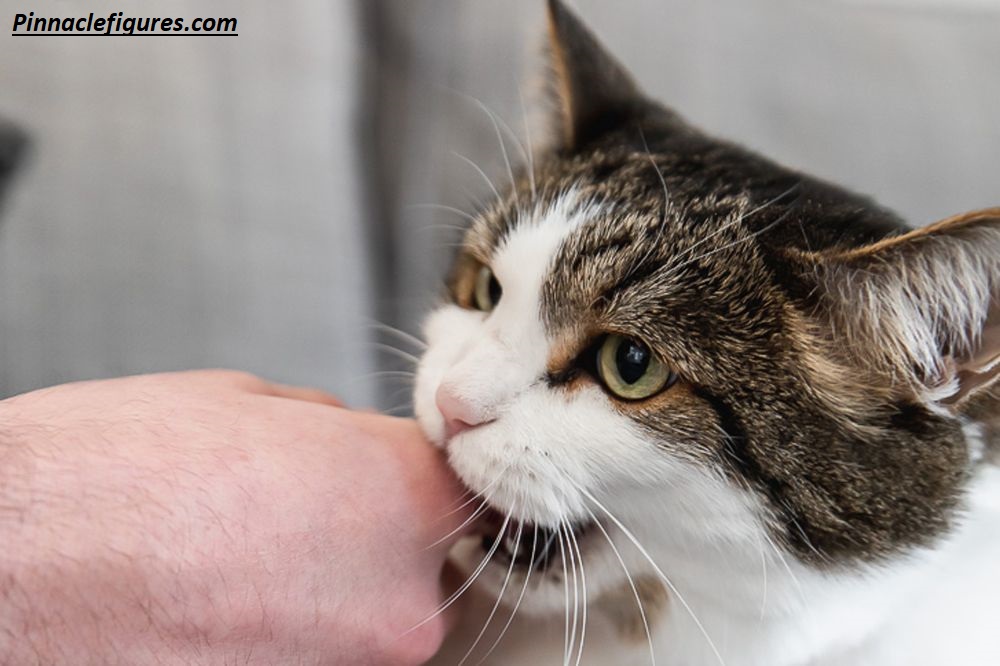
FAQs
Why does my cat bite me gently while purring?
This is usually a love bite, a sign of affection rather than aggression.
Why do cats bite suddenly during petting?
It’s often due to overstimulation or irritation building up over time.
How can I tell if my cat will bite?
Watch for tail flicking, flattened ears, and a tense body.
Can I train my cat to stop biting?
Yes, using positive reinforcement and short petting sessions.
Is biting always a bad sign?
No, some bites are part of normal feline communication.
Conclusion
So, why does my cat bite me when I pet her? The answer lies in understanding your cat’s unique way of communicating.
Biting is not random—it’s a response to overstimulation, sensitive areas, fear, stress, or even affection. What may seem like sudden aggression is often your cat’s way of saying, “I’ve had enough.”
By learning to read your cat’s body language, such as tail flicking, flattened ears, dilated pupils, and a tense body, you can prevent most bites before they happen.
Recognizing these early warning signs is the key to avoiding petting-induced aggression.
The good news is that this behavior can be managed. Short petting sessions, respecting your cat’s boundaries, and using positive reinforcement all help reduce biting.
Understanding cat love bites meaning also ensures you don’t misinterpret affectionate behavior as aggression.
At its core, this issue is about communication and trust. The more you understand your cat’s signals, the stronger your bond will become.
With patience and awareness, you can turn confusing biting behavior into a clear and manageable part of your cat’s personality.
