
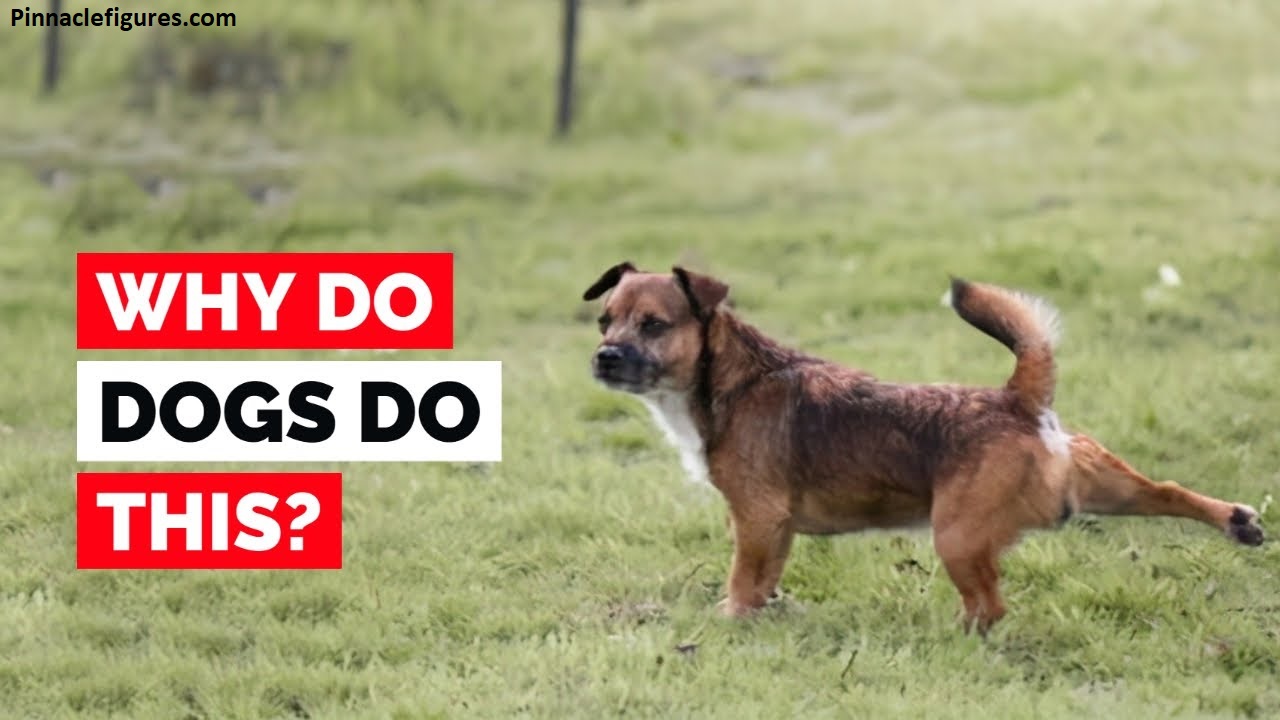
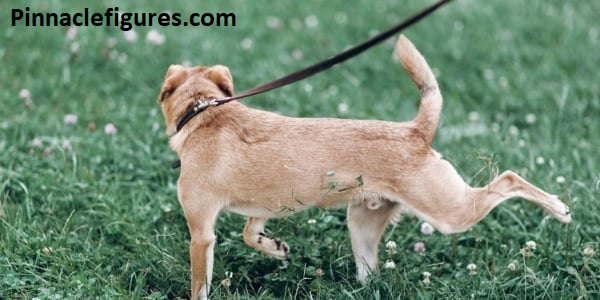
Why Do Dogs Kick After Pooping? If you have ever watched your dog scratch or kick the ground after pooping, you may have wondered what on earth they are doing.
This amusing and completely normal behavior is actually rooted in ancient animal instinct. Dogs have special scent glands located in their paws that release powerful pheromones when they kick the ground.
By scratching the earth after pooping, they are not trying to cover their mess like cats do — they are actually doing the opposite.
They want to spread their scent as widely as possible to mark their territory and communicate with other dogs nearby. It is their natural way of leaving a message that says, “I was here.”
Table of Contents
Quick Table
| Reason | Description | Instinct Type |
|---|---|---|
| Scent Marking | Paw glands release pheromones to mark territory | Natural Instinct |
| Communication | Leaving a message for other dogs in the area | Social Instinct |
| Territory Defense | Warning other animals to stay away from their space | Protective Instinct |
| Visual Marking | Scratch marks on ground act as a visible signal | Survival Instinct |
| Spreading Scent | Kicking spreads scent further than poop alone | Territorial Instinct |
| Ancestral Behavior | Inherited habit from wild wolves and ancestors | Primal Instinct |
| Confidence Display | Bold kicking shows dominance and self-assurance | Dominance Instinct |
| Habit & Routine | Some dogs kick simply out of learned daily habit | Behavioral Pattern |
Why Do Dogs Kick After Pooping?
I still remember the first time I really noticed it. I was at the dog park with my golden retriever, Biscuit, watching him do his business near the tree line — completely normal, right?
But then he started frantically kicking up grass and dirt like he was trying to bury the entire lawn.
I actually looked around to see if other people were watching, half-expecting someone to explain what was happening.
Nobody did. So I went home and fell down a rabbit hole that lasted way longer than I care to admit.
Turns out this quirky little post-poop ritual has a fascinating explanation — and once you understand it, you’ll never look at your dog’s “after-dump dance” the same way again.
It’s Not About Covering the Poop (I Was Wrong About This)
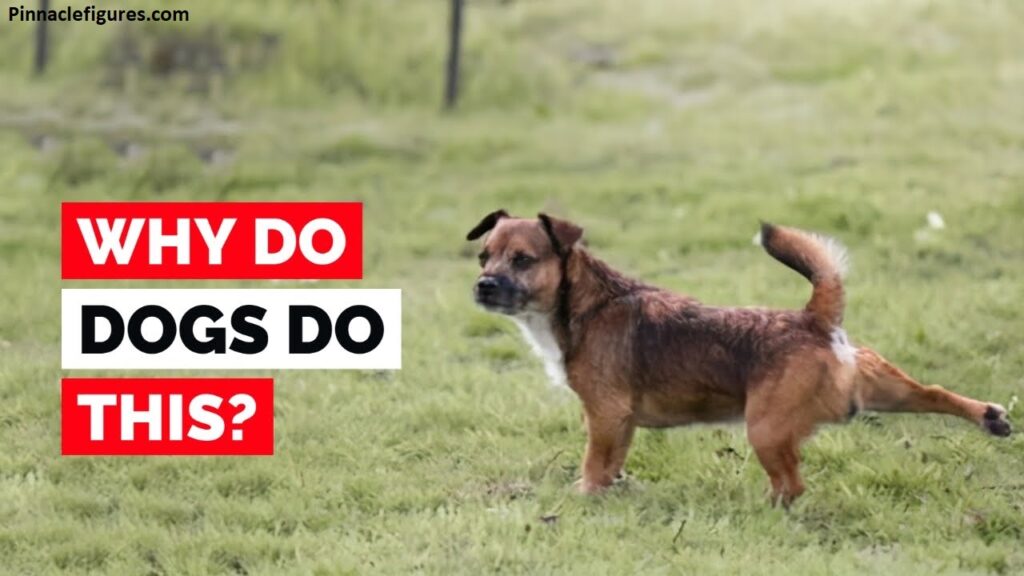
My first guess — and probably yours too — was that dogs kick dirt to cover up what they just did. Makes sense, right? Cats bury their waste. Maybe dogs are doing something similar?
Nope. Not even close.
If you actually watch what happens, the kicking almost never results in the poop being covered. Biscuit would kick grass about two feet away from where he pooped.
He wasn’t even close to covering it. And that’s not a Biscuit problem — most dogs do this.
The dirt flies off to the side, the poop just sits there, and the dog trots off like he accomplished something great.
So if it’s not about covering the mess, what is it?
The Real Reason: It’s a Communication Thing
Dogs are obsessed with communication. We just don’t always see it because their language isn’t verbal — it’s chemical, physical, and territorial.
Here’s what’s actually happening when your dog kicks after pooping:
They’re spreading their scent — but not the kind you’re thinking of.
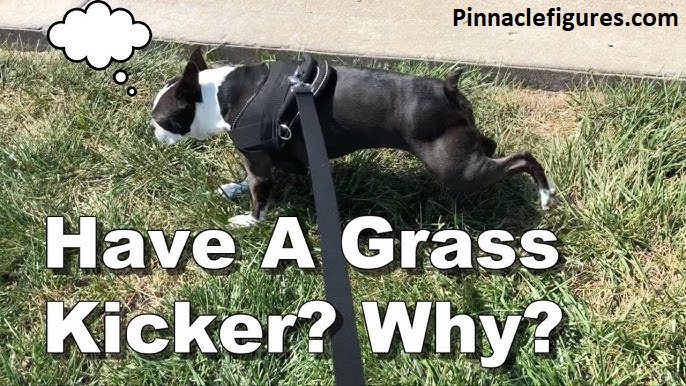
Dogs have scent glands in their paws. Specifically, between their toes. These glands release pheromones that are unique to your individual dog — kind of like a fingerprint, but smellier.
When they kick the ground after pooping, they’re depositing those pheromones into the soil and grass in a wide radius around their waste.
So instead of just leaving a small scent marker where they pooped, they’re essentially painting a bigger, more visible (well, sniff-able) announcement to every other dog who passes by.
Translation: “I was here. This is my territory. And yes, I’m a big deal.”
The Science Behind the Smell
I talked to my vet about this after noticing Biscuit’s kicking was getting more enthusiastic, and she explained it really well.
Poop itself is a scent marker — it contains information about what the dog ate, their health status, and their individual chemical signature.
But poop breaks down. Over a few hours, especially in sun or rain, that scent degrades pretty quickly.
Paw gland pheromones are different. They tend to linger longer, especially when deposited into disturbed earth or cut grass.
So by kicking up the ground, the dog is essentially creating a more durable “post” — like leaving a business card that outlasts the actual waste.
This explains why dogs in multi-dog households or dogs that frequently visit dog parks tend to do this more intensely.
There’s more competition, more messages to send, and more of a reason to make theirs stand out.
It’s Also a Dominance Move
Here’s where it gets a little primal.
The kicking behavior is actually thought to be linked to territorial dominance. Wild canids — wolves, coyotes — do versions of this too. It’s a way of visually and chemically marking an area as occupied.
In domestic dogs, this instinct didn’t disappear just because they now live in apartments and eat kibble from a stainless steel bowl.
The behavior stuck around because it still feels meaningful to them, even if the evolutionary pressure isn’t quite the same.
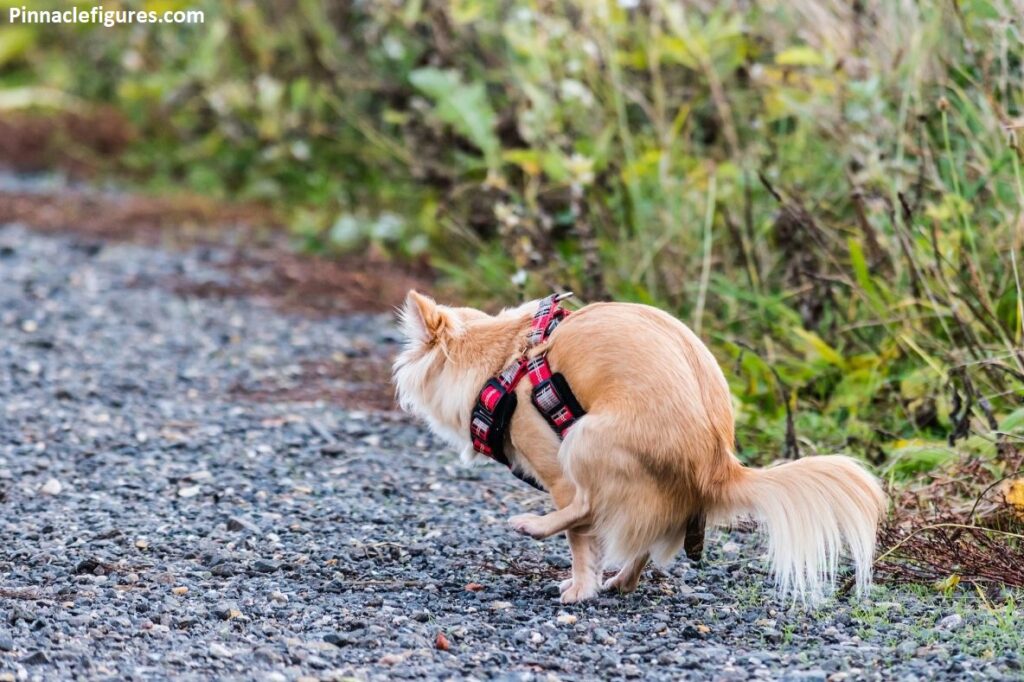
My neighbor has a tiny Chihuahua named Prince who does this with the most dramatic energy I’ve ever seen. Full body kicks, sometimes loses his balance.
He weighs maybe five pounds. But in his mind? He is absolutely sending a message to every other dog on the block.
Does Every Dog Do This?
Short answer: no, not all of them.
Some dogs do it occasionally. Some do it every single time. Some never do it at all. And that variation is totally normal.
Factors that seem to influence how often a dog kicks:
- Personality and confidence: More assertive, dominant-leaning dogs tend to do it more often.
- Environment: Dogs in areas with lots of other dog traffic (parks, walking trails) tend to kick more — there’s more reason to mark.
- Age: Younger dogs learning social behaviors sometimes pick it up and stick with it. Some older dogs mellow out.
- Hormones: Intact (unneutered/unspayed) dogs often do this more intensely. After spaying or neutering, some dogs do it less.
- Breed tendencies: Some breeds with stronger territorial or scenting instincts — hounds, herding breeds, certain terriers — seem more prone to it.
Biscuit does it probably 70% of the time. My friend’s lab mix? Almost never. Both perfectly normal dogs.
Is It Ever a Problem?
For the most part, no. It’s just a dog being a dog.
The only time it becomes an issue is in specific contexts:
In the garden. If your dog kicks near your flower beds, they can absolutely shred young plants or disturb seeds. After Biscuit destroyed a freshly planted herb section in our backyard, I started walking him toward the lawn edge away from the garden. Simple fix.
Toward other people. Some dogs kick with force, and if a person is standing nearby — especially a kid — they can get pelted with dirt or grass clumps.
If your dog tends to kick toward people, it’s worth practicing a gentle recall or “move” command right after they finish their business so they’re not aiming at someone’s shins.
On leash at a park. If you’re at a dog park and your dog kicks dirt toward another dog that’s already showing tension, it can add fuel to a conflict. Just something to be aware of if your dog is the enthusiastic type.
None of these are serious behavioral problems. No need to stop the behavior entirely — just manage the context.
What I’ve Learned From Watching It (And You Can Too)
Honestly, paying attention to this behavior taught me a lot about how Biscuit reads the world.
I started noticing that he kicks more intensely in spots where other dogs have recently been. At the fire hydrant by the corner? Full-on digging. In our quiet backyard where no other dogs come? Sometimes just a couple lazy swipes.
He’s responding to information I can’t even perceive. That’s kind of wild to think about.
If you want to understand your own dog’s behavior a bit better, just watch when and where they kick. Does it happen more in certain spots? After meeting other dogs?
On walks with more foot traffic? You’ll start seeing a pattern, and that pattern will tell you something about how your dog is experiencing their environment.
Common Mistakes Dog Owners Make About This
Scolding them for it. I’ve seen people yell at their dog to stop kicking right after pooping. The dog has no idea what they did wrong.
This is a deeply ingrained instinct — punishing it is confusing and doesn’t accomplish anything.
Assuming they’re trying to cover the mess. Now you know they’re not. Don’t wait around expecting the poop to get buried. Bring your bags.
Thinking it means the dog is anxious or has a problem. Sometimes people worry that the frantic kicking is a sign of stress. In most cases, it’s the opposite — it’s a confident, communicative behavior.
A stressed dog is usually doing something very different (cowering, tucking their tail, avoiding eye contact).
Over-correcting small dogs. Tiny dogs doing big dramatic kicks look a little funny, so sometimes owners laugh at them or redirect them out of amusement. Just let them have their moment.
Prince the Chihuahua deserves to feel large.
One Last Thing Worth Mentioning
I’ve started pointing out the kicking behavior to people at the park who don’t know about it, and almost everyone has the same reaction: genuine surprise followed by “that’s actually really cool.”
It’s one of those things that makes you appreciate how complex dogs are. They have this whole layer of communication happening all the time — chemical, physical, spatial — that we’re mostly oblivious to.
Your dog isn’t being weird or destructive when they kick up the grass after pooping. They’re doing something that feels important and instinctually correct to them. They’re leaving a message. Participating in a conversation that’s been going on between dogs for thousands of years.
The least we can do is understand it — and maybe step to the side so we don’t catch a clump of dirt to the ankle.
FAQ’s
Why do dogs kick after pooping?
Dogs kick after pooping to activate scent glands located in their paws. This releases powerful pheromones onto the ground, allowing them to mark their territory and communicate their presence to other dogs nearby.
Is it normal for dogs to kick after pooping?
Yes, it is completely normal and healthy behavior. It is a natural instinct inherited from their wild ancestors, particularly wolves, and is simply your dog’s way of expressing territorial and social communication.
Do all dogs kick after pooping?
Not all dogs exhibit this behavior. Some dogs kick frequently, others rarely, and some never do it at all. It largely depends on the individual dog’s personality, confidence level, and territorial instincts.
Should I stop my dog from kicking after pooping?
In most cases, there is no need to stop this behavior as it is completely harmless and natural. However, if the kicking is damaging your lawn or garden, gentle redirection training can help manage it effectively.
Do female dogs kick after pooping too?
Yes, both male and female dogs kick after pooping. While it is more commonly observed in male dogs, females are equally capable of this territorial and communicative behavior.
Conclusion
Understanding why dogs kick after pooping gives us a fascinating glimpse into the deeply rooted instincts that have been passed down through thousands of years of canine evolution.
What may look like a quirky or amusing habit is actually a sophisticated and purposeful form of communication that your dog takes very seriously.
Those powerful paw glands are doing important work, releasing invisible chemical messages that speak volumes to other dogs in the area.
Every kick is your dog’s way of proudly announcing their presence, establishing their territory, and asserting their place in the world around them.
As a dog owner, witnessing this behavior should bring a sense of appreciation for just how complex and instinct-driven your furry companion truly is beneath that lovable and playful exterior.
Dogs are not simply pets — they are fascinating creatures carrying ancient survival instincts that continue to shape their behavior every single day.
The next time your dog kicks the ground after pooping, instead of feeling puzzled or embarrassed, smile and appreciate the incredible depth of their natural instincts at work.
It is one of the many wonderful reminders that our dogs, no matter how domesticated, still carry the wild and instinctive spirit of their ancestors within them.
Cherish every quirky moment with your beloved companion.
