
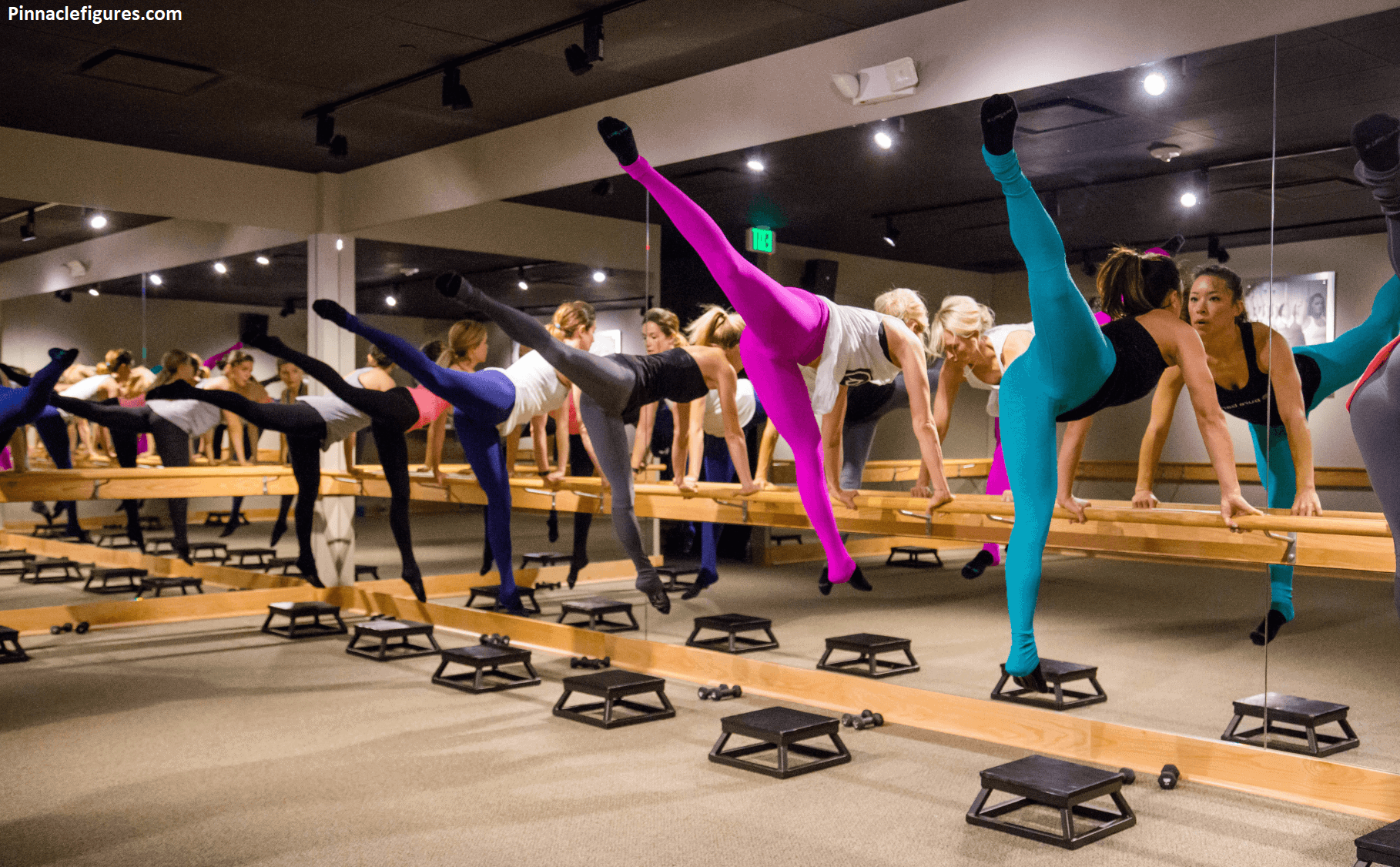
Why Pure Barre Does not Work? Pure Barre is often marketed as a transformative workout, but many people find it falls short of expectations.
The movements are low impact and small in range, which limits muscle activation and overall calorie burn compared to more intense forms of exercise.
It lacks the progressive overload necessary for significant strength or muscle growth, meaning your body adapts quickly and results plateau fast.
The classes also tend to be repetitive, making it easy to go through the motions without real effort.
For weight loss or serious toning goals, Pure Barre alone is rarely enough without combining it with cardio and proper nutrition.
Table of Contents
Quick Table
| Reason | The Problem | What Works Better |
|---|---|---|
| Low Calorie Burn | Minimal intensity means fewer calories burned | HIIT or cardio-based workouts |
| No Progressive Overload | Resistance never increases, muscles stop growing | Weight training with progression |
| Limited Range of Motion | Small isometric moves limit full muscle activation | Compound lifts, yoga, Pilates |
| Body Adapts Quickly | Results plateau fast after initial weeks | Rotate workout styles regularly |
| Repetitive Classes | Same movements reduce effort and engagement | Varied class formats and training |
| Not Enough for Weight Loss | Low burn without diet changes leads to no loss | Combine with nutrition and cardio |
| Weak Core Challenge | Core work is surface level, not deeply functional | Planks, deadlifts, ab-focused training |
| Overpriced for Results | High cost does not match transformation delivered | Gym membership with personal trainer |
Why Pure Barre Does not Work?
Let me set the scene. It was January — because of course it was — and I was standing in a bright, studio-pink locker room lacing up a pair of sticky grip socks I had just paid $14 for.
The woman next to me had calves that looked sculpted out of marble. I was already intimidated before I’d done a single pulse.
I had done my research. I’d watched the before-and-after reels on Instagram, read the blog posts swearing that Pure Barre changed someone’s body in six weeks, and I had a friend who swore by it.
So I signed up for a three-month membership, bought the socks, and showed up three times a week like a good student.
friend who swore by it. So I signed up for a three-month membership, bought the socks, and showed up three times a week like a good student.
Three months later, I weighed exactly the same. My arms hadn’t changed. My thighs were maybe — maybe — slightly less jiggly. And I was frustrated, confused, and honestly a little embarrassed I’d spent all that money.
So I started digging into why. And what I found wasn’t that Pure Barre is a scam — it isn’t. It’s that there’s a big gap between what it’s marketed to do and what it can realistically deliver. Here’s the honest breakdown.
First, what Pure Barre actually is
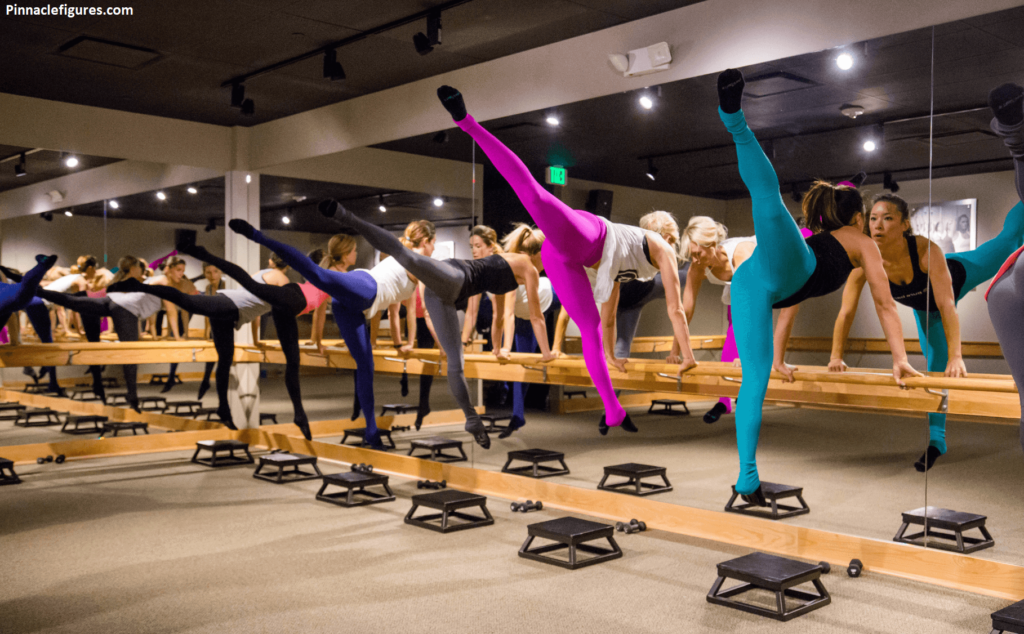
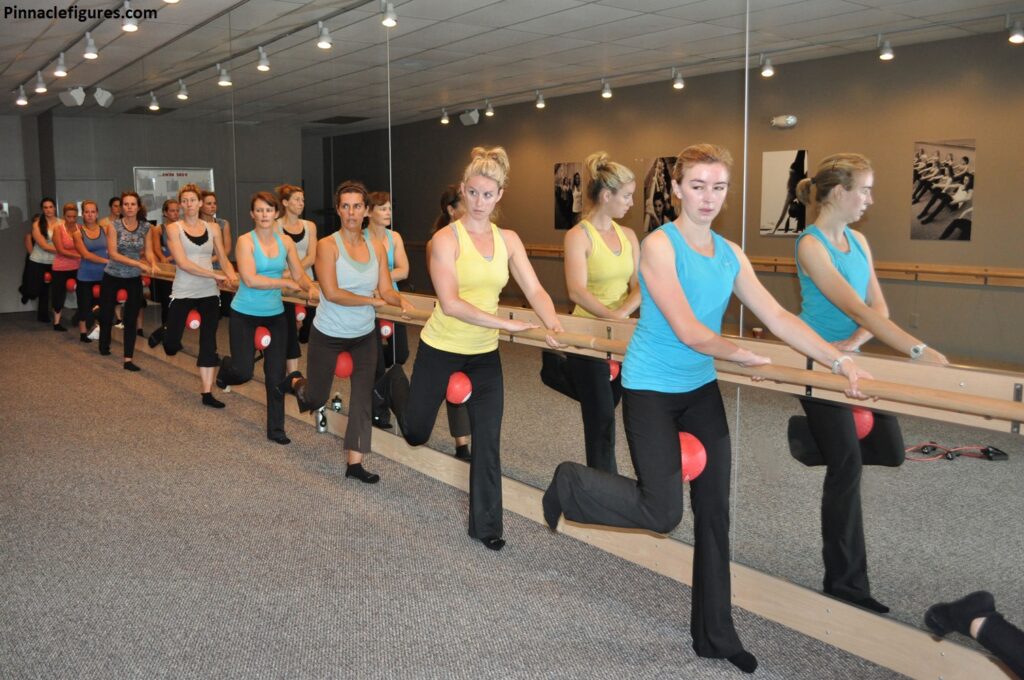
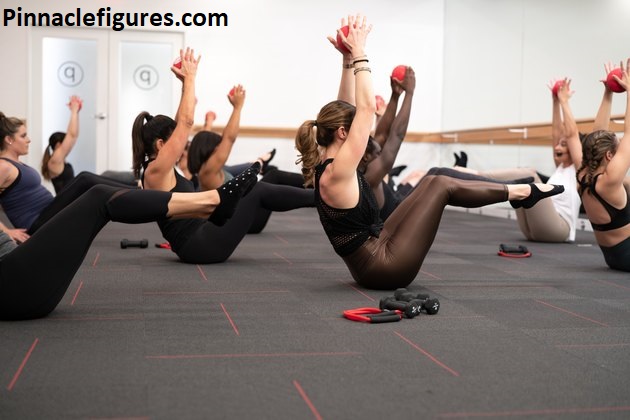
Pure Barre is a low-impact workout that uses a ballet barre, light weights (usually 2–3 lbs), resistance bands, and a lot of small isometric movements — the famous “tuck and pulse” sequence.
The whole vibe is controlled, graceful, and relatively quiet. No jumping, no heavy breathing (usually), no intimidating barbells.
That’s genuinely appealing. Especially if you’ve had a knee injury, you hate the gym floor, or you just want something that feels elegant rather than aggressive. I get the appeal — I felt it myself.
But the marketing often implies that this gentle, low-impact class will dramatically transform your physique. And that’s where things get complicated.
“The marketing says ‘long, lean muscles.’ Your body’s actual biology doesn’t work that way — and that’s not Pure Barre’s fault. It’s just not true.”
The real reasons it didn’t work for me — and might not work for you
- The calorie burn is much lower than people expectA 55-minute Pure Barre class burns somewhere between 250–400 calories depending on your size and effort level. That sounds decent until you realize a brisk 45-minute walk can do the same thing. For body composition change, calorie deficit matters — and Pure Barre alone often doesn’t create enough of one, especially if you treat yourself to a smoothie after class (speaking from experience).
- The weights are too light to build meaningful muscleThis one genuinely surprised me. Pure Barre uses 2–3 lb dumbbells. For most adults, that’s nowhere near enough resistance to trigger hypertrophy — the process by which your muscles actually grow and reshape. You need progressive overload for that: gradually increasing resistance over time. Barre keeps the weights fixed and light, which means after the first few weeks, your muscles adapt and stop being challenged in the same way.
- “Toning” without nutrition change is mostly a mythThe word “toning” is everywhere in barre marketing. But physiologically, there’s no such thing as toning without building muscle or losing fat — or both. If your nutrition stays the same, you’re unlikely to see visible body composition changes regardless of what workout you’re doing. I was eating the exact same way I had been before. Of course nothing changed.
- It doesn’t challenge your cardiovascular system enoughFor real cardiovascular fitness improvements — VO2 max, heart health, endurance — you need to get your heart rate up consistently. Most Pure Barre classes keep you in a very moderate zone. There’s no interval training, no sustained cardio push. If cardiovascular fitness is a goal, you’ll need to supplement with something else.
- Three times a week isn’t always enoughThe studio recommends 3–4 classes per week for “best results.” But if those are your only active days, and the classes themselves are moderate intensity, your total weekly movement might still be pretty low. I was sitting at a desk the other 10+ hours of each day. Pure Barre was doing some work — but it wasn’t enough to outpace a sedentary lifestyle.
- The “long lean muscles” claim is biologically misleadingThis one bothers me more than anything. The idea that barre gives you long, lean muscles — as opposed to bulky ones from lifting — is not how muscle physiology works. Your muscle length is determined by your genetics and bone structure. Exercise can grow a muscle or shrink it (through atrophy), but it doesn’t lengthen it. This claim persists because it sounds good and feels true, not because it is true.
What actually does work (and how to make Pure Barre part of it)
Here’s the thing — after all of that, I actually went back to Pure Barre. Because once I let go of the unrealistic expectations, I found real value in it.
The flexibility and mobility work is genuinely excellent. My hip flexors had never felt so open.
The core engagement cues, especially the “tuck” position, taught me to use my abs in ways that carried over into other workouts.
And honestly? It’s a beautiful hour. Calm music, low impact, thoughtful movement. Sometimes that’s exactly what your body needs.
But I stopped treating it as my primary fat-loss or muscle-building strategy. Here’s what I added alongside it:
What I changed to actually see results
- Tracked my food loosely — I used Cronometer for about six weeks just to understand where my calories were coming from. Eye-opening. I was eating about 400 more calories a day than I thought.
- Added two strength sessions per week — Basic barbell compound lifts (squats, deadlifts, rows). Not because I wanted to get “bulky” (I don’t have the hormones for that as a woman, which is another myth worth busting) but because progressive overload actually builds muscle.
- Kept Pure Barre for mobility and recovery days — It’s perfect for this. Low stress on the joints, active recovery, good for flexibility. That’s a real use case.
- Started walking more — The simplest, most underrated fat-loss tool. Aim for 8,000–10,000 steps per day and you add meaningful calorie burn without stress on your body.
Who Pure Barre actually works really well for
This isn’t a “Pure Barre is useless” piece. It genuinely is the right fit for some people and goals.
If you’re recovering from an injury and need low-impact movement, it’s great.
If you’re a dancer or someone with a movement background who wants to maintain flexibility and muscular endurance, it delivers.
If you’re stressed, sleep-deprived, and need exercise that doesn’t wreck your nervous system — perfect.
If you’re coming off a surgery, dealing with chronic pain, or just starting to move again after a long sedentary period — barre-style classes are an excellent entry point.
The form cues are detailed, the instructors are usually attentive, and nothing in the class is going to injure you if you listen to your body.
It’s also, genuinely, just a pleasant way to move. And that has value. Consistency matters more than perfection, and if Pure Barre is the class you’ll actually show up for, that counts for a lot.
Mistakes I made that made things worse
Looking back, a few things really derailed my results that had nothing to do with the class itself.
I was treating the post-class green juice as a reward — and adding back most of the calories I’d burned.
I was going to class but skipping the stretching cooldown at the end because I had to rush back to work, which meant I was constantly tight and uncomfortable.
And I went through phases of doing five classes in a week, burning out, then doing none for two weeks. That’s not a training plan, that’s chaos.
Consistency at moderate intensity beats sporadic intensity almost every time. Three times a week, every week, for six months is vastly better than five times a week for three weeks and then nothing.
A word on social media expectations
The before-and-afters you see on Instagram and TikTok for any workout program — not just Pure Barre — are almost always showing you someone who also changed their diet, got better sleep, reduced stress, or is using flattering lighting and a pump from the post-workout window.
The workout is rarely the only variable.
That’s not cynicism. It’s just how results work. Exercise is probably the least efficient lever for weight loss (nutrition is far more powerful), but it’s enormously important for health, longevity, muscle retention, mood, and sleep quality.
Knowing this changes how you approach it — from “this workout will transform my body” to “this workout is part of how I take care of myself.”
FAQ’s
Is Pure Barre completely useless as a workout?
Not entirely. Pure Barre can improve flexibility, posture, and balance, especially for beginners. The issue is that it is often oversold as a complete fitness solution when it works best as a supplementary workout rather than a standalone program.
How long does it take to see results from Pure Barre?
Some people notice improved posture and muscle tone within 4 to 6 weeks of consistent classes. However, significant body composition changes are unlikely without combining it with cardio exercise and a proper nutrition plan.
Why do so many people love Pure Barre if it doesn’t work well?
The community atmosphere, low injury risk, and gentle movements make it enjoyable and accessible. Many people value it for stress relief and flexibility rather than serious fitness transformation.
Can Pure Barre help with weight loss?
It can contribute slightly, but the calorie burn per class is relatively low. Weight loss requires a consistent calorie deficit, which Pure Barre alone rarely creates without significant dietary changes.
What should I combine with Pure Barre for better results?
Pair it with strength training, cardio sessions like running or cycling, and a balanced nutrition plan for noticeable and lasting fitness results.
Conclusion
Pure Barre is not a bad workout — it is simply a misunderstood one. The problem lies not in the method itself but in the unrealistic expectations that aggressive marketing creates around it.
Promising dramatic toning, weight loss, and full body transformation from small, low impact movements sets many participants up for disappointment when the scale does not move and the results do not match the hype.
The truth is that Pure Barre has genuine value for specific goals. It builds flexibility, improves posture, enhances balance, and offers a low impact option for people recovering from injury or looking for a gentler form of movement.
For those goals, it genuinely delivers. The disconnect happens when people rely on it exclusively for fat loss or significant muscle building, two outcomes it was never truly designed to produce.
Fitness is never one size fits all, and no single workout can do everything. Pure Barre works best as one piece of a larger, well rounded fitness routine rather than the entire program.
Combine it with progressive strength training, cardiovascular exercise, and smart nutrition, and you will finally start seeing the results you originally signed up for. Work smarter, not just at the barre.
