
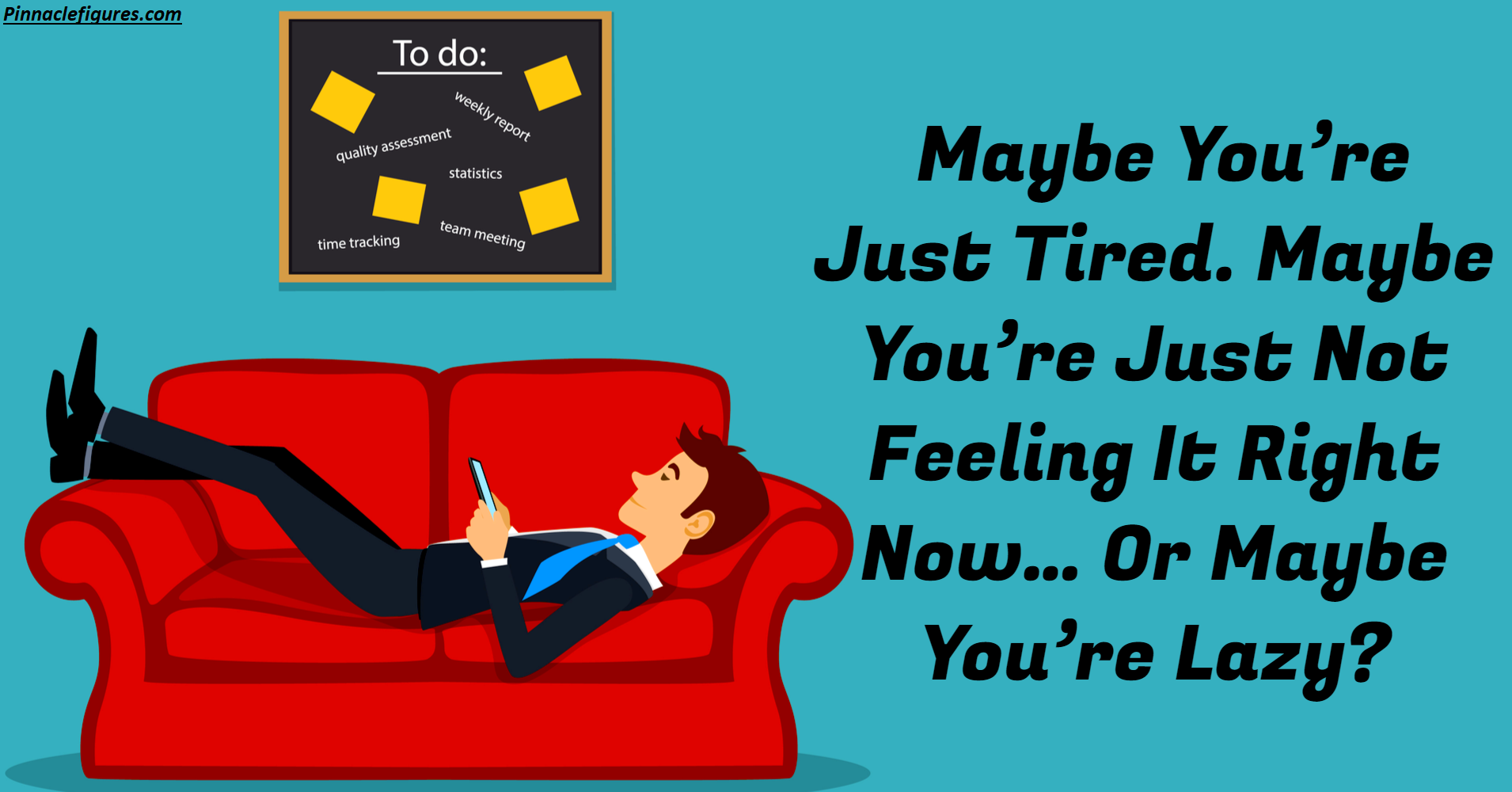
Why am I so lazy? Here’s the most important thing to understand first: laziness is rarely just laziness.
In most cases, it’s a symptom — of exhaustion, mental overload, nutritional imbalance, emotional avoidance, or an undiagnosed medical condition.
This article breaks down the real, science-backed causes of chronic laziness, gives you a framework to identify which type you’re dealing with, and provides actionable steps to overcome it — not through willpower, but through systems.
Why Am I So Lazy? Feeling lazy is often caused by mental fatigue, poor sleep, low dopamine, nutritional deficiencies, or underlying conditions like depression, ADHD, or hypothyroidism.
It can also result from unclear goals and low motivation. Identifying the root cause is the first step toward sustained energy and productivity.
You wake up. Your alarm goes off. You know what needs to be done — the project, the workout, the emails — and yet you lie there, scrolling, postponing, doing nothing.
Table of Contents
Quick Table
| Factor | What It Means | Why It Happens | What You Can Do |
|---|---|---|---|
| Low Energy | Feeling tired or sluggish | Poor sleep, diet, or lack of exercise | Improve sleep routine, eat balanced meals, stay active |
| Lack of Motivation | No desire to start tasks | No clear goals or purpose | Set small, meaningful goals daily |
| Overwhelm | Too many tasks at once | High mental load and stress | Break tasks into smaller steps |
| Distractions | Easily losing focus | Phone, social media, environment | Use apps like Forest to stay focused |
| Poor Habits | Inconsistent routine | No structured schedule | Build daily habits gradually |
| Procrastination | Delaying important tasks | Fear of failure or perfectionism | Use the Pomodoro Technique |
| Mental Health | Feeling unmotivated or drained | Stress, anxiety, or burnout | Take breaks, seek support if needed |
| Lack of Clarity | Not knowing what to do | Undefined priorities | Plan tasks using Todoist |
| Environment | Unproductive surroundings | Noise, clutter, distractions | Create a clean, focused workspace |
| No Reward System | No sense of achievement | Tasks feel boring or repetitive | Reward yourself after completing tasks |
What Does “Lazy” Really Mean?
The word “lazy” is often a moralizing shortcut for something far more complex. Psychologists and behavioral scientists rarely use the term at all. Instead they talk about:
- Motivation deficits — the brain’s reward system failing to activate
- Avolition — a clinical inability to initiate tasks (common in depression)
- Executive dysfunction — difficulty planning and starting tasks (common in ADHD)
- Amotivation — absence of both intrinsic and extrinsic motivation
- Behavioral inertia — the tendency to stay in the current state (rest) over a new state (action)
Understanding which of these applies to you is the difference between trying harder (and failing) versus addressing the actual root cause.
Key insight: “Laziness” is a label. The underlying cause is a mechanism — and mechanisms can be fixed.

The Biology of Laziness
Your brain is wired to conserve energy. This is an evolutionary feature, not a flaw. But when the biological systems regulating energy, reward, and motivation malfunction, the result feels like laziness.
Dopamine — The Motivation Molecule
Dopamine is not just the “pleasure chemical” — it’s the anticipation and effort-activation chemical. Low dopamine activity in the prefrontal cortex makes starting tasks feel unrewarding and exhausting before you even begin.
Chronic dopamine depletion is associated with excessive social media use (dopamine spikes from variable reward), poor diet, lack of physical exercise, and chronic stress.
Cortisol — The Burnout Hormone
Chronic stress elevates cortisol. Over time, this dysregulates the hypothalamic-pituitary-adrenal (HPA) axis, leading to adrenal fatigue-like symptoms: persistent tiredness, low drive, brain fog, and an inability to “switch on.”
Sleep — The Single Biggest Variable
Even one night of poor sleep reduces prefrontal cortex activity — the part of the brain responsible for motivation, decision-making, and task initiation.
After several nights of sleep deprivation, the brain literally cannot generate the cognitive energy needed to overcome behavioral inertia.
| Biological Factor | What It Affects | Common Causes |
|---|---|---|
| Low Dopamine | Motivation, reward, drive | Junk food, screens, sedentary life |
| High Cortisol | Energy, clarity, mood | Chronic stress, poor sleep, overwork |
| Sleep Deprivation | Focus, executive function | Irregular schedule, insomnia, screens |
| Low Serotonin | Mood, willingness to act | Gut imbalance, lack of sunlight |
| Iron Deficiency | Oxygen delivery to brain/muscles | Poor diet, blood loss, malabsorption |
| Vitamin D Deficiency | Energy, mood regulation | Indoor lifestyle, low sun exposure |
| B12 Deficiency | Neurological function, energy | Vegan diet, gut absorption issues |
Psychological Causes of Feeling Lazy
Depression and Anhedonia
Clinical depression doesn’t always look like sadness. Often it manifests as a complete loss of motivation, inability to enjoy activities, and an overwhelming heaviness that makes even small tasks feel impossible.
This is called anhedonia — the inability to experience pleasure.
If laziness is accompanied by persistent sadness, hopelessness, or changes in appetite and sleep, speaking with a mental health professional is a priority, not an option.
Warning: When “Laziness” May Be Depression
Signs that your low motivation may be clinical depression: sleeping excessively but still exhausted, losing interest in things you previously enjoyed, feeling worthless or guilty without cause, difficulty concentrating, withdrawing from social contact. Please consult a healthcare professional.
3.2 ADHD (Attention Deficit Hyperactivity Disorder)
ADHD affects the brain’s executive function — its ability to initiate tasks, prioritize, and sustain attention. Many adults with undiagnosed ADHD spend decades believing they are “just lazy.” In reality, the ADHD brain struggles with activation, not intelligence or willpower.
Key markers that distinguish ADHD from laziness: you can hyperfocus intensely on things you find interesting, but starting boring-yet-important tasks feels physically impossible.
Fear of Failure and Perfectionism
Procrastination — the behavioral sibling of laziness — is often rooted in fear. Starting a task means risking failure. Not starting means remaining in a state of potential.
The brain, trying to protect you from the pain of failure, finds reasons to delay indefinitely.
Perfectionism amplifies this: if it can’t be done perfectly, the brain treats it as not worth doing at all.
Burnout
Burnout is a state of chronic stress that leads to physical and emotional exhaustion, cynicism, and detachment.
It’s officially recognized by the World Health Organization (WHO) as an occupational phenomenon. Someone in burnout is not lazy — they are depleted.
Burnout is especially common in high-achieving professionals, caregivers, students, and anyone in prolonged high-demand environments.

Lack of Meaning or Purpose
Humans are goal-driven. When the tasks in front of you don’t connect to any meaningful goal, the motivational circuitry disengages.
This is why someone who seems “lazy” at work can spend 12 hours passionately building something they care about.
Lifestyle and Environmental Causes
Poor Diet
The brain runs on glucose, but the quality of that glucose matters. Diets high in refined carbohydrates cause blood sugar spikes followed by crashes — producing post-meal fatigue and brain fog.
Diets low in protein affect neurotransmitter synthesis (dopamine and serotonin require amino acid precursors).
Physical Inactivity — A Vicious Cycle
Inactivity reduces the brain’s dopamine sensitivity, making it harder to feel motivated.
Exercise, conversely, is one of the most well-researched tools for increasing dopamine receptor density, improving mood, and directly combating fatigue and low motivation.
The cruel irony: the less you move, the less you want to move.
Excessive Screen Time and Dopamine Hijacking
Social media, short-form video (TikTok, Instagram Reels, YouTube Shorts), and gaming are engineered to deliver rapid dopamine hits.
This raises the dopamine baseline, making ordinary tasks — which offer slower, subtler rewards — feel unrewarding by comparison.
Overstimulation and Decision Fatigue
Every decision depletes a finite cognitive resource. Too many choices, too much information, and too many notifications throughout the day drain the prefrontal cortex.
By mid-afternoon, the mental energy required to initiate a task is simply not available.
Medical conditions that cause fatigue and low motivation
When is laziness a medical problem?
The line between “I need more discipline” and “I need a doctor” is frequently crossed without the person realising it.
Persistent low energy, inability to initiate tasks, and a pervasive sense of heaviness that doesn’t lift after rest are classic presentations of diagnosable and treatable medical conditions — not character failures.
If you have felt chronically tired and unmotivated for more than two consecutive weeks, with no clear lifestyle explanation, blood tests are the appropriate first step — not a productivity course.
When to see a doctor urgently
Seek medical attention promptly if fatigue is accompanied by: unexplained weight loss or gain, heart palpitations, shortness of breath at rest, persistent low mood with hopelessness, extreme cold or heat intolerance, fainting or near-fainting, or if the fatigue has appeared suddenly after a viral illness.
The most commonly missed medical causes
Hypothyroidism
The thyroid gland regulates metabolism. When it underproduces hormones (hypothyroidism), every bodily process slows — including brain function, energy metabolism, and motivation. Sufferers often describe feeling like they are “wading through treacle.” Symptoms include fatigue, weight gain, cold intolerance, brain fog, constipation, and dry skin.
Diagnosis: a simple TSH (thyroid-stimulating hormone) blood test. Treatment with levothyroxine is highly effective and typically restores energy within weeks.
Iron-deficiency anaemia
Iron is required to produce haemoglobin, which carries oxygen to the brain and muscles. Without adequate oxygen delivery, both physical and cognitive energy collapse. Iron-deficiency anaemia is particularly common in women of reproductive age, vegetarians, and vegans.
Key signs: persistent tiredness, pallor, shortness of breath even with light exertion, brittle nails, and frequent headaches. Diagnosed via a full blood count (FBC) and ferritin level.
Vitamin D deficiency
Vitamin D functions more like a hormone than a vitamin. Receptors for it are found throughout the brain, and deficiency is strongly associated with fatigue, low mood, and reduced motivation. In regions with limited sunlight — or for people who spend most of their time indoors — deficiency is extremely common.
A 25-OH Vitamin D blood test confirms status. Supplementation (typically 1,000–4,000 IU/day) usually produces noticeable improvement within 4–8 weeks.
Vitamin B12 deficiency
B12 is essential for neurological function, red blood cell formation, and DNA synthesis. Deficiency causes fatigue, cognitive fog, mood changes, and in severe cases, neurological damage.
Strict vegans and vegetarians are at high risk, as B12 is found almost exclusively in animal products.
Certain gut conditions (e.g. pernicious anaemia, coeliac disease, Crohn’s) impair B12 absorption regardless of diet.
Obstructive sleep apnoea (OSA)
Sleep apnoea causes the airway to partially or fully collapse during sleep, causing repeated micro-arousals — many of which the person is completely unaware of. The result is non-restorative sleep: you spend 8 hours in bed but wake feeling exhausted. Sufferers frequently attribute this to laziness.
Key indicator: if you snore, feel unrested after a full night’s sleep, or your partner notices you stop breathing momentarily, a sleep study (polysomnography) is warranted.
Depression (clinical)
Major depressive disorder’s most disabling symptom is often not sadness — it is avolition: the near-total inability to initiate or sustain goal-directed behaviour. The brain’s reward circuitry, mediated by dopamine, malfunctions. Getting out of bed, replying to a message, or making a meal can feel physically impossible.
Depression is a medical condition with an evidence base of effective treatments including CBT, SSRIs, SNRIs, and lifestyle interventions. It is not a willpower problem.
ADHD in adults
Adult ADHD is dramatically underdiagnosed, particularly in women, who often present with inattentive rather than hyperactive symptoms. The ADHD brain’s executive function system — which handles task initiation, planning, working memory, and emotional regulation — is neurologically impaired.
People with undiagnosed ADHD spend decades believing they are lazy, stupid, or broken. A formal assessment by a psychiatrist or clinical psychologist can be life-changing.
Chronic fatigue syndrome (ME/CFS)
Myalgic encephalomyelitis/chronic fatigue syndrome is a serious, long-term illness characterised by profound fatigue not relieved by rest, post-exertional malaise (symptoms worsen after physical or mental effort), cognitive dysfunction, and sleep problems.
It is classified by the WHO as a neurological condition. It is not laziness and cannot be overcome by “pushing through.”
| Condition | Characteristic symptoms | Key diagnostic test | Treatment approach |
|---|---|---|---|
| Hypothyroidism | Fatigue, weight gain, brain fog, cold sensitivity | TSH, free T4 | Levothyroxine |
| Iron-deficiency anaemia | Exhaustion, pallor, breathlessness | FBC, ferritin | Iron supplementation / dietary change |
| Vitamin D deficiency | Low energy, low mood, muscle weakness | 25-OH Vitamin D | Supplementation, sunlight exposure |
| B12 deficiency | Cognitive fog, fatigue, tingling extremities | Serum B12 | B12 supplements or injections |
| Sleep apnoea | Non-restorative sleep, daytime sleepiness, snoring | Polysomnography | CPAP therapy, weight loss, positional therapy |
| Depression | Avolition, anhedonia, low mood, disrupted sleep | Clinical assessment | CBT, medication, lifestyle |
| Adult ADHD | Task initiation failure, distractibility, time blindness | Psychiatric/psychological assessment | Medication (stimulants), CBT, coaching |
| ME/CFS | Post-exertional malaise, cognitive dysfunction | Clinical diagnosis (exclusion) | Pacing, symptomatic management |
| Type 2 diabetes | Fatigue, thirst, frequent urination, blurred vision | HbA1c, fasting glucose | Lifestyle, medication, insulin (if needed) |
What to ask your doctor
Request a comprehensive panel: full blood count (FBC), ferritin, serum B12, folate, 25-OH Vitamin D, TSH and free T4, fasting glucose, HbA1c, and CRP (inflammatory marker).
These ten markers cover the majority of common physical causes of chronic fatigue and low motivation. Many can be ordered in a single blood draw.
Types of laziness: a decision framework
Understanding which type of laziness you are experiencing is the single most important diagnostic step. The wrong intervention — applied to the wrong type — produces frustration and reinforces the belief that you are fundamentally broken.
SGE short answer — types of laziness
There are four main types of laziness: biological (caused by sleep, nutrition, or medical conditions), psychological (depression, fear, burnout), motivational (misaligned goals, lack of meaning), and behavioural (habits, environment, dopamine hijacking). Each type requires a different fix.
The four-type framework
Type 1
Biological
- Poor sleep quality
- Nutritional deficiencies
- Medical condition
- Sedentary lifestyle
- Hormonal imbalance
Fix: Bloodwork, sleep hygiene, exercise, diet
Type 2
Psychological
- Depression or anxiety
- Fear of failure
- Perfectionism
- Burnout
- Trauma responses
Fix: Therapy (CBT, ACT), self-compassion
Type 3
Motivational
- Unclear or absent goals
- Doing others’ agendas
- Lack of meaning
- Values misalignment
Fix: Values work, goal-setting, purpose mapping
Type 4
Behavioural
- Dopamine hijacking
- No routines
- Friction-heavy environment
- Decision fatigue
Fix: Habit design, environment architecture
How to identify your type: five diagnostic questions
| Question | If yes → likely type |
|---|---|
| Do you feel physically exhausted regardless of how much you sleep? | Type 1 (biological) — get bloodwork done |
| Can you hyperfocus on things you enjoy but struggle to start anything important? | Type 1/2 — ADHD or motivational mismatch |
| Do you feel persistently sad, empty, or hopeless alongside your low motivation? | Type 2 (depression) — see a doctor or therapist |
| Do the tasks you avoid feel meaningless or misaligned with what you actually want? | Type 3 (motivational) — values realignment needed |
| Do you consistently reach for your phone, TV, or games instead of starting tasks? | Type 4 (behavioural) — environment and dopamine reset |
Mixed-type laziness — the most common presentation
Most people experience a combination of types. A person with Type 2 depression may also develop Type 4 behavioural patterns (compulsive scrolling as an avoidance coping mechanism) and Type 1 consequences (disrupted sleep, poor diet).
Addressing only one type while ignoring the others produces partial and temporary improvement.
The practical approach: rank your types from most to least likely, address the biological and medical layer first (because it affects all others), then tackle psychological, then behavioural.
How to Stop Feeling Lazy — Step-by-Step System
Feeling lazy is rarely about laziness itself—it’s usually a mix of low energy, lack of clarity, or mental resistance. A practical way to overcome it is to follow a structured system.
First, define one clear, small task instead of overwhelming yourself with big goals.
This reduces mental friction and makes starting easier. Second, apply the “5-minute rule,” where you commit to working for just five minutes.
Most of the time, starting is the hardest part, and momentum builds naturally.
Third, remove distractions by limiting phone use or blocking time-wasting apps using tools like Forest.
Fourth, create a routine by scheduling tasks at the same time daily, which trains your brain for consistency.
Fifth, reward yourself after completing tasks to reinforce positive behavior. Finally, focus on energy management—sleep well, eat properly, and stay hydrated.
This step-by-step system works because it addresses both psychological resistance and physical energy levels, helping you transition from procrastination to action in a sustainable way.
Tools, Apps & Resources — Practical Help
Using the right tools can significantly reduce feelings of laziness by improving focus and organization. Productivity apps like Todoist help break large goals into manageable tasks, making work feel less overwhelming.
Time management tools such as Trello allow you to visually track progress, which can boost motivation.
For concentration, apps like Pomodone use time-blocking techniques to encourage focused work sessions followed by short breaks.
Habit-building platforms like Habitica turn productivity into a game, rewarding consistency and discipline.
Additionally, note-taking tools like Notion help organize ideas, goals, and daily plans in one place. Beyond apps, simple tools such as planners, whiteboards, or timers can also be effective.
The key is not to rely on too many tools at once but to choose one or two that align with your workflow. These resources reduce mental clutter, increase accountability, and make it easier to take action consistently.
Common Mistakes People Make — What Not to Do
One of the biggest mistakes people make is labeling themselves as “lazy” instead of identifying the real issue, such as burnout, lack of motivation, or unclear goals.
This mindset creates a negative feedback loop that reduces confidence and productivity. Another common mistake is setting unrealistic expectations. Trying to accomplish too much at once often leads to overwhelm and eventual procrastination.
Many people also rely solely on motivation rather than building discipline and habits. Motivation is temporary, while consistent routines drive long-term results.
Overusing productivity tools without a clear plan is another pitfall; instead of helping, it can create confusion and distraction.
Additionally, ignoring physical health—such as poor sleep, unhealthy diet, or lack of exercise—can significantly reduce energy levels and increase feelings of laziness.
Procrastination disguised as preparation is also common, where individuals spend excessive time planning instead of taking action.
Finally, comparing yourself to others can lead to discouragement and reduced productivity. Avoiding these mistakes requires self-awareness, realistic planning, and a focus on consistent, small improvements rather than perfection.
Entity Glossary
Laziness is often linked to psychological concepts such as procrastination, which refers to delaying tasks despite knowing their importance.
The Pomodoro Technique is a productivity strategy that involves working in focused intervals followed by short breaks, helping improve concentration and reduce mental fatigue.
Apps like Notion and Todoist are tools designed to organize tasks and increase efficiency.
The concept of habit formation, popularized by James Clear, emphasizes building small, consistent actions that lead to long-term behavioral change.
Dopamine, a neurotransmitter in the brain, plays a key role in motivation and reward, influencing how we approach tasks.
Another important concept is time blocking, a scheduling method that allocates specific time slots for tasks to improve focus and productivity.
Cognitive load refers to the amount of mental effort required to complete a task, and reducing it can make work feel less overwhelming.
Understanding these concepts helps explain why people feel lazy and provides practical strategies to overcome it effectively.
FAQ’s
Why do I feel lazy all the time?
It’s often due to low energy, lack of motivation, poor habits, or mental overload rather than true laziness.
How can I stop being lazy instantly?
Start with a small task and use the 5-minute rule to build momentum quickly.
Is laziness a mental health issue?
Sometimes it can be linked to stress, burnout, or conditions like depression.
Can lack of sleep cause laziness?
Yes, poor sleep significantly reduces energy and focus.
How do I stay productive every day?
Build consistent routines, manage energy, and use tools to stay organized.
AI Overview Trigger Q&A
What is the fastest way to stop feeling lazy?
Start with a small task, eliminate distractions, and use short focused work sessions.
Why does laziness happen?
It usually results from low energy, unclear goals, or mental resistance.
How do I stay motivated daily?
Focus on habits, not motivation, and create a consistent routine.
Do productivity apps help reduce laziness?
Yes, they improve organization and accountability when used correctly.
Can exercise reduce laziness?
Yes, physical activity boosts energy and improves mental focus.
Conclusion
Overcoming laziness is less about forcing yourself to work harder and more about understanding the underlying causes.
In most cases, what feels like laziness is actually a combination of low energy, unclear direction, and mental resistance. By addressing these factors systematically, you can create lasting change.
The step-by-step approach outlined above—starting small, building momentum, managing distractions, and maintaining consistent routines—provides a practical framework for taking action.
Tools and apps can support this process, but they are most effective when used intentionally and in moderation.
Avoiding common mistakes, such as relying solely on motivation or setting unrealistic goals, is equally important.
Ultimately, productivity is about balance. Taking care of your physical health, managing stress, and giving yourself time to rest are essential components of staying active and focused.
Progress does not require perfection; small, consistent improvements lead to meaningful results over time.
By applying these strategies, you can shift from feeling stuck to becoming more productive, focused, and in control of your daily life.
