
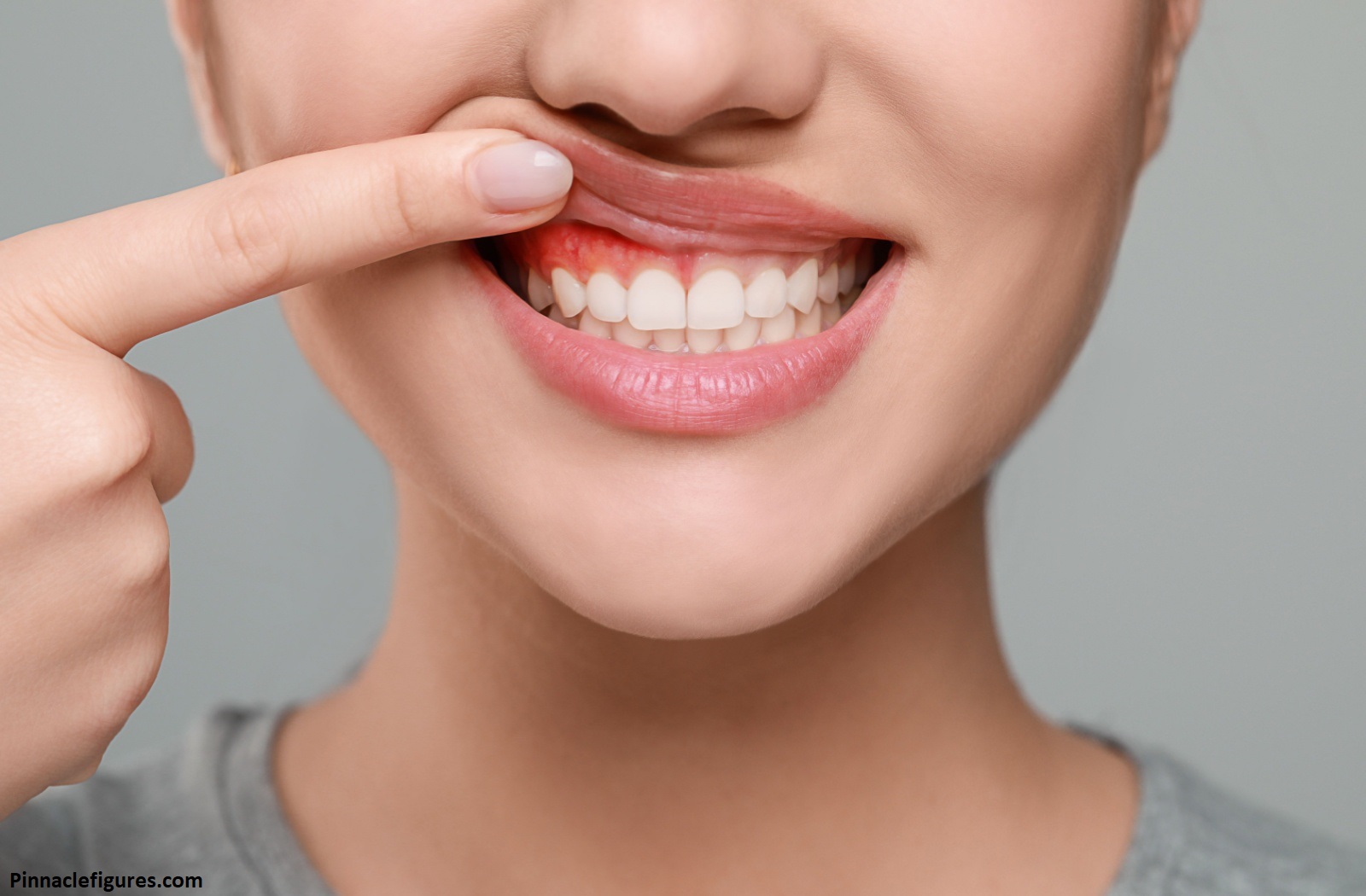
Why Do My Gums Suddenly Hurt? Sudden gum pain can catch you completely off guard — and it usually means something in your mouth needs attention.
The most common causes include gum disease, food particles trapped between teeth, a minor injury from hard or sharp food, or brushing too aggressively.
Hormonal changes, stress, and vitamin deficiencies can also cause gums to become tender and inflamed seemingly out of nowhere.
Sometimes the culprit is something as simple as a new toothpaste or mouthwash irritating sensitive tissue.
If the pain persists beyond a few days, worsens, or is accompanied by swelling or bleeding, seeing a dentist promptly is strongly recommended.
Table of Contents
Quick Table
| Cause | What happens | Common symptom | Urgency |
|---|---|---|---|
| Gum disease | Bacteria build up along the gum line causing infection | Swelling, bleeding, bad breath | See dentist |
| Trapped food | Debris lodged between teeth irritates gum tissue | Localised pain, tenderness | Floss & monitor |
| Aggressive brushing | Hard bristles or excess pressure damages gum tissue | Soreness, receding gums | Adjust technique |
| Mouth injury | Sharp or hard food cuts or bruises gum surface | Sharp pain at specific spot | Monitor healing |
| Hormonal changes | Fluctuating hormones increase gum sensitivity | General tenderness, inflammation | Monitor |
| Vitamin deficiency | Low vitamin C or D weakens gum tissue health | Sore, bleeding, or swollen gums | Check diet |
| Irritating products | New toothpaste or mouthwash inflames sensitive tissue | Burning or stinging sensation | Switch products |
| Stress | Weakens immune response, increasing inflammation risk | Generalised gum soreness | Monitor |
Why Do My Gums Suddenly Hurt?
“It came out of nowhere. One morning I woke up and half my mouth just… ached. My gums were tender, slightly swollen, and I hadn’t done anything differently the night before.”
Sound familiar? Sudden gum pain is one of those things that catches you completely off guard. You’re not chewing anything hard, you didn’t bite your cheek — your gums just decided to revolt
with zero warning. I’ve been there more than once, and the first time it happened, I genuinely panicked and started Googling symptoms at 1am (classic mistake — never Google symptoms at 1am).
After dealing with it myself, talking to a dentist, and doing a deep dive into what actually causes this, I want to share what I learned — because most of the time it’s not as scary as it feels.
But sometimes it is a sign you need to act fast, so let’s break it down properly.
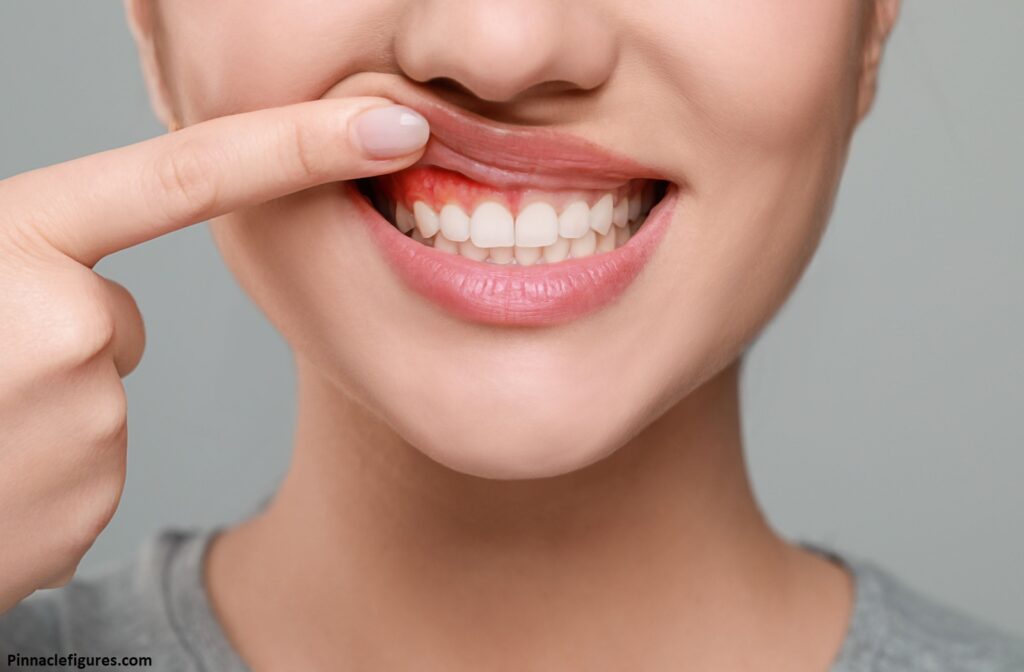
The most common culprits behind sudden gum pain
Before anything else — your gums hurt for a reason. They’re not dramatic (well, sometimes they are). Here are the most likely causes, in rough order of how commonly I’ve seen them come up:
Gum inflammation (gingivitis)
The most frequent culprit. Plaque buildup irritates the gum line and causes tenderness.
Food or debris stuck
A popcorn kernel or seed wedged between teeth can cause sharp, localized pain fast.
Gum abscess
An infection that forms a pus pocket near the gum — throbbing, intense, and needs dental care ASAP.
Teeth grinding (bruxism)
Clenching at night puts enormous pressure on your jaw and gum tissue — you wake up sore.
Canker sore or ulcer
A tiny ulcer on the gum tissue that feels way more painful than its size suggests.
Brushing too hard
Aggressive scrubbing with a stiff brush wears away gum tissue and leaves them sore for days.
Hormonal changes
Pregnancy, menstruation, or hormonal shifts make gums more sensitive and prone to inflammation.
Medication side effects
Some blood pressure and seizure medications can cause gum overgrowth and soreness.
The time I ignored it and regretted it
Here’s my honest mistake: about three years ago, my upper gum on the left side started aching pretty badly.
I assumed it was from eating chips too aggressively (totally a me thing) and just rinsed with warm salt water for a few days.
The pain faded after about a week, so I forgot about it.
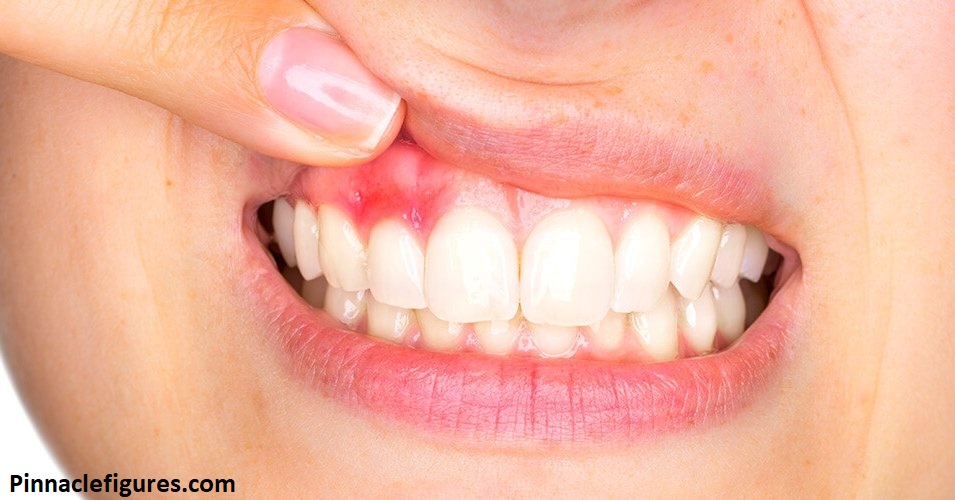
Two months later?
A full-blown abscess. The infection had been sitting there, quiet, slowly doing its thing. What would have been a quick filling and cleanup turned into a much longer, more expensive procedure. Lesson painfully learned: when pain comes back more than once, it’s not a fluke.
Don’t ignore these signs
If your gum pain comes with a fever, a visible pus pocket, severe throbbing that keeps you up at night, or significant swelling of your jaw or face — please see a dentist or go to urgent care.
An untreated abscess can spread to the jawbone or bloodstream. Don’t wait it out.
Step-by-step: how to handle sudden gum pain at home
For the cases that aren’t emergencies — the run-of-the-mill soreness, mild inflammation, or that annoying tenderness after eating something rough — here’s what actually works:
- Rinse with warm salt water. Half a teaspoon of salt in a glass of warm water. Swish for 30–60 seconds, don’t swallow. Do this 2–3 times a day. It reduces bacteria and gently soothes inflamed tissue. Old-school, cheap, genuinely effective.
- Floss gently around the area. Before you assume the worst, make sure there isn’t a food particle wedged in there. I’ve had “gum infections” that turned out to be a piece of sesame seed jammed under the gum line. Gentle flossing (not aggressive sawing) can solve this in two minutes.
- Switch to a soft-bristle toothbrush. If you’re using a medium or hard brush, this might be your whole problem. Colgate, Oral-B, and Sensodyne all make good soft-bristle options. Hold the brush at a 45-degree angle to the gum line and use light pressure — let the bristles do the work, not your arm.
- Try a hydrogen peroxide rinse. Mix equal parts 3% hydrogen peroxide with water. Swish for about a minute, then spit and rinse with plain water. Do this once daily for a few days. It kills bacteria and can noticeably reduce gum inflammation. (Don’t swallow it.)
- Apply a clove oil gel or Orajel for pain relief. If the pain is sharp and localized, a tiny amount of clove oil or an OTC numbing gel like Orajel (benzocaine-based) applied with a cotton swab gives real short-term relief. Clove oil has been used for dental pain for centuries and it genuinely works.
- Ice pack for swelling. If there’s visible puffiness, wrap ice in a cloth and hold it to your cheek for 15–20 minutes at a time. Never put ice directly on the gum — that can cause more irritation.
- Take ibuprofen if needed. Anti-inflammatory pain relievers like ibuprofen (Advil, Motrin) work better than acetaminophen for gum pain because they tackle the inflammation causing the pain, not just the pain signal itself. Follow the dosage on the packaging.
Helpful product note
Waterpik and similar water flossers are fantastic for flushing out debris under the gum line without the sharp pressure of regular floss. If you have recurring gum sensitivity, especially around crowns or bridges, a water flosser changed things significantly for me.
Why stress and sleep do more damage than you think
Here’s something I didn’t connect for years: every time I had a brutal month at work — late nights, poor sleep, living on coffee — my gums would get more sensitive. I thought it was just poor eating habits.
Turns out there’s a real biological reason for this. Chronic stress raises cortisol levels, which weakens your immune system’s ability to fight off the bacteria in your mouth.
At the same time, stress often leads to bruxism (teeth grinding), especially at night. If you wake up with jaw soreness AND tender gums, grinding is very likely involved.
Ask your dentist about a night guard — it’s one of those things that sounds annoying but makes a genuinely noticeable difference.
Worth knowing
Women often experience gum sensitivity around their period due to hormonal shifts that increase blood flow to the gums. This is normal, but if it’s severe or getting worse, it’s worth mentioning to a dentist.
Pregnancy gingivitis is also extremely common — hormones make gums more reactive to plaque, even if your oral hygiene hasn’t changed.
Common mistakes people make when their gums hurt
After going through this myself and talking to others, here are the mistakes I see come up over and over:
- Brushing harder thinking it’ll clean better. Nope. More pressure = more gum damage. Gentle circular motions at the gum line, always.
- Skipping flossing because it hurts. I know — flossing when gums are inflamed is uncomfortable. But skipping it lets the bacteria causing the inflammation keep building up. Be gentle, but keep going.
- Using mouthwash with alcohol. Alcoholic mouthwashes dry out your mouth and can irritate already-sore gum tissue. Switch to an alcohol-free version like Biotene or TheraBreath while your gums recover.
- Waiting too long to see a dentist. The “it’ll probably go away” approach works sometimes, but if pain lasts more than a week or keeps coming back, you need a professional to look at it. Gum disease is much easier to treat early.
- Self-diagnosing a “gum infection” and treating with antibiotics you have at home. Please don’t. Not all gum pain is bacterial, antibiotics don’t work on viral infections, and random antibiotic use is how resistant bacteria develop. See a dentist.
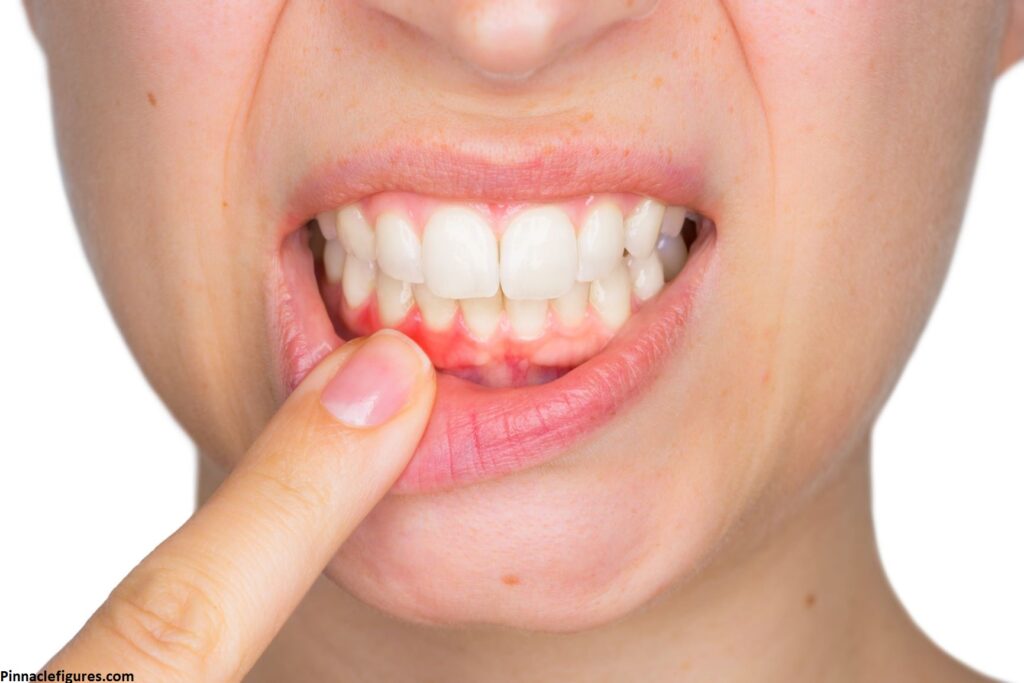
When to book a dentist appointment (like, actually soon)
You can manage mild gum discomfort at home for a few days, but make a dental appointment if:
- The pain has lasted more than 7–10 days with no improvement
- You notice bleeding that doesn’t stop after gentle brushing
- There’s visible redness, swelling, or a bump that looks like a pimple on your gum (that’s a possible abscess)
- One or more teeth feel loose
- There’s a bad taste in your mouth that doesn’t go away after rinsing
- The pain is radiating to your ear or jaw
On gum disease progression
Gingivitis (gum inflammation) is reversible with good hygiene and professional cleaning. If it progresses to periodontitis, it can permanently damage the bone supporting your teeth. The difference between the two? Time. Catching it at the gingivitis stage is infinitely easier and cheaper to fix.
A note on long-term gum health
Honestly, the biggest thing that’s helped me avoid these sudden pain episodes is just consistency.
Not fancy products or special techniques — just brushing twice a day properly, flossing every evening before bed (I keep the floss on my nightstand so I can’t ignore it), and going to the dentist twice a year for a cleaning.
The cleanings matter way more than most people realize. Even if you’re meticulous at home, plaque hardens into tartar that you physically cannot remove with a toothbrush.
A hygienist scraping that away every six months is the single biggest thing you can do to prevent the kind of slow-building gum inflammation that causes sudden pain flare-ups.
I also started using a soft electric toothbrush — specifically the Oral-B Pro series — because it has a pressure sensor that stops you from grinding into your gums.
That alone probably cut my gum sensitivity in half. A decent electric toothbrush is genuinely worth the investment if you brush hard without realizing it.

FAQ’s
How do I know if my gum pain is serious?
If your gum pain lasts more than a few days, is accompanied by swelling, bleeding, fever, or a bad taste in your mouth, it is time to see a dentist. Persistent pain is rarely something to ignore — it usually signals an underlying issue that needs professional attention.
Can stress really cause gum pain?
Yes. Stress weakens the immune system, making it harder for your body to fight off the bacteria that cause gum inflammation. Stress can also lead to teeth grinding, which puts additional pressure on gums and surrounding tissue.
Is it normal for gums to hurt when flossing?
Some mild sensitivity when starting a new flossing routine is normal. However, if your gums bleed or hurt every time you floss, it is likely a sign of early gum disease and worth mentioning to your dentist.
Can what I eat affect my gum health?
Absolutely. Sugary and acidic foods feed harmful bacteria in the mouth. A diet low in vitamin C and D can weaken gum tissue over time. Staying hydrated and eating a balanced diet directly supports healthier gums.
When should I go to the emergency dentist for gum pain?
Seek urgent dental care if you experience severe swelling, difficulty swallowing, a spreading infection, or pain so intense it disrupts sleep or daily function. These can be signs of a serious dental abscess requiring immediate treatment.
Conclusion
Sudden gum pain is your body’s way of sending a message — and it is worth listening to.
Whether the cause is something minor like a trapped piece of food or something that requires professional treatment like early gum disease, that discomfort exists for a reason.
The good news is that most causes of sudden gum pain are entirely manageable, especially when caught early.
Improving your brushing technique, flossing daily, staying hydrated, and reviewing your diet can make a significant difference in gum health over time.
Small, consistent habits protect your gums far better than occasional bursts of effort.
What makes gum pain easy to overlook is that it often starts subtly — a little tenderness here, some sensitivity there.
But ignoring early warning signs can allow minor issues to develop into more serious conditions like periodontitis, which is much harder and more expensive to treat.
Your gums support every tooth in your mouth. They deserve the same care and attention as the teeth themselves.
If the pain persists, do not wait. A dentist visit today could save you from a much bigger problem tomorrow. Your mouth — and your overall health — will thank you.
