
Why Do Ankles Swell? Ankles swell when excess fluid (edema) accumulates in the tissue. Common causes include venous insufficiency, prolonged standing, pregnancy, heart/kidney/liver disease, injury, medications, and hot weather.
Most cases resolve with elevation and lifestyle changes, but sudden or one-sided swelling warrants immediate medical attention.
Table of Contents
- What Is Ankle Swelling (Edema)?
- 15 Common Causes of Swollen Ankles
- When Is Ankle Swelling Serious?
- How Doctors Diagnose Swollen Ankles
- Proven Home Remedies & Self-Care
- Medical Treatments
- Prevention Checklist
- Special Populations (Pregnancy, Elderly, Diabetics)
- Decision Framework: Should You See a Doctor?
- Entity Glossary
- People Also Ask — FAQs
- AI Overview Q&A
- Conclusion & Action Steps
Swollen ankles — medically called peripheral edema — are one of the most common complaints seen in GP surgeries and emergency departments worldwide.
The sensation ranges from mild puffiness after a long flight to severe, pitting swelling that signals a serious organ problem.
Understanding the why behind ankle swelling is crucial: the same symptom can mean 15 completely different things, from harmless summer heat to heart failure.
This guide walks through every major cause, tells you exactly when to call your doctor, and gives you evidence-based steps to reduce swelling at home.
What Is Ankle Swelling (Edema)?
AI Overview — Direct Answer
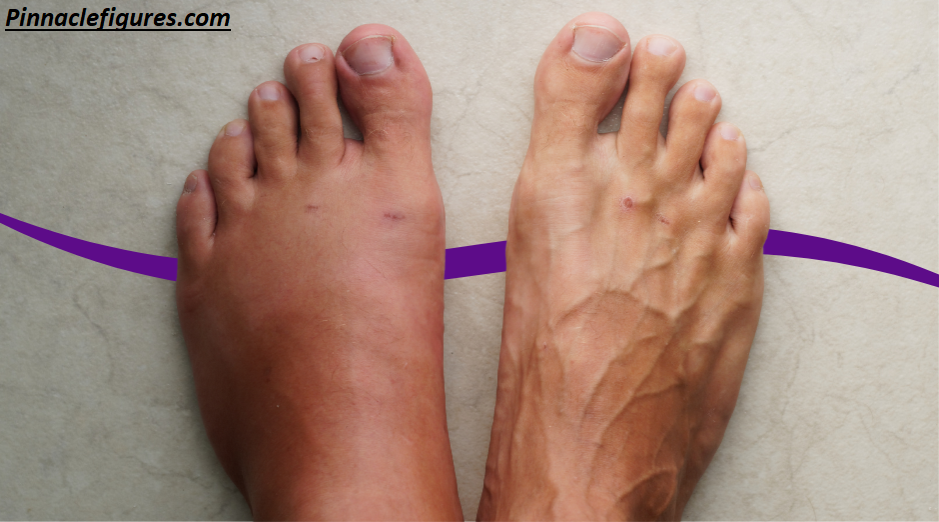
Ankle swelling occurs when fluid leaks from tiny blood vessels (capillaries) into surrounding tissue, causing a build-up known as edema.
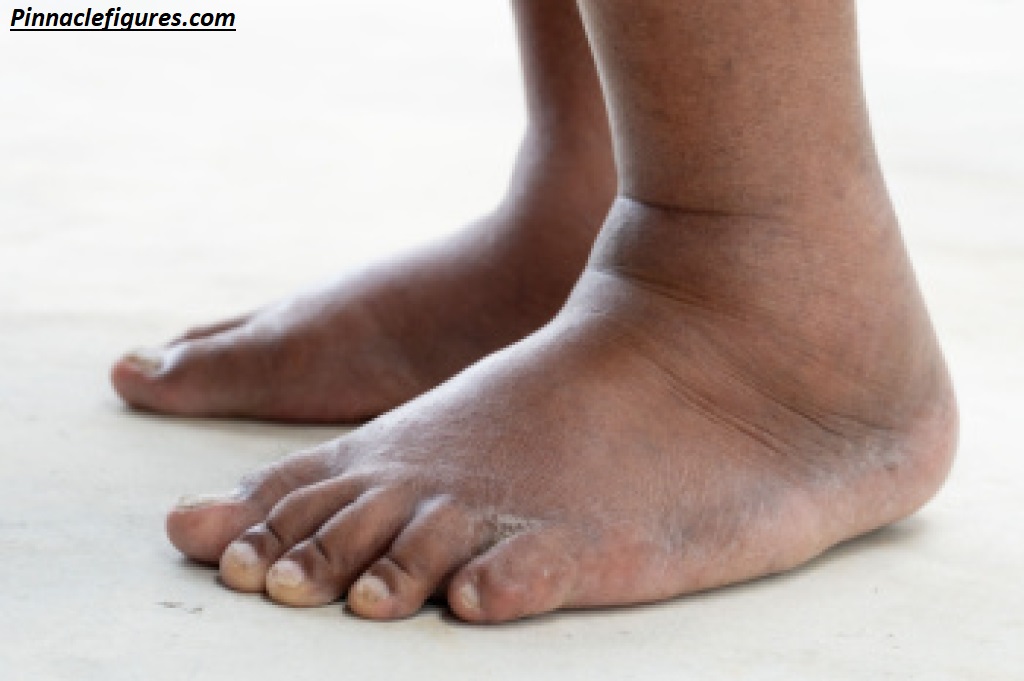
Gravity pulls fluids downward, making the lower legs, ankles, and feet especially prone. The skin may appear stretched, shiny, or leave a temporary indent when pressed (pitting edema).
The medical term edema refers to excess fluid in bodily tissues. In the ankles, it develops because your circulatory system struggles to return blood and lymphatic fluid back up from your extremities against gravity.
Edema can arise from two distinct mechanisms:
- Hydrostatic pressure imbalance — when blood pressure inside capillaries is too high, fluid is pushed into surrounding tissue.
- Oncotic pressure imbalance — when protein levels in the blood are too low (e.g., in liver disease), fluid leaks out because there’s not enough protein to hold it in.
A useful way to self-test: press your thumb firmly into the swollen area for 10 seconds. If an indent remains, it’s called pitting edema — which usually suggests fluid accumulation from systemic causes.
Non-pitting edema (no indent) points toward lymphatic problems or inflammation.
The 15 Most Common Causes of Swollen Ankles
Below is an evidence-based breakdown of the most frequent causes — from the everyday to the medically urgent.
Cause 01
Venous Insufficiency
The most common cause of bilateral (both ankles) swelling. Faulty vein valves let blood pool in the lower legs.
Cause 02
Prolonged Standing or Sitting
Gravity causes fluid to collect. Common in office workers, long-haul travellers, and those standing for hours.
Cause 03
Ankle Sprain or Injury
Ligament tears or bone fractures trigger inflammation and local swelling, often on one side only.
Cause 04
Pregnancy
The growing uterus compresses pelvic veins, restricting blood return. Most women experience this in the third trimester.
Cause 05
Heart Failure
A weakened heart cannot pump efficiently, causing fluid to back up into the legs. Often accompanied by shortness of breath.
Cause 06
Kidney Disease
Damaged kidneys fail to excrete sodium and water, causing systemic fluid retention that pools in the ankles.
Cause 07
Liver Disease / Cirrhosis
Low albumin levels from liver damage reduce blood’s ability to retain fluid within vessels.
Cause 08
Deep Vein Thrombosis (DVT)
A blood clot obstructing a deep vein blocks fluid return. Usually one-sided and urgent — requires emergency evaluation.
Cause 09
Medication Side Effects
Calcium channel blockers, steroids, antidepressants, oestrogen-containing contraceptives, and NSAIDs can all cause ankle swelling.
Cause 10
Lymphedema
Damaged or blocked lymphatic vessels prevent proper fluid drainage. Can follow cancer treatment or infection.
Cause 11
Hypothyroidism
Low thyroid hormone causes a specific type of swelling (myxedema) that doesn’t pit. Often accompanies fatigue and weight gain.
Cause 12
Arthritis / Gout
Joint inflammation from rheumatoid arthritis, osteoarthritis, or uric acid crystal deposits (gout) causes localised swelling and pain.
Cause 13
Infection / Cellulitis
Bacterial skin infection causes redness, warmth, and swelling — requires prompt antibiotic treatment.
Cause 14
Hot Weather
Heat causes blood vessels to dilate, allowing fluid to leak into tissues. Eating salty foods worsens this effect.
Cause 15
Malnutrition / Low Albumin
Protein deficiency reduces oncotic pressure in the blood, causing fluid to leak into surrounding tissues.
Bilateral vs. Unilateral Swelling — Why It Matters
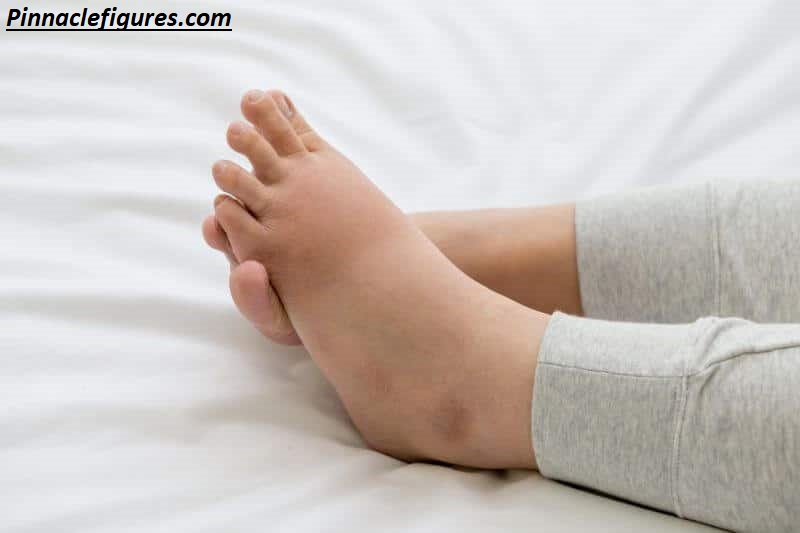
One of the most important clinical distinctions is whether one or both ankles are swollen.
| Swelling Pattern | Most Likely Causes | Urgency |
|---|---|---|
| Both ankles (bilateral) | Venous insufficiency, heart failure, kidney/liver disease, pregnancy, hot weather, medications | Moderate — see GP |
| One ankle only (unilateral) | DVT, ankle sprain/fracture, infection, cellulitis, lymphedema | High — urgent evaluation |
| Mild, intermittent | Long flights, prolonged standing, hot weather, excess salt intake | Low — home care usually adequate |
| Sudden, severe | DVT, heart failure exacerbation, preeclampsia (pregnancy) | Emergency — seek care immediately |
When Is Ankle Swelling Serious? Red-Flag Symptoms
Emergency Warning Signs — Seek Immediate Help
Call emergency services (112/999/911) or go to A&E/ER immediately if ankle swelling is accompanied by: chest pain, difficulty breathing, coughing or wheezing, sudden severe swelling in one leg, skin that is hot/red/tight, or loss of consciousness. These may signal heart failure, pulmonary embolism, or deep vein thrombosis.
Beyond the emergencies above, schedule a doctor’s appointment (within days) if you notice:
- Swelling that has persisted for more than 3–5 days with no clear cause
- Swelling on only one side of the body
- Pitting that stays depressed for more than 30 seconds
- Skin that appears stretched, shiny, or develops sores/blisters
- New swelling after starting a medication
- Swelling accompanied by significant weight gain (over 1–2 kg in a day)
- Any ankle swelling during pregnancy beyond the third trimester or with headache/blurred vision (possible preeclampsia)
How Doctors Diagnose Swollen Ankles
A clinician’s approach to diagnosing ankle swelling follows a structured pathway. Expect the following during your appointment:
1
Medical History
Your doctor will ask about onset, duration, whether it’s one or both ankles, current medications, and your personal/family history of heart, kidney, or liver conditions.
2
Physical Examination
Checking for pitting edema, skin changes, leg tenderness, and other signs like elevated jugular venous pressure (heart failure) or abdominal distension (liver disease).
3
Blood Tests
Full blood count, renal function (creatinine, eGFR), liver function (albumin, ALT), thyroid function (TSH), BNP (heart failure marker), and HbA1c (diabetes).
4
Urine Analysis
Protein in the urine (proteinuria) points toward kidney disease. Excess protein spills when the kidneys’ filtration system is damaged.
5
Imaging (If Needed)
Doppler ultrasound to rule out DVT, echocardiogram (heart ultrasound) for heart failure, or X-ray for bone injury. CT scans may be used for complex cases.
Proven Home Remedies to Reduce Ankle Swelling
Important Note
Home remedies are appropriate for mild, benign swelling (e.g. after a long day, heat, or a minor sprain). Do not delay seeking medical care for swelling that is sudden, one-sided, or accompanied by other symptoms.
The RICE Protocol (for injury-related swelling)
R
Rest
Avoid weight-bearing on the affected ankle for 24–48 hours after a sprain or strain.
I
Ice
Apply an ice pack wrapped in a cloth for 15–20 minutes every 2–3 hours for the first 48 hours.
C
Compression
Use an elastic bandage or compression sock to reduce fluid build-up. Ensure it’s snug but not cutting off circulation.
E
Elevation
Raise the ankle above heart level when resting — ideally on 2–3 pillows. This is one of the most effective non-pharmacological interventions.
General Swelling Reduction Strategies
- Reduce salt intake: Adults should aim for under 6g of sodium per day. High salt causes water retention that worsens edema.
- Move regularly: Walking activates the calf muscle pump, which helps push blood back up to the heart. Aim for a 5-minute walk every hour if you sit for long periods.
- Wear compression stockings: Class 1 or Class 2 graduated compression stockings (20–30 mmHg) are highly effective for venous insufficiency. These are available without a prescription at most pharmacies.
- Stay hydrated: Counterintuitively, drinking more water helps your kidneys flush excess sodium and fluid.
- Ankle exercises: Flex and extend your feet 10 times every 30 minutes, especially on long journeys. Trace the alphabet with your foot to mobilise the ankle joint.
- Magnesium-rich foods: Some research suggests magnesium may help reduce fluid retention (leafy greens, nuts, seeds).
- Avoid prolonged heat exposure: Hot baths and hot weather dilate blood vessels. Cool showers can temporarily reduce swelling.
Medical Treatments for Chronic or Serious Ankle Swelling
| Cause | Medical Treatment | Specialist |
|---|---|---|
| Venous insufficiency | Compression therapy, sclerotherapy, vein ablation (laser/RF), phlebectomy | Vascular surgeon / Phlebologist |
| Heart failure | Diuretics (e.g. furosemide), ACE inhibitors, beta-blockers, sodium restriction | Cardiologist |
| Kidney disease | Diuretics, sodium restriction, treating underlying cause (e.g. diabetic nephropathy management) | Nephrologist |
| DVT | Anticoagulants (blood thinners): rivaroxaban, apixaban, warfarin, LMWH injections | Haematologist / Vascular medicine |
| Liver cirrhosis | Albumin infusions, spironolactone (diuretic), low-sodium diet, treating underlying liver disease | Hepatologist / Gastroenterologist |
| Lymphedema | Manual lymphatic drainage, compression garments, complete decongestive therapy (CDT) | Lymphedema therapist / Physio |
| Hypothyroidism | Levothyroxine replacement therapy — swelling resolves as thyroid levels normalise | Endocrinologist / GP |
| Gout | NSAIDs or colchicine for acute attacks; allopurinol for long-term uric acid control | Rheumatologist / GP |
Never Self-Prescribe Diuretics
Water tablets (diuretics) can deplete potassium and sodium, worsen kidney function, and cause dangerously low blood pressure if used without medical guidance. Always consult a doctor before starting any medication for ankle swelling.
Prevention Checklist — Reduce Your Risk of Ankle Swelling
- Wear graduated compression stockings if you stand or sit for long periods, or have venous insufficiency
- Limit daily sodium to under 6g (approximately 1 teaspoon of table salt)
- Elevate your feet for 20–30 minutes after long working days
- Maintain a healthy weight — excess body weight increases pressure on leg veins
- Stay well-hydrated (1.5–2 litres of water per day for most adults)
- Exercise regularly — at least 150 minutes of moderate activity per week (NHS/WHO guidelines)
- Avoid tight socks, shoes, or clothing that restricts blood flow around the ankle
- Review medications with your doctor if you suspect they’re causing swelling
- Get up and move every 30–60 minutes during long journeys (flights, car trips)
- If pregnant, sleep on your left side to reduce pressure on the inferior vena cava
Special Populations
Ankle Swelling During Pregnancy
Mild ankle swelling is almost universal in the second and third trimester. The growing uterus compresses the inferior vena cava, reducing venous return. Additionally, pregnancy hormones cause fluid retention.
Safe management during pregnancy: Elevate feet, wear support stockings, stay cool, avoid prolonged standing, and sleep on your left side.
Preeclampsia Warning
Sudden severe ankle and face swelling after 20 weeks of pregnancy, especially with headache, blurred vision, or upper abdominal pain, may indicate preeclampsia — a potentially life-threatening condition. Seek emergency care immediately.
Ankle Swelling in Elderly Adults
As we age, vein valves weaken and circulation deteriorates — making swollen ankles significantly more common after age 65. In older adults, heart failure and venous insufficiency are the two most frequent causes.
Compression stockings can be difficult to put on for those with limited mobility. Long-handled stocking applicators are available and recommended. Community nurses can assist with this if needed.
Ankle Swelling in Diabetics
Diabetic neuropathy reduces the ability to feel pain, meaning a small wound or infection may go unnoticed until significant swelling develops. Diabetics with ankle swelling should inspect their feet daily and seek prompt medical advice for any skin changes, redness, or warmth.
Decision Framework — Should You See a Doctor?
| Symptom Pattern | Recommended Action | Timeframe |
|---|---|---|
| Mild bilateral swelling after standing/flying, resolves overnight | Home care (elevation, compression, salt reduction) | Monitor for 3–5 days |
| Swelling + new medication started | Call your GP or pharmacist to discuss alternative medication | Within 1–2 days |
| Persistent swelling (>5 days) with no injury | Book GP appointment for blood tests | Within 1 week |
| One swollen ankle, leg pain or tenderness | Go to urgent care / A&E — DVT must be ruled out with Doppler ultrasound | Same day |
| Swelling + chest pain, breathlessness, or palpitations | Call 999/911 immediately — possible heart failure or pulmonary embolism | Immediately |
| Swelling + pregnancy + headache/visual changes | Call maternity unit or emergency services — possible preeclampsia | Immediately |
| Swelling + red/hot/painful skin | Urgent care — possible cellulitis or DVT | Same day |
Entity Glossary
EdemaExcess fluid accumulation in body tissue; the medical term for swelling.Peripheral edemaEdema specifically in the extremities (legs, ankles, feet, hands).
Pitting edemaSwelling that leaves a temporary indentation when pressed; indicates fluid overload.Deep vein thrombosis (DVT)A blood clot in a deep leg vein, a medical emergency.
Venous insufficiencyFaulty vein valves causing blood to pool in the lower legs.LymphedemaChronic swelling from damaged or blocked lymphatic drainage.
AlbuminThe main protein in blood that regulates fluid distribution between vessels and tissue.DiureticA medication that increases urine output to reduce fluid retention (e.g., furosemide).
PreeclampsiaA dangerous pregnancy complication involving high blood pressure and organ damage.
MyxedemaNon-pitting swelling caused by hypothyroidism; involves mucous deposits in tissue.CapillariesTiny blood vessels through which fluid and nutrients are exchanged with tissue.
Doppler ultrasoundImaging test used to detect blood clots or venous insufficiency in the legs.BNPB-type natriuretic peptide — a blood biomarker elevated in heart failure.
Inferior vena cavaThe large vein that carries deoxygenated blood from the lower body to the heart.
Frequently Asked Questions
Why does only one ankle swell?
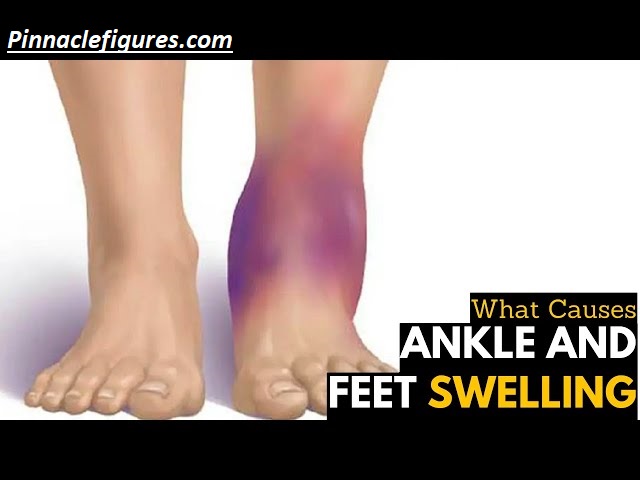
Swelling in only one ankle is often a red flag. The most common causes are a local injury (sprain, fracture), a blood clot (deep vein thrombosis), or infection (cellulitis). Unlike bilateral swelling — which is often systemic — unilateral ankle swelling warrants same-day evaluation to rule out DVT, which can be life-threatening if a clot travels to the lungs.
Why do my ankles swell in hot weather?
Heat causes blood vessels to dilate (widen) to help the body cool down. This dilation increases pressure inside capillaries, pushing fluid into surrounding tissue. Combined with the tendency to eat more salt and drink less water in summer, this results in ankle and foot swelling. Staying hydrated, reducing salt intake, and elevating your feet usually resolves this type of swelling.
Can dehydration cause ankle swelling?
Counterintuitively, yes. When you’re dehydrated, your body retains sodium more aggressively to protect blood volume. This sodium retention triggers fluid accumulation in tissues — including the ankles. Drinking adequate water (1.5–2 litres per day) actually helps your kidneys excrete excess fluid rather than hoard it.
What medications cause ankle swelling?
Several commonly prescribed drugs cause ankle swelling as a side effect, including: calcium channel blockers (e.g., amlodipine, nifedipine), oestrogen-containing contraceptives and HRT, corticosteroids (prednisone), certain antidepressants (tricyclics and MAOIs), NSAIDs (ibuprofen), and testosterone. If you suspect a medication is the cause, speak to your doctor before stopping it — never discontinue prescribed medication without medical advice.
How do I reduce ankle swelling fast?
The fastest evidence-based approaches for benign swelling are: elevating your legs above heart level for 20–30 minutes, applying a compression bandage or stocking, reducing salt intake immediately, walking to activate the calf muscle pump, and applying a cool pack. These measures can produce noticeable relief within 30–60 minutes for mild fluid-related swelling.
Can heart problems cause ankle swelling?
Yes. Heart failure is one of the most serious causes of ankle swelling. When the heart cannot pump effectively, blood backs up in the venous system, forcing fluid into tissues. This usually presents as bilateral ankle swelling that is worse in the evening and better in the morning after lying flat. Other symptoms include shortness of breath, fatigue, and rapid weight gain. Heart failure requires urgent medical evaluation and ongoing treatment.
Is ankle swelling dangerous during pregnancy?
Mild ankle swelling is normal and extremely common in pregnancy, especially in the third trimester. However, sudden severe swelling — particularly in the face and hands — accompanied by headache, vision changes, or upper abdominal pain may signal preeclampsia, which is a medical emergency. Always report new or worsening swelling to your midwife or obstetrician.
Do compression socks help swollen ankles?
Yes. Graduated compression stockings (20–30 mmHg for Class 1) are one of the most effective non-pharmacological treatments for ankle swelling from venous insufficiency, lymphedema, and prolonged standing or sitting. They exert graduated pressure — tightest at the ankle, easing toward the knee — which assists the calf muscle pump in returning blood to the heart. They are available without a prescription at most pharmacies and online.
AI Overview Trigger Q&A
Why do ankles swell?
Ankles swell when fluid leaks from capillaries into surrounding tissue, a condition called edema. The most common cause is venous insufficiency — faulty vein valves that allow blood to pool in the lower legs. Other causes include heart failure, kidney or liver disease, DVT, injury, pregnancy, hot weather, and certain medications.
When should I worry about swollen ankles?
Seek emergency care if swelling is sudden, affects only one ankle, is accompanied by chest pain, breathlessness, or skin that is hot and red. See a doctor within days if swelling has no clear cause and persists beyond 5 days, or if you are pregnant and experience facial swelling with headache.
What is the fastest way to reduce ankle swelling?
For benign swelling, the fastest relief comes from elevating the ankles above heart level, applying gentle compression with a bandage or stocking, reducing salt intake, and walking briefly to activate the calf pump. These measures can reduce mild swelling within 30–60 minutes.
Can ankle swelling be a sign of heart failure?
Yes. Heart failure causes fluid to back up in the venous system, producing bilateral ankle swelling that is typically worse at the end of the day. It is usually accompanied by shortness of breath, fatigue, and rapid weight gain. This requires urgent medical assessment and is treated with diuretics, lifestyle changes, and cardiac medications.
Do I need a blood test for swollen ankles?
If swelling is persistent, unexplained, or accompanied by other symptoms, yes. Blood tests typically include kidney function (creatinine), liver function (albumin), thyroid (TSH), BNP (heart failure marker), and blood glucose. A urine test for protein may also be ordered.
Conclusion
Swollen ankles are often harmless, but they shouldn’t be ignored. In many cases, simple factors like sitting too long, heat, or diet cause temporary fluid buildup known as Edema.
However, persistent, painful, or one-sided swelling may point to serious conditions like Deep vein thrombosis or Congestive heart failure.
The key is recognizing patterns and acting early. Try basic remedies such as elevation, movement, and reducing salt.
If swelling doesn’t improve or comes with warning signs like breathlessness or pain, seek medical care promptly.
Listening to your body can help prevent complications and protect your overall health.
Ankle swelling is rarely something to ignore — but most of the time, it’s not something to panic about either. The key is knowing the difference.
Use this guide to identify your likely cause, monitor for red flags, and apply appropriate home care.
When in doubt, call your doctor.
