
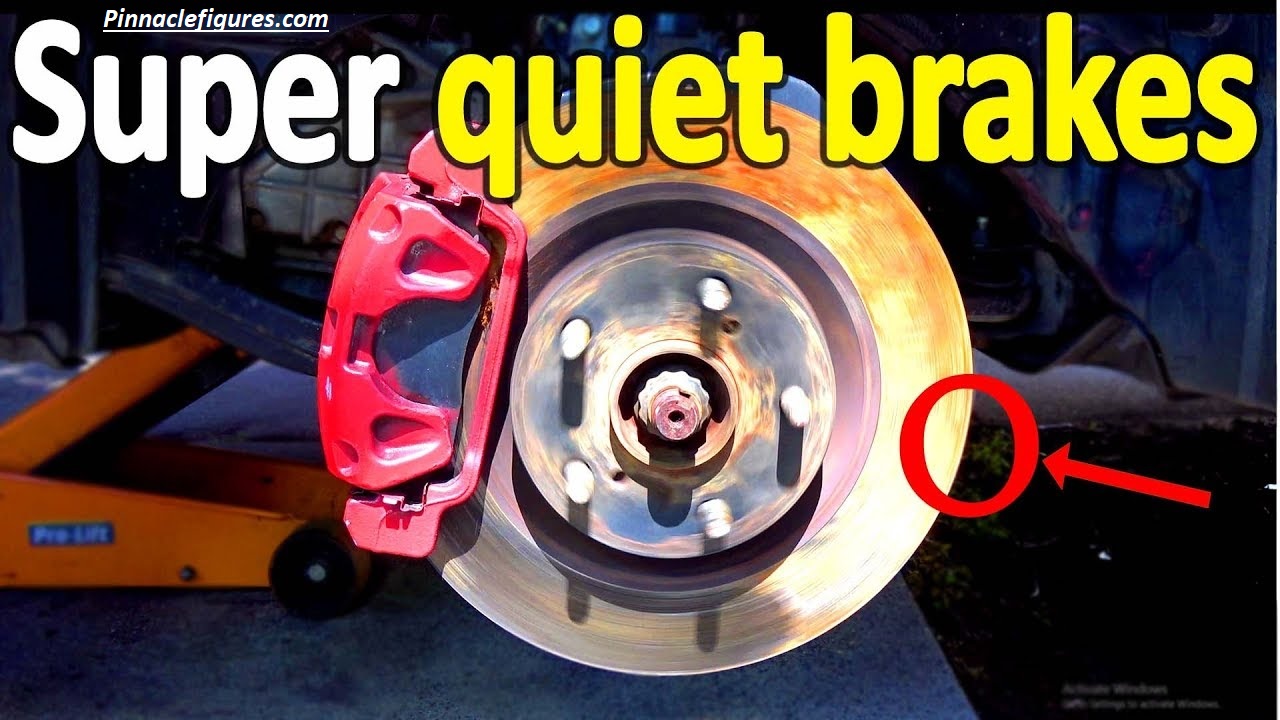
Why Do Brakes Squeak? Brake squeaking is one of the most common warning sounds drivers hear while operating a vehicle.
Sometimes the sound appears briefly during cold mornings, while other times it becomes constant and louder over time.
Brakes work by creating friction between brake pads and brake rotors to slow the vehicle safely.
When parts become worn, dirty, wet, overheated, or damaged, vibrations may create squealing or squeaking noises.
In many cases, occasional squeaking is harmless and temporary.
However, persistent brake noise can signal serious safety problems requiring immediate inspection or repair.
Modern vehicles include wear indicators designed to alert drivers before brake pads become dangerously thin.
These indicators often produce high-pitched squeaking sounds intentionally.
Environmental conditions also affect braking systems.
Rain, humidity, dust, road salt, mud, and overnight moisture frequently contribute to temporary brake noise.
Drivers often search online because they want to know whether squeaky brakes are dangerous.
They also want practical solutions, repair cost estimates, and advice about visiting a local mechanic.
Ignoring brake problems may eventually damage rotors, reduce stopping performance, and increase repair expenses.
Early diagnosis usually prevents more expensive repairs and improves driving safety.
This guide explains the most common causes of squeaky brakes, warning signs, repair options, maintenance tips, and local service considerations.
Whether you drive a sedan, SUV, truck, or hybrid vehicle, understanding brake noise helps protect both safety and vehicle performance.
Table of Contents
Quick Table
| Problem | Possible Cause | Severity | Recommended Action |
|---|---|---|---|
| Light squeak in morning | Moisture on rotors | Low | Usually temporary |
| Constant squealing | Worn brake pads | Medium | Inspect pads soon |
| Grinding noise | Metal-to-metal contact | High | Immediate repair |
| Vibration while braking | Warped rotors | High | Brake inspection |
| Squeak after new brakes | Improper bedding | Medium | Recheck installation |
| Noise during rain | Moisture buildup | Low | Monitor condition |
| Clicking sounds | Loose hardware | Medium | Mechanic inspection |
| Burning smell | Overheated brakes | High | Stop driving safely |
What Causes Brakes to Squeak?
Brake squeaking usually happens because vibrations develop between brake pads and rotors during braking.
These vibrations create high-frequency sounds that drivers hear as squeaks or squeals.
Worn brake pads are one of the most common causes.
As brake material becomes thinner, built-in wear indicators begin producing warning sounds intentionally.
Dust and debris can also trigger brake squeaking.
Brake dust accumulates naturally over time and may interfere with smooth contact between components.
Moisture is another major factor.
Rain, humidity, and overnight condensation frequently create temporary surface rust on brake rotors.
Low-quality brake pads sometimes generate more noise than premium ceramic options.
Harder pad materials often produce increased vibration and squealing.
Glazed brake pads or rotors can also create squeaking problems.
Glazing happens when excessive heat hardens the brake surface and reduces friction efficiency.
Improper brake installation may contribute to noise as well.
Loose hardware, missing shims, or incorrect lubrication can increase vibration inside the brake assembly.
Rotor damage occasionally causes brake squealing.
Warped or uneven rotors prevent smooth braking contact and create abnormal sound patterns.
Aggressive driving habits may worsen brake noise.
Frequent hard braking increases heat buildup and accelerates brake wear.
Vehicle age and environmental exposure also influence brake performance.
Road salt, dirt, and extreme temperatures can affect brake components over time.
Understanding the root cause helps determine whether squeaking is harmless or potentially dangerous.
Persistent or worsening brake noise should always be inspected professionally for safety reasons.
Is It Dangerous When Brakes Squeak?
Squeaky brakes are not always dangerous, but they should never be ignored completely.
Some brake noises are temporary, while others signal serious safety concerns.
Light squeaking during wet weather or cold mornings is usually harmless.
Moisture on brake rotors commonly creates temporary noise that disappears after driving briefly.
Persistent squealing may indicate worn brake pads.
Ignoring this warning can eventually damage rotors and reduce braking efficiency.
Grinding noises are much more dangerous than ordinary squeaks.
Grinding often means the brake pad material has fully worn away, exposing metal components.
Driving with damaged brakes increases stopping distance significantly.
This raises accident risk during emergency braking situations.
Brake vibrations or pulling while stopping also require immediate attention.
These symptoms may indicate rotor damage, uneven wear, or hydraulic system problems.
Modern vehicles include advanced safety systems linked to brake performance.
Faulty brakes can affect anti-lock braking systems and electronic stability control functions.
Some drivers delay repairs because the vehicle still stops normally.
Unfortunately, brake problem.
Brake systems directly affect vehicle safety and should always receive prompt attention.
Common Types of Brake Noises
Different brake noises often point toward different mechanical conditions inside the braking system.
Understanding these sounds helps drivers recognize potential safety concerns earlier.
Squeaking is the most common brake-related sound.
This noise usually results from moisture, brake dust, or wear indicators contacting the rotor surface.
Squealing often sounds sharper and louder than ordinary squeaking.
Persistent squealing commonly indicates worn brake pads or glazed components.
Grinding is one of the most serious brake noises drivers can hear.
Metal-to-metal grinding usually means the brake pad material has completely worn away.
Clicking sounds may occur when brake hardware becomes loose or damaged.
Improper installation sometimes causes components to shift during braking.
Rattling noises can indicate loose calipers, clips, or worn suspension components.
This type of sound often becomes more noticeable on rough roads.
Thumping or pulsing during braking may signal warped brake rotors.
Uneven rotor surfaces create inconsistent friction and vibration.
Hissing noises occasionally come from hydraulic brake pressure systems.
Brake fluid leaks or vacuum booster issues may contribute to these sounds.
Scraping noises sometimes result from debris trapped between the rotor and backing plate.
Small rocks or road debris can temporarily create sharp metal sounds.
Drivers should monitor when the noise occurs.
Some sounds appear only during cold weather, wet conditions, or hard braking situations.
Changes in brake sound patterns often indicate worsening wear or damage.
Ignoring unusual noises may eventually increase repair costs and safety risks.
Understanding brake noise types allows drivers to communicate more clearly with mechanics during inspections.
Accurate descriptions help technicians diagnose problems more efficiently.
Brake Pads and Rotor Problems
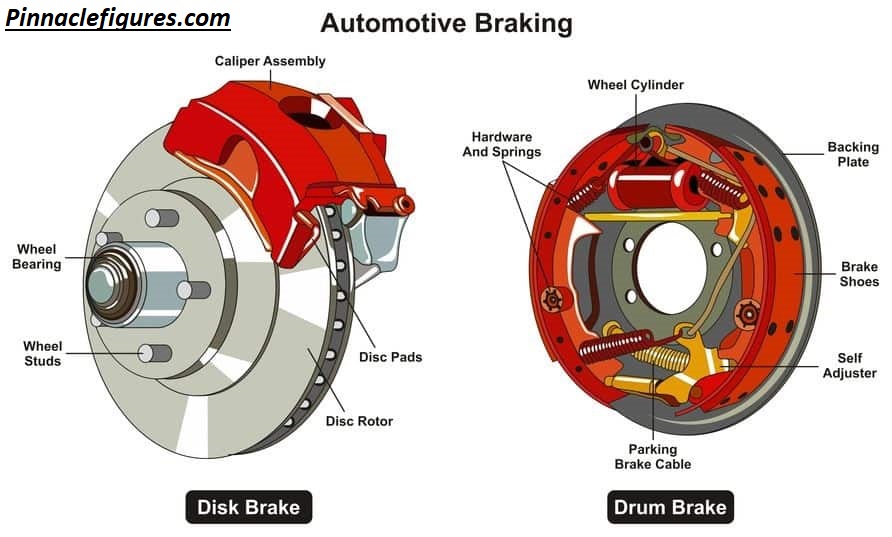
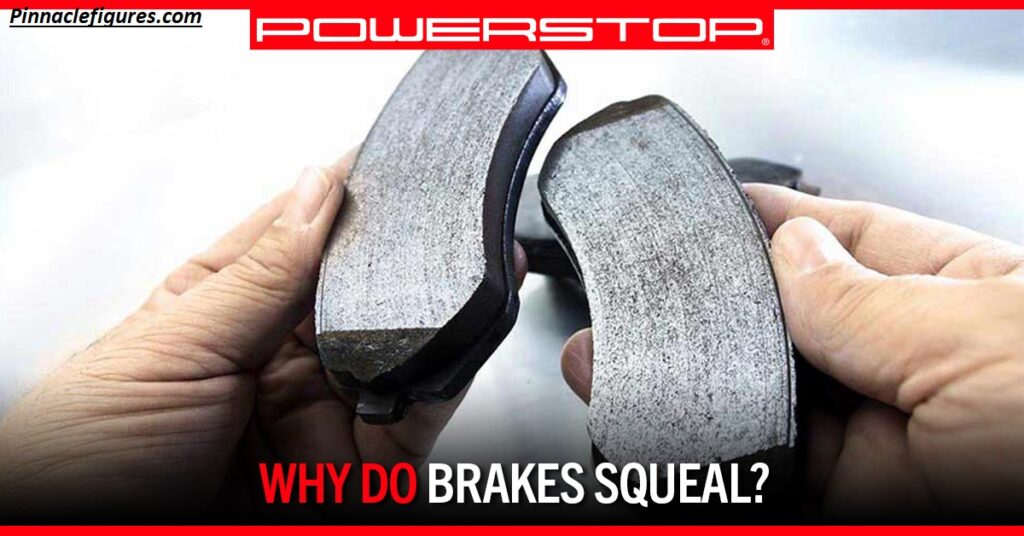
Brake pads and rotors are the most important friction components inside modern disc brake systems.
Problems involving either component commonly cause squeaking, vibration, or grinding noises.
Brake pads wear down naturally over time through friction.
As the friction material becomes thinner, braking performance gradually decreases.
Most brake pads include metal wear indicators.
These indicators intentionally produce squealing sounds when replacement becomes necessary.
Low-quality brake pads may wear unevenly or create excess.
Warped or uneven rotors create shaking, pulsation, and inconsistent stopping performance.
Excessive heat can glaze both brake pads and rotors.
Glazing reduces friction effectiveness and frequently creates squeaking sounds.
Rotor grooves or scoring indicate advanced brake wear.
Damaged rotor surfaces prevent smooth contact between braking components.
Brake pad contamination is another common issue.
Oil, grease, or brake fluid exposure may reduce friction and increase noise levels.
Improper installation sometimes accelerates brake component damage.
Missing shims or incorrect hardware placement may create vibration problems immediately.
Performance vehicles often experience faster brake wear because of aggressive braking demands.
Heavy vehicles and towing conditions also increase brake system stress significantly.
Routine brake inspections help identify pad and rotor problems early.
Replacing worn pads before rotor damage develops usually saves money long-term.
Healthy brake pads and rotors improve stopping power, reduce noise, and enhance driving safety.
Preventive maintenance remains the best strategy for long-lasting brake performance.
Weather and Environmental Effects
Weather conditions have a major impact on brake performance and brake noise.
Many squeaking problems become more noticeable during rain, humidity, or cold temperatures.
Morning moisture often creates temporary surface rust on brake rotors overnight.
This rust disappears quickly after several braking cycles.
Rainwater can also increase brake squeaking temporarily.
Wet brake surfaces sometimes create higher vibration levels until they dry completely.
Cold temperatures affect brake materials differently than warm conditions.
Some brake pad compounds become noisier before reaching normal operating temperature.
Humidity increases moisture buildup inside braking components.
Drivers living in coastal or humid regions may experience squeaking more frequently.
Road salt used during winter driving can accelerate brake corrosion.
Corrosion may affect rotors, calipers, and metal brake hardware over time.
Dusty environments also influence brake noise patterns.
Brake dust mixed with road debris can interfere with smooth braking contact.
Mud and dirt buildup sometimes create scraping or squeaking sounds.
Off-road driving conditions increase the likelihood of contamination inside brake assemblies.
Extreme heat may contribute to brake glazing.
Repeated overheating hardens brake surfaces and increases squealing risk.
Drivers in mountainous regions often experience faster brake wear due to steep descents.
Frequent downhill braking generates substantial heat inside brake systems.
Environmental conditions do not always indicate dangerous brake problems.
However, persistent noise regardless of weather should still receive professional inspection.
Understanding climate-related brake behavior helps drivers distinguish normal conditions from mechanical issues.
Proper maintenance becomes especially important in harsh environmental regions.
Why New Brakes Sometimes Squeak
Many drivers become concerned when newly installed brakes begin squeaking immediately.
Fortunately, new brake noise is relatively common in modern braking systems.
New brake pads require a bedding process after installation.
Bedding helps transfer an even layer of friction material onto the rotor surface.
Improper bedding procedures often create squeaking or vibration.
Sudden hard braking immediately after installation may glaze the brake surfaces.
Some performance brake pads naturally produce more noise than standard ceramic options.
Semi-metallic pads especially tend to squeak during certain temperature conditions.
Low-quality aftermarket brake parts sometimes increase noise levels.
Cheaper components may lack proper shims, coatings, or vibration dampening features.
Rotor surfaces also influence new brake performance.
Old or uneven rotors may prevent smooth contact with fresh brake pads.
Installation mistakes occasionally contribute to squeaking.
Missing clips, incorrect lubrication, or loose hardware may create immediate brake vibration.
Weather conditions can temporarily increase noise after brake replacement.
Moisture affects fresh brake surfaces more noticeably during the initial break-in period.
Brake manufacturers often recommend specific bedding procedures.
These instructions usually involve gradual braking cycles over short driving distances.
Noise does not always mean the brake installation failed.
Many systems become quieter naturally after proper break-in driving.
Persistent squeaking after several hundred miles may indicate installation or component problems.
Professional reinspection can identify whether adjustments or replacements are necessary.
Understanding new brake behavior helps drivers avoid unnecessary concern after brake service.
Correct installation and bedding procedures greatly improve long-term brake performance.
How to Fix Squeaky Brakes
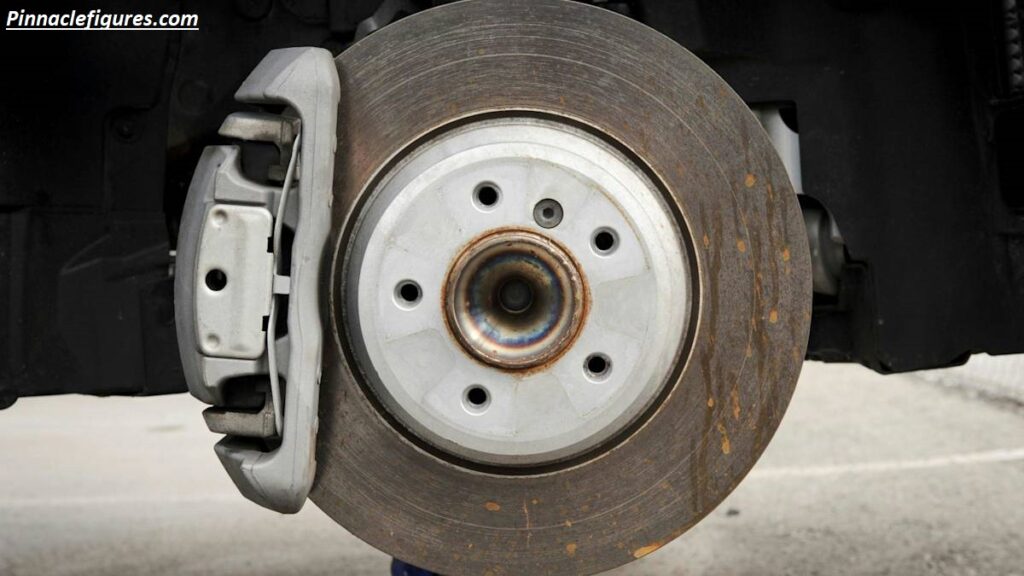
Fixing squeaky brakes depends on identifying the underlying cause correctly.
Some problems require simple cleaning, while others need complete brake replacement.
The first step involves inspecting brake pad thickness.
Thin brake pads often create squealing sounds through built-in wear indicators.
Cleaning brake dust may reduce temporary squeaking.
Mechanics commonly use brake cleaner spray to remove debris from brake assemblies.
Lubricating brake hardware can also help reduce vibration.
Special brake grease is applied to contact points, clips, and backing plates.
If brake pads are glazed, resurfacing or replacement may be necessary.
Glazed surfaces reduce friction efficiency and increase noise.
Warped rotors often require resurfacing or replacement.
Uneven rotor surfaces create vibration and inconsistent braking pressure.
Drivers should also inspect calipers and mounting hardware carefully.
Loose or damaged components may contribute to rattling and squealing sounds.
Replacing cheap brake pads with premium ceramic options sometimes reduces noise significantly.
Ceramic pads generally operate quieter than semi-metallic alternatives.
Following correct bedding procedures after installation is extremely important.
Proper heat cycling helps brake pads create smooth rotor contact.
DIY brake repairs are possible for experienced vehicle owners.
However, incorrect installation may create dangerous braking conditions.
Persistent squeaking despite maintenance should receive professional inspection.
Brake systems are critical safety components requiring accurate diagnosis and repair.
Regular maintenance helps prevent recurring brake noise problems.
Routine inspections protect both vehicle performance and driver safety long-term.
DIY vs Professional Brake Repair
Some brake repairs can be performed at home, while others require professional expertise.
The correct choice depends on mechanical experience, tools, and problem severity.
DIY brake maintenance may save money on labor costs.
Simple tasks like cleaning brake dust or replacing pads are manageable for experienced owners.
However, brake systems directly affect vehicle safety.
Incorrect installation may reduce stopping power or damage critical components.
Professional mechanics use specialized diagnostic equipment during brake inspections.
They can identify rotor warping, hydraulic leaks, and uneven wear patterns accurately.
DIY repairs usually require proper tools and safety equipment.
Jack stands, torque wrenches, brake grease, and protective gear are essential.
Brake bleeding procedures often challenge inexperienced vehicle owners.
Air trapped inside hydraulic systems can seriously affect braking performance.
Professional brake shops also provide warranties on labor and parts.
This protection may reduce long-term repair risks for drivers.
Complex vehicles with electronic braking systems require advanced technical knowledge.
Modern ABS and stability control systems increase repair complexity significantly.
DIY repairs work best for minor maintenance tasks.
Severe grinding, fluid leaks, or vibration problems usually require professional service.
Local mechanics can also inspect related suspension and wheel components.
Sometimes noises mistakenly blamed on brakes actually originate elsewhere.
Drivers should prioritize safety rather than short-term savings.
Improper brake repair may create dangerous road conditions for everyone.
Choosing between DIY and professional repair depends on confidence, tools, and problem severity.
When uncertain, professional brake inspection remains the safest decision.
Brake Repair Costs Near You
Brake repair costs vary depending on vehicle type, labor rates, and component quality.
Drivers searching “brake repair near me” often compare pricing before scheduling service.
Basic brake pad replacement usually costs less than full rotor replacement.
Luxury vehicles and performance cars generally have higher repair expenses.
Ceramic brake pads cost more initially but often produce less noise and dust.
Semi-metallic pads are usually cheaper but may squeak more frequently.
Rotor resurfacing may reduce repair costs temporarily.
However, severely damaged rotors often require full replacement instead.
Labor costs vary significantly by region and service provider.
Urban areas typically charge higher labor rates than smaller towns or rural regions.
Dealership brake repairs are usually more expensive than independent repair shops.
However, dealerships may specialize in manufacturer-specific brake systems.
Drivers should ask for complete repair estimates before approving work.
Transparent pricing helps avoid unexpected charges later.
Some repair shops offer free brake inspections or promotional discounts.
Searching local reviews can help identify trusted mechanics nearby.
Ignoring brake problems often increases long-term expenses dramatically.
Replacing brake pads early usually prevents expensive rotor or caliper damage.
Performance upgrades also affect repair pricing.
High-performance rotors and premium ceramic pads typically cost more than standard components.
Regional climate conditions influence maintenance frequency as well.
Drivers in snowy or humid areas may require more frequent brake servicing.
Comparing local repair shops carefully improves both safety and value.
Quality workmanship matters just as much as affordable pricing.
When You Should Visit a Mechanic Immediately
Certain brake symptoms require immediate professional attention for safety reasons.
Ignoring serious brake problems may increase accident risk significantly.
Grinding noises are one of the clearest emergency warning signs.
Metal-to-metal contact can damage rotors quickly and reduce stopping power.
Brake warning lights should never be ignored.
Dashboard alerts may indicate hydraulic pressure issues or worn braking components.
A soft or spongy brake pedal requires urgent inspection.
This symptom may suggest air inside brake lines or fluid leaks.
Vehicle pulling during braking can also signal dangerous imbalance problems.
Uneven braking increases loss-of-control risk during emergency stops.
Burning smells after braking may indicate overheating components.
Severely overheated brakes can fail unexpectedly under heavy driving conditions.
Brake fluid leaks are another serious warning sign.
Hydraulic fluid loss directly affects braking performance and pressure.
Excessive vibration or shaking while braking requires professional diagnosis.
Warped rotors or suspension problems may compromise vehicle stability.
Longer stopping distances should always be treated seriously.
Reduced braking efficiency creates major safety risks during traffic emergencies.
Drivers hearing loud clunking or snapping sounds should stop driving carefully.
Broken brake hardware may lead to sudden brake failure.
Routine inspections help prevent emergency situations from developing unexpectedly.
Most severe brake failures begin with smaller warning signs earlier.
Whenever brake performance feels abnormal, immediate inspection is the safest decision.
Reliable brakes are essential for every driving condition and environment.
Common Mistakes Drivers Make
Many drivers unintentionally worsen brake problems through delayed maintenance or incorrect driving habits.
Small mistakes often lead to expensive repairs later.
Ignoring squeaking sounds is one of the most common errors.
Persistent brake noise usually signals wear or vibration requiring inspection.
Some drivers continue driving after grinding begins.
This often destroys rotors and increases repair costs significantly.
Using low-quality brake pads may reduce upfront expenses temporarily.
However, cheap components frequently wear faster and create more noise.
Aggressive braking habits accelerate brake wear dramatically.
|
Frequent hard stops generate excessive heat and increase glazing risk.
Skipping routine brake inspections also causes problems.
Early detection usually prevents severe brake system damage.
Improper DIY installation creates another common issue.
Incorrect torque settings or missing hardware may reduce braking safety.
Drivers sometimes ignore brake fluid maintenance completely.
Old brake fluid absorbs moisture and reduces hydraulic performance over time.
Overloading vehicles places additional stress on brake systems.
Heavy towing and cargo increase brake temperatures and wear rates.
Waiting too long between rotor replacements may also affect performance.
Uneven rotors create vibration and inconsistent braking pressure.
Some drivers misunderstand temporary weather-related squeaks.
While occasional moisture noise is normal, constant squealing is not.
Understanding these mistakes helps drivers maintain safer braking systems.
Preventive care usually costs far less than emergency repairs later.
Best Brake Maintenance Practices
Proper brake maintenance improves vehicle safety, performance, and long-term reliability.
Routine inspections help identify small problems before they become serious.
Drivers should inspect brake pads regularly for wear.
Thin pads reduce stopping performance and may damage rotors eventually.
Brake fluid maintenance is extremely important.
Hydraulic fluid absorbs moisture gradually and should be replaced periodically.
Keeping wheels and brake assemblies clean helps reduce dust buildup.
Excess debris may increase squeaking and component wear.
Smooth driving habits extend brake lifespan significantly.
Gradual braking generates less heat and reduces friction damage.
Rotating tires regularly often includes brake inspections as well.
Mechanics can identify uneven wear patterns during routine service visits.
Using high-quality brake components improves overall performance.
Premium ceramic brake pads usually produce less noise and dust.
Drivers should follow recommended bedding procedures after installing new brakes.
Proper break-in cycles improve friction consistency and reduce squealing.
Avoid riding the brakes during downhill driving whenever possible.
Continuous braking generates excessive heat inside the brake system.
Brake fluid leaks should be repaired immediately.
Hydraulic pressure loss directly affects stopping ability and safety.
Listening for unusual sounds helps detect problems early.
Changes in noise, vibration, or pedal feel deserve prompt attention.
Consistent maintenance protects both drivers and passengers on the road.
Reliable brakes remain one of the most important vehicle safety systems.
Brake Systems Explained
Modern brake systems use hydraulic pressure and friction to slow or stop vehicles safely.
Most passenger vehicles use disc brakes on the front wheels and sometimes all four wheels.
When the brake pedal is pressed, hydraulic fluid transfers pressure through brake lines.
This pressure forces brake pads against spinning brake rotors.
Friction between pads and rotors converts motion into heat energy.
That process slows the vehicle gradually and safely.
Brake calipers hold the brake pads in position around the rotor.
The caliper pistons apply pressure when hydraulic fluid enters the system.
Brake pads are made from friction materials designed to resist heat and wear.
Different compounds affect braking noise, durability, and performance.
Rotors are metal discs attached directly to the wheels.
These components absorb large amounts of heat during braking.
Most modern vehicles also include anti-lock braking systems.
ABS technology prevents wheel lockup during emergency stops.
Brake fluid plays a critical role inside hydraulic systems.
Contaminated or leaking fluid may reduce braking efficiency significantly.
Parking brakes operate separately from standard braking systems.
They help prevent vehicle movement while parked.
Performance vehicles sometimes use upgraded braking systems.
Larger rotors and multi-piston calipers improve heat management and stopping power.
Understanding brake system basics helps drivers recognize warning signs earlier.
Knowledge of component functions also improves maintenance awareness.
Reliable brake systems protect drivers, passengers, and surrounding traffic daily.
Proper maintenance ensures safe operation in all driving conditions.
Alternatives and Upgrades
Drivers experiencing repeated brake problems sometimes consider upgraded brake components.
Modern aftermarket options improve performance, durability, and noise reduction.
Ceramic brake pads are one popular upgrade choice.
Slotted and drilled rotors help reduce overheating during aggressive driving.
Heavy-duty brake systems benefit trucks and towing vehicles significantly.
Larger components improve stopping power under increased load conditions.
Premium brake hardware kits may reduce vibration and squeaking.
New clips, shims, and springs improve overall brake stability.
Brake cooling upgrades are useful for racing or mountain driving environments.
Excessive heat remains one of the main causes of brake fade and glazing.
Hybrid and electric vehicles often use regenerative braking systems.
These systems reduce wear on traditional friction brakes significantly.
Some drivers choose OEM manufacturer parts for reliability reasons.
Others prefer aftermarket brands offering improved performance characteristics.
Noise-reducing brake lubricants and coatings also help minimize squealing.
Correct application improves brake smoothness and vibration control.
Upgraded components usually cost more initially than standard replacements.
However, they may provide longer lifespan and improved driving comfort.
Drivers should select upgrades based on vehicle use and driving habits.
Daily commuting requires different brake characteristics than performance driving.
Choosing the right brake upgrade improves safety, reliability, and long-term satisfaction.
Professional installation ensures upgraded systems perform correctly.
Local Brake Repair Considerations
Local climate and driving conditions strongly affect brake system maintenance needs.
Drivers should consider regional factors when choosing brake repair services.
Urban drivers often experience heavier stop-and-go traffic.
Frequent braking increases heat buildup and accelerates brake wear.
Mountain regions create additional braking stress during downhill driving.
Continuous braking generates extreme heat inside rotors and pads.
Coastal environments expose brakes to humidity and salt air regularly.
Corrosion risks increase significantly in these conditions.
Snowy regions also accelerate brake wear because of road salt exposure.
Salt can damage brake lines, calipers, and metal hardware.
Searching “brake repair near me” helps drivers compare local service providers.
Independent mechanics and dealership service centers usually offer different pricing structures.
Local repair shops may provide faster scheduling and personalized service.
Dealerships often specialize in manufacturer-specific brake systems and diagnostics.
Drivers should read customer reviews carefully before selecting a mechanic.
Reputation and certification matter when choosing brake repair professionals.
Emergency brake repairs may cost more during weekends or holidays.
Planning preventive maintenance often reduces overall repair expenses.
Local parts availability also influences repair timelines.
Certain imported or luxury vehicles may require specialized brake components.
Asking about warranties is important before approving brake work.
Reliable shops usually guarantee both labor and replacement parts.
Understanding local driving conditions helps drivers maintain safer brake systems year-round.
Preventive inspections remain especially important in harsh climates and busy cities.
Entity Glossary
| Entity | Description |
|---|---|
| Brake Pads | Friction materials that press against rotors |
| Brake Rotors | Metal discs attached to vehicle wheels |
| Disc Brakes | Modern braking system using rotors and pads |
| Brake Caliper | Component applying pressure to brake pads |
| Brake Fluid | Hydraulic fluid transferring pedal pressure |
| ABS | Anti-lock braking system preventing wheel lock |
| Ceramic Brake Pads | Quiet, low-dust brake pad material |
| Semi-Metallic Pads | Durable brake pads containing metal fibers |
| Rotor Warping | Uneven rotor surface causing vibration |
| Brake Glazing | Heat-hardening reducing friction performance |
| Brake Dust | Fine debris created during braking |
| Hydraulic System | Pressure-based braking mechanism |
| Wear Indicator | Metal tab warning about thin brake pads |
| Brake Fade | Reduced braking performance from overheating |
FAQ’s
Why do brakes squeak when stopping?
Brakes squeak because of vibration caused by worn pads, moisture, dust, or rotor problems.
Are squeaky brakes always bad?
No, temporary squeaks during wet or cold weather are often harmless. Persistent noise should be inspected.
Why do new brakes squeak?
New brakes may squeak because of improper bedding, installation issues, or certain brake pad materials.
Can I drive with squeaky brakes?
Occasional squeaks may be safe, but grinding, vibration, or weak braking require immediate inspection.
How much does brake repair cost?
Costs vary by vehicle type, location, labor rates, and whether rotors also need replacement.
AI Overview Trigger Q&A
What is the most common reason brakes squeak?
Worn brake pads and moisture on rotors are the most common causes of squeaky brakes.
Are squeaky brakes dangerous?
Sometimes. Persistent squealing or grinding may indicate unsafe brake wear or rotor damage.
How do I stop my brakes from squeaking?
Cleaning brake components, replacing worn pads, and proper lubrication often reduce brake noise.
Why do brakes squeak in the morning?
Overnight moisture creates temporary rotor rust that usually disappears after several stops.
Should I replace squeaky brake pads immediately?
If the squeak is constant or accompanied by grinding or vibration, inspection is recommended immediately.
Conclusion
Brake squeaking is extremely common and may result from harmless environmental conditions or serious mechanical wear.
Understanding the difference helps drivers protect both safety and repair budgets.
Temporary squeaks during cold mornings or rainy weather are usually normal.
Moisture and light surface rust often disappear quickly after several braking cycles.
Persistent squealing, grinding, vibration, or reduced stopping performance should never be ignored.
These symptoms may indicate worn brake pads, rotor damage, or hydraulic system problems.
Modern brake systems rely on friction, heat control, and hydraulic pressure to operate safely.
Even small brake issues can worsen quickly if maintenance is delayed.
Routine brake inspections remain the best preventive strategy.
Early diagnosis often prevents expensive rotor replacement and emergency repairs later.
Drivers should also understand the importance of quality brake components.
Premium ceramic pads, proper installation, and regular maintenance reduce noise and improve reliability.
Environmental conditions influence brake behavior significantly.
Humidity, road salt, dust, and mountain driving all affect brake wear patterns differently.
Professional mechanics can identify dangerous issues that may not be obvious to drivers.
Whenever brake performance feels abnormal, inspection is the safest decision.
Reliable brakes protect drivers, passengers, and everyone sharing the road.
Maintaining the braking system properly improves safety, vehicle control, and long-term driving confidence.
