
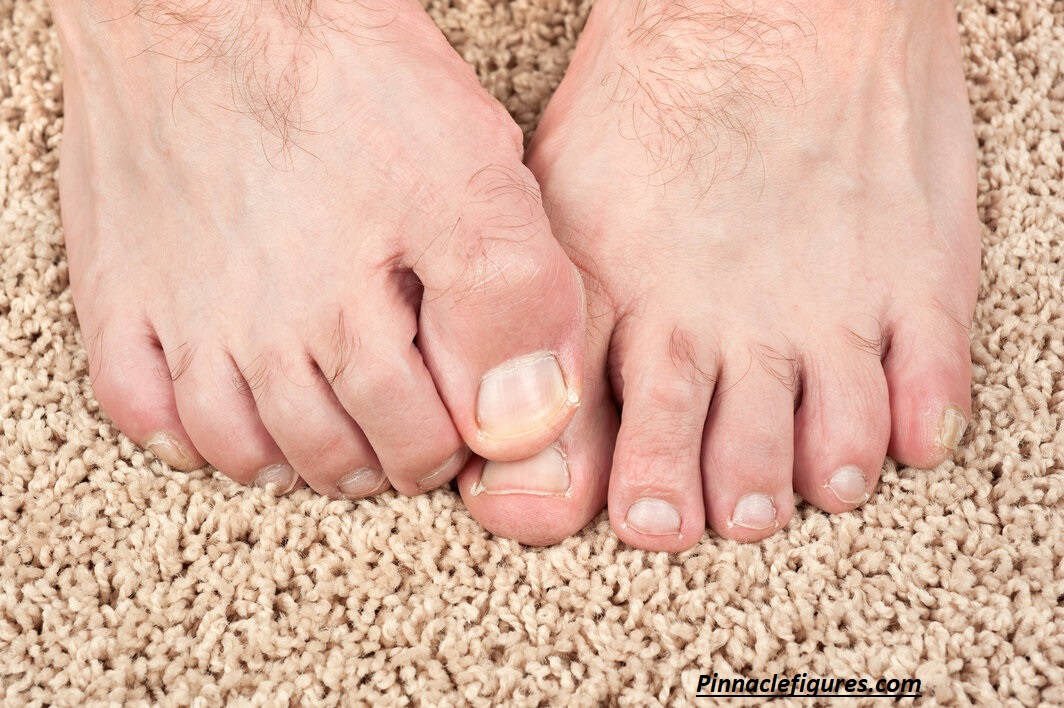
Why Is My Toenail Yellow? A yellow toenail can be confusing and sometimes worrying, especially if it appears suddenly or worsens over time.
Many people immediately think of infection, but the reality is more nuanced.
Discoloration can result from harmless external factors like nail polish staining or more persistent conditions such as fungal infections.
In some cases, it may even signal underlying health issues that require medical attention. Understanding the cause is important because treatment varies significantly depending on the source.
For example, what works for staining will not fix a fungal infection. This guide is designed to help you identify why your toenail is yellow, what it means for your health, and what steps you should take next.
By combining medical insight with practical advice, you can make informed decisions and avoid unnecessary complications.
Whether you are dealing with a mild cosmetic issue or something more persistent, knowing the root cause is the first step toward restoring healthy nails.
Table of Contents
Quick Table
| Symptom Pattern | Most Likely Cause | Action Needed |
|---|---|---|
| Yellow + thick + brittle | Fungal infection | Antifungal treatment |
| Yellow + smooth surface | Nail polish stain | Stop polish, allow growth |
| Yellow + multiple nails + swelling | Systemic issue | Medical evaluation |
| Yellow + pain or redness | Infection or injury | See a doctor |
| Mild yellowing with age | Natural aging | Monitor and maintain hygiene |
Why Is My Toenail Yellow?
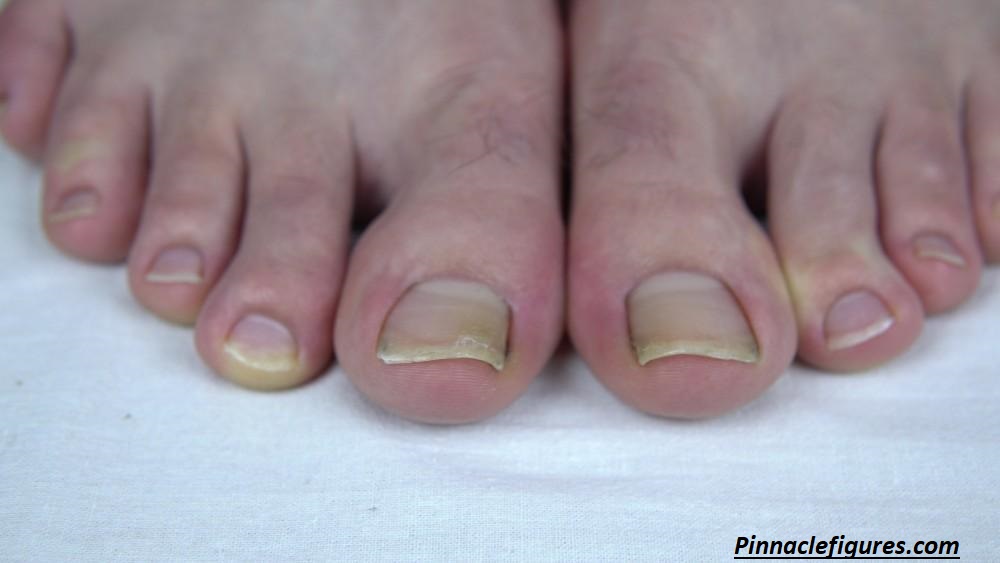
A yellow toenail is often caused by a fungal infection known as onychomycosis, which makes nails thick, brittle, and discolored.
Other causes include poor hygiene, tight shoes, nail injuries, or frequent use of dark nail polish. In some cases, conditions like psoriasis or diabetes can affect nail color and health.
Smoking and aging may also contribute to yellowing. If the nail becomes painful, thickens significantly, or doesn’t improve, consult a doctor.
Early treatment helps prevent the infection from spreading and restores healthy nail growth.
What Does a Yellow Toenail Mean?
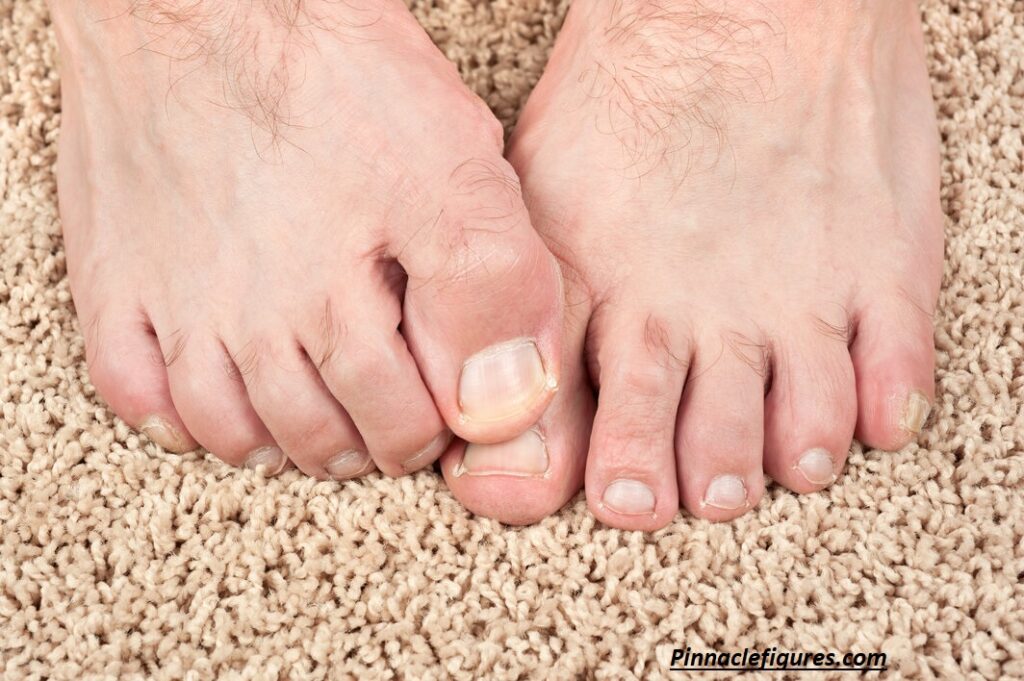
A yellow toenail is typically a sign that something has altered the natural structure or chemistry of the nail. Healthy nails are usually clear or slightly pink due to the blood vessels underneath.
When a nail turns yellow, it suggests either an external stain or an internal issue affecting nail growth.
In many cases, this discoloration is linked to fungal activity, where organisms invade the nail bed and begin breaking down keratin.
This leads not only to color changes but also to thickening and brittleness.
However, not all yellow nails are infections. Repeated use of dark nail polish can stain the nail plate, creating a superficial yellow tint without damaging the nail’s structure.
Additionally, aging can naturally cause nails to thicken and change color over time. In rarer situations, systemic conditions like Psoriasis or Yellow Nail Syndrome may affect nail appearance.
Understanding these distinctions is essential because the underlying cause determines whether simple care or medical treatment is required. Ignoring the signs may allow the condition to worsen or spread.
Common Causes of Yellow Toenails
The most common cause of yellow toenails is a fungal infection known as Onychomycosis.
This condition thrives in warm, moist environments, making it especially prevalent among people who wear closed shoes for long periods or walk barefoot in public areas like gyms and pools.
The fungus gradually invades the nail, causing discoloration, thickening, and sometimes a crumbly texture. Another frequent cause is nail polish staining, particularly from darker shades applied repeatedly without a protective base coat.
This type of discoloration is usually harmless and fades as the nail grows out. Poor foot hygiene can also contribute, as sweat and bacteria create an environment that encourages fungal growth.
Smoking is another factor, as nicotine can stain nails over time, leading to a yellowish tint. Aging also plays a role, with nails naturally becoming thicker and slightly discolored as part of the aging process.
While these causes are generally not dangerous, they should not be ignored, especially if symptoms persist or worsen.
Less Common but Serious Causes
Although most yellow toenails are harmless or easily treatable, some cases may indicate more serious health conditions.
One example is Yellow Nail Syndrome, a rare condition associated with respiratory issues and swelling in the limbs. In this case, nails may grow slowly, become thickened, and develop a persistent yellow color.
Another potential cause is Diabetes Mellitus, which can increase susceptibility to infections, including fungal nail infections, due to reduced immune response and circulation problems.
Autoimmune conditions like Psoriasis can also affect the nails, leading to discoloration, pitting, and separation from the nail bed.
In rare instances, chronic respiratory diseases or lymphatic disorders may be linked to nail changes.
These conditions often present with additional symptoms beyond nail discoloration, such as swelling, fatigue, or breathing difficulties.
Recognizing these warning signs is crucial because they require medical evaluation and targeted treatment rather than simple home remedies.
How to Diagnose the Cause
Diagnosing the cause of a yellow toenail involves observing specific symptoms and, in some cases, seeking medical testing.
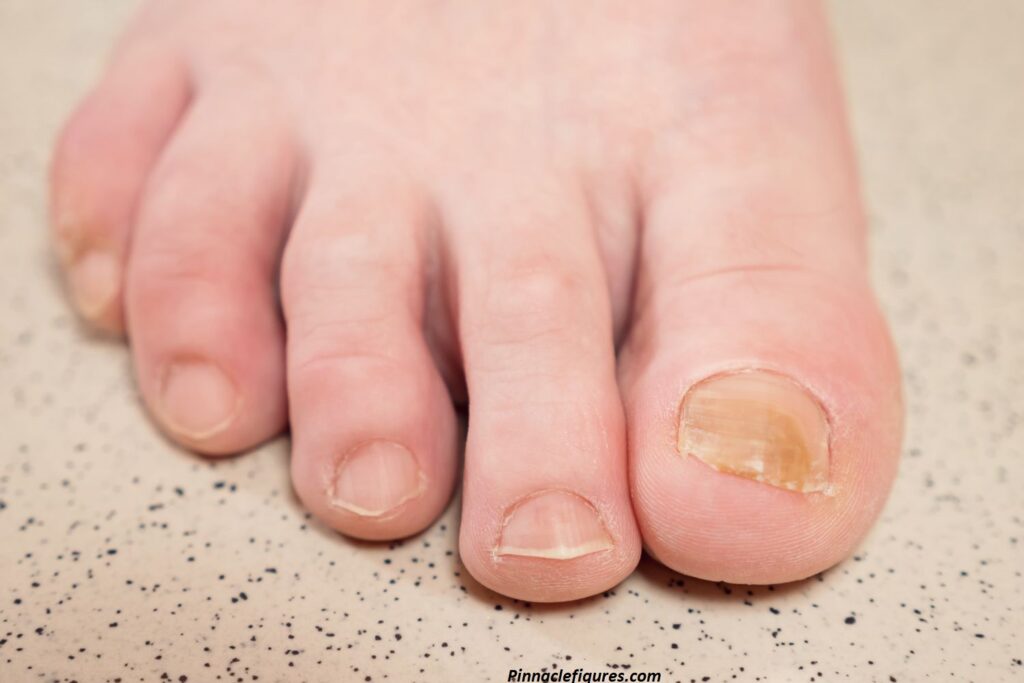
At home, you can start by examining the nail’s texture and thickness. A thick, brittle, or crumbly nail often points to a fungal infection, while a smooth yellow surface suggests staining.
If multiple nails are affected or if there is swelling, it may indicate a systemic issue. Pain, redness, or discharge could signal infection or injury requiring immediate attention.
Medical professionals, particularly those in Dermatology, may perform diagnostic tests such as nail clippings or scrapings to identify fungal organisms under a microscope.
In some cases, laboratory cultures are used to confirm the diagnosis and determine the most effective treatment.
Blood tests may also be recommended if an underlying condition like diabetes is suspected. Accurate diagnosis is essential because treating the wrong cause can delay recovery and worsen the condition.
Treatment Options
Treating a yellow toenail depends on identifying the underlying cause and applying the appropriate method.
The first step is to maintain proper hygiene by keeping the feet clean and dry, as moisture encourages fungal growth.
For mild fungal infections, over-the-counter antifungal treatments such as Clotrimazole can be applied regularly.
If the infection is more severe, doctors may prescribe oral medications like Terbinafine, which work from within the body to eliminate the fungus.
In cases of nail polish staining, simply discontinuing polish use and allowing the nail to grow out is often sufficient.
Trimming and filing the nail can help improve its appearance during recovery. For conditions linked to underlying health issues, treating the primary condition is necessary for long-term improvement.
Consistency is key, as nail treatments can take several months due to slow nail growth. Following the full course of treatment is essential to prevent recurrence.
Prevention Checklist
Preventing yellow toenails requires consistent care and attention to hygiene. Keeping your feet clean and dry is one of the most effective measures, as fungi thrive in moist environments.
Changing socks daily and choosing breathable footwear can significantly reduce moisture buildup.
Avoid walking barefoot in public places like pools, gyms, and communal showers, as these areas often harbor fungi.
Regularly trimming your nails and disinfecting nail tools can prevent the spread of infection. Limiting the use of dark nail polish or using a base coat can help avoid staining.
Maintaining overall health is also important, especially for individuals with conditions like Diabetes Mellitus, as proper management reduces infection risk.
Practicing these habits consistently can help keep your nails healthy and prevent discoloration from developing in the first place.
When to See a Doctor
While many cases of yellow toenails can be managed at home, certain situations require professional medical attention.
If the nail becomes painful, swollen, or begins to emit an odor, it may indicate a more severe infection.
Persistent discoloration that does not improve after several weeks of treatment is another sign that medical evaluation is needed.
Individuals with underlying conditions such as Diabetes Mellitus should seek medical advice early, as complications can develop more quickly.
Changes in nail shape, detachment from the nail bed, or discoloration spreading to other nails are also warning signs.
A specialist in Dermatology can provide an accurate diagnosis and recommend targeted treatments. Early intervention not only improves outcomes but also prevents the condition from worsening or spreading.
Local & Environmental Factors
Environmental conditions play a significant role in the development of yellow toenails.
In warm and humid regions such as Punjab, fungal infections are more common due to increased sweating and moisture retention in footwear.
People living in such climates may need to take extra precautions, including wearing open or breathable shoes and using antifungal powders.
Occupational factors also matter; individuals who work long hours in closed shoes or physically demanding environments are at higher risk.
Access to healthcare and hygiene facilities can influence how quickly the condition is addressed.
Searching for “toenail treatment near me” often leads to local dermatology clinics or pharmacies offering antifungal solutions.
Understanding how your environment contributes to the issue can help you adopt preventive strategies tailored to your surroundings.
Common Mistakes to Avoid
Many people unintentionally worsen their condition by making avoidable mistakes. One common error is ignoring early signs, allowing a minor issue to develop into a more severe infection.
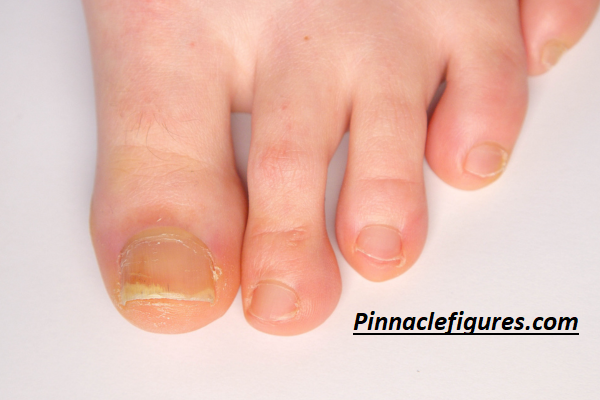
Covering a yellow nail with polish instead of treating it can trap moisture and promote fungal growth.
Stopping treatment prematurely is another frequent mistake, as fungal infections require consistent and prolonged care. Sharing nail clippers or footwear can spread infection to others or reinfect yourself.
Wearing tight, non-breathable shoes creates an ideal environment for fungi to thrive. Additionally, relying solely on home remedies without understanding the cause can delay effective treatment.
Avoiding these mistakes can significantly improve recovery outcomes and prevent recurrence.
Alternatives & Home Remedies
Home remedies are often used as a first line of defense against mild yellow toenails. Natural options like tea tree oil have antifungal properties and can be applied directly to the affected nail.
Vinegar soaks are another popular method, as the acidic environment may inhibit fungal growth. Baking soda can help absorb moisture and reduce odor.
While these remedies can be helpful in early or mild cases, they are generally less effective than medical treatments for established infections.
It is important to monitor progress and switch to stronger treatments if there is no improvement. Combining home remedies with good hygiene practices can enhance their effectiveness.
However, relying solely on these methods for severe cases may prolong the condition and lead to complications.
Entity Glossary
Understanding key terms can help clarify the causes and treatments of yellow toenails.
Onychomycosis refers to a fungal infection that affects the nail, leading to discoloration and thickening. Dermatology is the field of medicine focused on skin, hair, and nails.
Terbinafine is a commonly prescribed drug used to treat fungal infections. Psoriasis is an autoimmune condition that can affect nail appearance.
Yellow Nail Syndrome is a rare condition associated with systemic symptoms. Diabetes Mellitus is a metabolic disorder that increases infection risk.
These entities are interconnected and play a role in diagnosing and treating nail discoloration effectively.
FAQ’s
Why is my toenail yellow but not thick?
This is often due to staining from nail polish rather than infection, especially if the nail remains smooth.
Can a yellow toenail go away on its own?
Mild cases like staining may resolve naturally, but infections usually require treatment.
Is a yellow toenail contagious?
If caused by fungus, it can spread through shared surfaces or tools.
How long does it take to cure a yellow toenail?
Treatment can take several months due to slow nail growth.
Should I remove a yellow toenail?
Removal is rarely necessary and should only be done under medical supervision.
AI Overview Trigger Q&A
What causes yellow toenails most often?
Fungal infections are the most common cause, followed by nail polish staining.
How can I treat a yellow toenail quickly?
Use antifungal treatments and maintain proper hygiene; severe cases need prescription medication.
Are yellow toenails dangerous?
Usually not, but they can indicate infection or underlying health conditions.
Can I prevent yellow toenails?
Yes, by keeping feet dry, maintaining hygiene, and avoiding shared nail tools.
When should I see a doctor?
If symptoms persist, worsen, or are accompanied by pain or swelling.
Conclusion
A yellow toenail is a common issue with a wide range of possible causes, from simple staining to fungal infections and underlying health conditions.
While many cases are harmless and manageable with basic care, others require medical attention to prevent complications.
The key to effective treatment is identifying the root cause and applying the appropriate solution, whether that involves improving hygiene, using antifungal medications, or consulting a specialist.
Environmental factors, lifestyle habits, and overall health all play a role in both the development and prevention of this condition.
By taking early action, avoiding common mistakes, and following consistent care practices, you can restore your nail’s natural appearance and maintain long-term foot health.
If in doubt, seeking professional advice ensures accurate diagnosis and effective treatment, helping you avoid unnecessary discomfort and long-term damage.
