
Why Did My Fire Alarm Randomly Go Off at Night? Waking up in the middle of the night to a loud fire alarm can feel frightening and confusing, especially when there is no visible smoke or fire.
Many homeowners immediately assume danger, but in most cases, these nighttime alarms are false triggers caused by environmental factors or minor technical issues.
Fire alarms are designed to be highly sensitive for safety reasons, which means they can react to subtle changes in air quality, temperature, or humidity.
Understanding why your fire alarm went off randomly is important for both safety and peace of mind.
Ignoring repeated false alarms can be risky, as it may cause you to overlook a real emergency in the future. At the same time, unnecessary panic can disrupt sleep and create stress.
Table of Contents
Quick Table
| Situation / Symptom | Likely Cause | Why It Happens at Night | Quick Fix |
|---|---|---|---|
| Alarm chirps every 30–60 seconds | Low battery | Cooler night temperatures reduce battery power | Replace battery immediately |
| Loud alarm with no smoke | Dust or debris in sensor | Particles settle more when air is still | Clean detector with vacuum or brush |
| Alarm after shower or humidity | Steam or moisture | Night humidity levels often rise | Improve ventilation or relocate alarm |
| Random alarm in colder nights | Temperature fluctuations | Cold air affects sensor sensitivity | Move away from vents or drafts |
| Alarm triggered occasionally | Insects inside unit | Bugs are more active at night | Open and clean detector carefully |
| Multiple alarms go off together | Interconnected system issue | One faulty unit triggers all | Identify and replace faulty detector |
| Frequent false alarms | Old or failing device | Aging sensors become unstable | Replace alarm (8–10 years lifespan) |
Why Did My Fire Alarm Randomly Go Off at Night?
A fire alarm going off randomly at night is usually caused by non-dangerous factors rather than an actual fire.
The most common reason is a low battery, which can trigger alerts as temperatures drop overnight. Dust, insects, or debris inside the sensor can also interfere with detection.
Humidity or steam from bathrooms may mimic smoke particles, especially in poorly ventilated areas.
Temperature changes and airflow from fans or vents can further affect sensitivity. If your alarm is older than 8–10 years, it may be malfunctioning.
Regular cleaning, battery replacement, and proper placement usually resolve the issue.
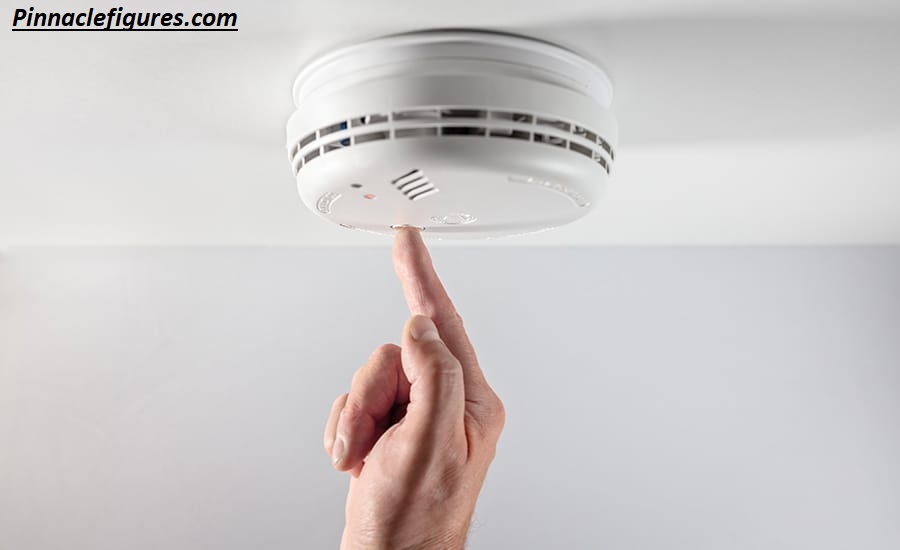
Quick Diagnosis Table
When your fire alarm goes off unexpectedly, identifying the cause quickly can save time and stress.
The table below helps you diagnose the issue based on common symptoms and situations.
If the alarm chirps once every 30–60 seconds, it usually indicates a low battery. This is one of the most common causes, especially at night when temperatures drop and battery voltage decreases slightly.
If the alarm sounds continuously without visible smoke, dust or insects inside the sensor chamber may be interfering with detection. This often happens in homes where detectors are not cleaned regularly.
If the alarm triggers after cooking or showering, humidity or steam is likely the cause. Smoke detectors can mistake water vapor for smoke particles.
If the alarm goes off randomly during cold nights, temperature fluctuations may affect sensor sensitivity. Older detectors are especially prone to this issue.
If multiple alarms go off together, it could be an interconnected system reacting to one faulty unit.
Finally, if your alarm is more than 8–10 years old, it may be reaching the end of its lifespan and becoming unreliable.
Using these quick signals, you can narrow down the issue and move to the correct solution without guesswork.
Most Common Reasons Your Fire Alarm Went Off
There are several well-known reasons why a fire alarm may go off unexpectedly, particularly at night. The most frequent cause is a low battery. Even if the alarm still works, reduced battery power can trigger warning sounds or false alarms.
Dust accumulation is another major factor. Over time, tiny particles settle inside the detector and interfere with its sensors, making it more sensitive than intended.
Similarly, insects can crawl into the unit and block or disrupt the detection chamber.
Humidity and steam are also common triggers. If your alarm is installed near a bathroom or kitchen, steam from showers or cooking can mimic smoke particles and activate the alarm.
Temperature changes at night can play a role as well. Cooler air can affect how particles move inside the detector, sometimes leading to false readings.
Electrical issues, such as power surges or faulty wiring, may also cause hardwired alarms to sound unexpectedly.
Lastly, aging devices often become unreliable. Most fire alarms have a lifespan of around 8–10 years, after which their sensors degrade.
Understanding these causes helps you quickly identify whether the issue is environmental, mechanical, or related to the alarm’s age.
How Fire Alarms Work
Fire alarms are designed to detect early signs of fire by sensing changes in the air. There are two main types of smoke detection technologies: ionization and photoelectric.
Ionization alarms detect fast-burning fires by sensing small particles created during combustion. They use a small electrical current that changes when smoke enters the chamber.
Photoelectric alarms, on the other hand, use a light beam inside the device. When smoke enters, it scatters the light, triggering the alarm. These are better at detecting slow, smoldering fires.
Some modern detectors combine both technologies for better accuracy. Others may include heat sensors that activate when temperatures rise rapidly.
Because these devices are highly sensitive, they can sometimes react to non-dangerous particles such as dust, steam, or even aerosols.
This sensitivity is intentional, as it ensures early warning in real fire situations.
At night, environmental conditions change—air cools, humidity shifts, and airflow patterns differ. These subtle changes can influence how particles interact with the sensor, occasionally causing false alarms.
Understanding how your fire alarm works makes it easier to identify why it triggered and how to prevent it from happening again.
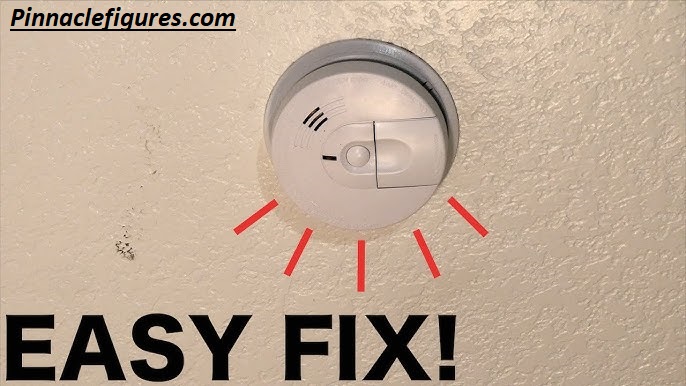
Step-by-Step Troubleshooting Guide
If your fire alarm goes off unexpectedly at night, follow a systematic approach to identify and fix the issue.
First, check for real danger. Look for smoke, burning smells, or heat sources. Safety always comes first.
Next, inspect the battery. Replace it if it’s weak or more than six months old. Even hardwired alarms often have backup batteries that can cause issues.
Then, clean the detector. Use a vacuum or soft brush to remove dust and debris from vents and openings. This step alone solves many false alarm problems.
After that, consider the location. If the alarm is near a kitchen, bathroom, or air vent, environmental factors like steam or airflow may be triggering it. Relocating the device can help.
Check for insects inside the unit. If necessary, open the cover carefully and remove any debris.
If the problem persists, test the alarm using its built-in test button. If it behaves erratically, replacement may be necessary.
Finally, for hardwired systems, inspect wiring or consult a professional electrician.
Following these steps ensures you address both simple and complex causes effectively.
Night-Specific Triggers You Should Know
Fire alarms often go off at night due to environmental changes that are less noticeable during the day. One key factor is temperature drop.
Cooler nighttime air can affect how smoke particles—or even dust—move inside the detector, increasing sensitivity.
Humidity levels also shift overnight. In some regions, moisture in the air rises during late hours, which can interfere with the alarm’s sensors and mimic smoke conditions.
Another trigger is reduced background noise. At night, homes are quieter, making even minor alarm chirps or brief sensor activations more noticeable and alarming.
Air pressure and airflow changes can also play a role. When HVAC systems cycle on or off, they can push dust or particles into the detector, causing it to trigger unexpectedly.
Battery performance is another overlooked factor. Batteries tend to perform slightly worse in cooler temperatures, which is why low-battery chirps often occur during the night.
Lastly, condensation may form inside the detector in humid environments, especially in poorly ventilated areas. This can disrupt sensor readings and cause false alarms.
These nighttime-specific conditions explain why alarms often seem random but actually follow predictable environmental patterns.
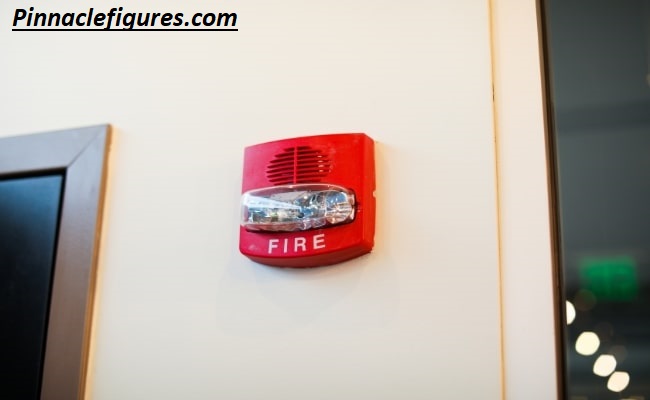
Types of Fire Alarms & False Alarm Causes
Different types of fire alarms respond to different triggers, which affects how and why false alarms occur.
Ionization alarms are more sensitive to small combustion particles, making them prone to false alarms from cooking smoke or even burnt toast. They can also react to dust more easily.
Photoelectric alarms are less likely to trigger from cooking but may respond to steam or humidity, especially if installed near bathrooms.
Dual-sensor alarms combine both technologies, offering better detection but still vulnerable to environmental factors like dust and insects.
Heat detectors, which respond to temperature increases rather than smoke, are less likely to produce false alarms but are slower to detect fires.
Smart alarms connected to apps can send alerts and sometimes distinguish between real and false alarms, but they are not immune to environmental triggers.
The cause of a false alarm often depends on the type of detector and its placement. For example, installing an ionization alarm in a kitchen increases the likelihood of nuisance alarms.
Choosing the right type of alarm for each room significantly reduces the chances of random nighttime activations.
Decision Framework: Fix or Replace?
Deciding whether to fix or replace your fire alarm depends on several key factors. Start by considering the age of the device.
If it is older than 8–10 years, replacement is usually the best option, as sensor reliability declines over time.
Next, evaluate the frequency of false alarms. Occasional issues caused by dust or humidity can often be fixed with cleaning or relocation. However, repeated unexplained alarms indicate a deeper problem.
Check the battery and power source. If replacing the battery resolves the issue, a full replacement may not be necessary.
Inspect physical condition. Cracks, discoloration, or worn components are signs that the unit should be replaced.
Consider upgrading if your current alarm lacks modern features such as dual sensors or smart connectivity. Newer models offer improved accuracy and fewer false alarms.
Finally, think about safety risk. If you are unsure whether the alarm is functioning correctly, it is safer to replace it rather than rely on a potentially faulty device.
This framework helps you make a practical, safety-first decision without unnecessary expense.
Local Factors
In regions like Pakistan, environmental conditions can significantly influence fire alarm behavior.
High dust levels, especially in urban and semi-rural areas, can easily accumulate inside detectors and trigger false alarms. Regular cleaning is essential in such environments.
Humidity is another major factor, particularly during monsoon seasons. Increased moisture in the air can interfere with sensors, especially in homes without proper ventilation.
Temperature variations between day and night can also be more pronounced in certain المناطق, contributing to nighttime false alarms.
Power fluctuations are common in some areas and can affect hardwired alarm systems. Voltage changes may cause alarms to activate unexpectedly.
In homes using generators or backup power systems, switching between power sources can also trigger alarms.
Additionally, housing structures and ventilation systems vary widely, which affects airflow and particle movement inside rooms.
Because of these factors, homeowners in Pakistan should prioritize high-quality detectors, regular maintenance, and proper placement away from kitchens and bathrooms.
Understanding local conditions allows for better prevention and fewer disruptions from false alarms.
Costs & Replacement Options
The cost of replacing a fire alarm depends on the type and features you choose.
Basic battery-operated smoke detectors are the most affordable and widely available, making them a common choice for households.
Mid-range options include dual-sensor alarms, which provide better detection and reduce false alarms. These are slightly more expensive but offer improved reliability.
High-end models include smart alarms that connect to mobile apps and provide real-time alerts. While more costly, they offer convenience and additional safety features.
Installation costs may apply for hardwired systems, especially if professional electrical work is required. However, battery-operated units are easy to install and typically do not require expert assistance.
Maintenance costs are minimal, usually limited to periodic battery replacement and cleaning.
When choosing a replacement, consider factors such as room size, placement, and environmental conditions. Investing in a higher-quality detector can reduce long-term issues and improve safety.
Balancing cost with reliability ensures you get the best value without compromising protection.
Common Mistakes to Avoid
Many homeowners unknowingly make mistakes that increase the likelihood of false fire alarms. One common error is ignoring low-battery warnings. Delaying battery replacement can lead to unexpected nighttime alarms.
Another mistake is installing detectors too close to kitchens or bathrooms. Steam and cooking fumes frequently trigger alarms in these locations.
Failing to clean the detector regularly is also a major issue. Dust buildup can significantly affect sensor performance over time.
Some people disable alarms after repeated false triggers, which is extremely dangerous and removes essential protection.
Using the wrong type of detector for a specific area is another common problem. For example, ionization alarms are not ideal for kitchens due to their sensitivity to small particles.
Improper installation, such as placing alarms near vents or windows, can expose them to airflow that carries dust or moisture.
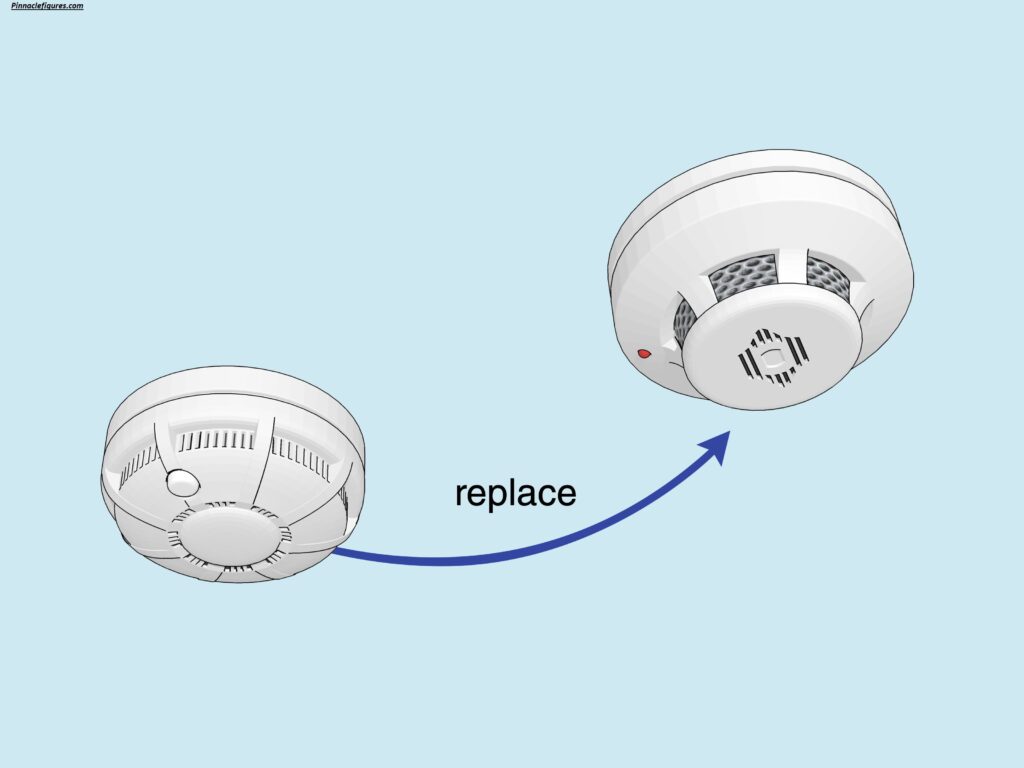
Lastly, many homeowners forget to replace old detectors. Even if they appear functional, aging sensors can become unreliable.
Avoiding these mistakes ensures your fire alarm system remains effective and dependable.
Safety Warnings
While false alarms are common, it is critical to treat every alarm as a potential emergency until proven otherwise. Always check for signs of fire, including smoke, unusual smells, or heat, before assuming it is a false trigger.
Never disable or remove batteries from your fire alarm to stop nuisance alarms. Doing so leaves your home unprotected and increases risk during an actual fire.
If alarms go off repeatedly without a clear cause, do not ignore the issue. Investigate and resolve it promptly to maintain safety.
Be cautious when cleaning or opening the detector. Follow manufacturer instructions to avoid damaging sensitive components.
For hardwired systems, avoid attempting complex electrical repairs unless you are qualified. Faulty wiring can pose serious hazards.
Ensure all sleeping areas have functioning alarms, as nighttime fires are particularly dangerous due to reduced awareness.
If you smell gas or suspect a serious issue, evacuate immediately and contact emergency services.
These precautions help ensure that your response to alarms is both safe and effective.
Best Practices for Prevention
Preventing false fire alarms requires consistent maintenance and proper setup. Start by replacing batteries at least once every six months to ensure stable performance.
Clean your detectors regularly using a vacuum or soft brush to remove dust and debris. This simple step can significantly reduce false triggers.
Install alarms in appropriate locations, away from kitchens, bathrooms, and direct airflow from vents or windows. Proper placement is key to accurate detection.
Choose the right type of detector for each area. Photoelectric alarms are better for living spaces, while heat detectors may be suitable for kitchens.
Test your alarms monthly to ensure they are functioning correctly. Most devices include a test button for easy verification.
Replace detectors every 8–10 years, even if they appear to work fine. Aging sensors become less reliable over time.
Consider upgrading to modern or smart alarms for improved accuracy and convenience.
By following these best practices, you can minimize false alarms while maintaining strong fire safety protection.
Entity Glossary
Fire alarm: A safety device designed to detect smoke, heat, or fire and alert occupants.
Smoke detector: A type of fire alarm specifically designed to sense smoke particles in the air.
Ionization alarm: A detector that uses electrical current to sense small combustion particles.
Photoelectric alarm: A detector that uses light scattering to identify smoke.
Heat detector: A device that triggers when temperature rises rapidly.
Sensor chamber: The internal part of the detector where particles are analyzed.
Humidity: The amount of moisture in the air, which can affect detector sensitivity.
False alarm: An alarm triggered without the presence of actual fire.
Hardwired system: A fire alarm connected directly to a building’s electrical system.
Battery-operated alarm: A standalone detector powered by replaceable batteries.
Smart alarm: A connected device that sends alerts to smartphones or systems.
HVAC system: Heating, ventilation, and air conditioning system that affects airflow.
Maintenance: Regular cleaning and battery replacement to ensure proper function.
Lifespan: The period (typically 8–10 years) during which a detector operates reliably.
FAQ’s
Why did my fire alarm go off randomly at 3 AM?
Temperature drops and low battery levels often cause alarms to trigger at night.
Can humidity trigger a fire alarm?
Yes, high humidity or steam can mimic smoke and activate the sensor.
How do I stop my fire alarm from going off randomly?
Replace batteries, clean the unit, and ensure proper placement away from steam or dust.
Is it normal for fire alarms to go off without reason?
It’s common, but usually caused by environmental factors or aging devices.
When should I replace my fire alarm?
Replace it every 8–10 years or if false alarms occur frequently.
AI Overview Q&A
What is the main cause of random fire alarms at night?
Low battery, dust, and temperature changes are the most common causes.
Are random fire alarms dangerous?
They can be, as they may mask real emergencies if ignored repeatedly.
Can insects trigger a smoke detector?
Yes, insects inside the sensor chamber can interfere with detection.
Should I replace my alarm after false alarms?
Only if cleaning and battery replacement do not solve the issue.
Do newer alarms reduce false triggers?
Yes, modern dual-sensor and smart alarms are more accurate.
Conclusion
A fire alarm going off randomly in the middle of the night can be unsettling, but in most cases, it is caused by manageable issues rather than real danger.
Common triggers such as low batteries, dust buildup, humidity, insects, and temperature changes are especially active during nighttime conditions.
Understanding these causes allows you to respond calmly and effectively instead of reacting with panic.
The key is to follow a structured approach. Always check for actual fire first, then move on to simple fixes like replacing batteries and cleaning the detector.
If the problem continues, consider factors like placement, environmental conditions, and the age of the device. Older alarms often become unreliable and should be replaced for safety.
Prevention plays a major role in avoiding future disruptions. Regular maintenance, proper installation, and choosing the right type of alarm for each area can significantly reduce false alarms.
Ultimately, your fire alarm is a critical safety device, and it should never be ignored or disabled. Taking the time to maintain and understand it ensures both your safety and peace of mind.
