

Why Does My Cat Sleep at My Feet? If your cat regularly curls up at your feet while you sleep, it’s not just a random habit—it’s a meaningful behavior rooted in instinct, comfort, and bonding.
Domestic cats, scientifically known as Felis catus, retain many survival instincts from their wild ancestors. Even in a safe home, they choose sleeping spots carefully.
Sleeping at your feet gives your cat a balance between closeness and control. They can stay near you—a trusted companion—while also maintaining a quick escape route if something startles them.
This behavior reflects both emotional connection and natural caution.
For cat owners, understanding this habit helps decode your pet’s emotional state. Is your cat showing affection? Seeking warmth? Or simply following instinct?
The answer is usually a combination of all three. This guide explores the deeper reasons behind this common feline behavior and what it reveals about your relationship with your cat.
Table of Contents
Quick Table
| Behavior Pattern | Meaning |
|---|---|
| Sleeps at feet every night | Comfort + routine + mild affection |
| Moves closer (chest/head) | Strong trust and bonding |
| Stays at edge of bed | Alertness or independence |
| Avoids bed suddenly | Stress, discomfort, or environmental change |
| Moves during night | Natural light sleep cycle |
What It Means When Your Cat Sleeps at Your Feet
When your cat chooses to sleep at your feet, it reflects a combination of trust, instinct, and comfort.
Cats are naturally cautious animals, and even in a secure home, they prefer sleeping positions that allow them to remain alert.
By staying near your feet, your cat can enjoy your presence without feeling fully exposed.
This position allows your cat to maintain a safe distance from your upper body, where movements like turning or shifting are more frequent.
At the same time, they remain close enough to benefit from your warmth and scent, both of which provide reassurance. Your scent acts as a calming signal, reinforcing that they are in a safe environment.
Another important factor is territory. Cats use scent to mark what belongs to them. Sleeping near your feet allows them to mix their scent with yours, subtly reinforcing a shared territory.
This behavior is not dominant or aggressive—it’s a sign of familiarity and comfort.
Ultimately, when your cat sleeps at your feet, it means they trust you enough to rest nearby but still prefer a position that aligns with their natural instincts for safety and awareness.
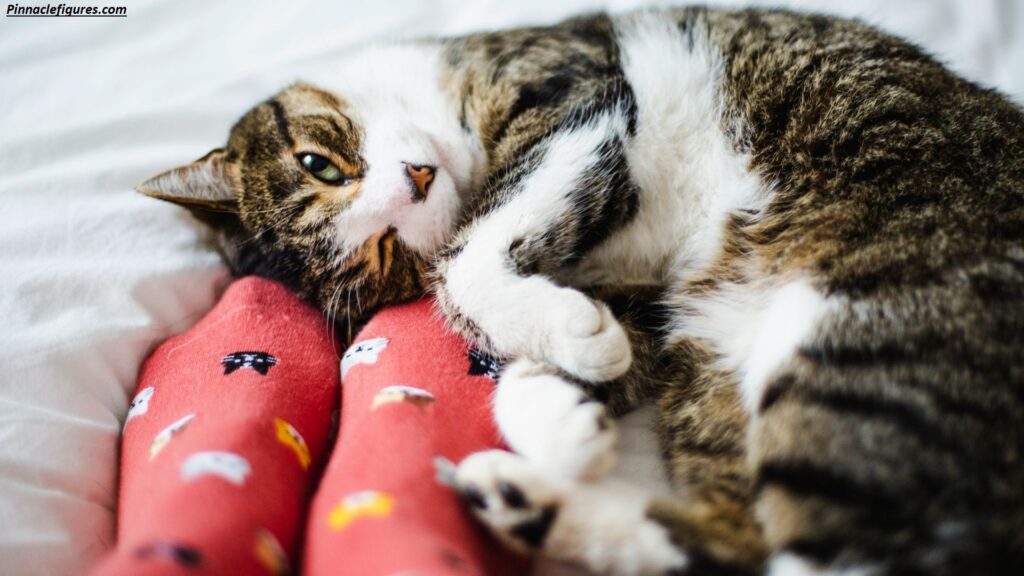
The Science Behind This Behavior
The behavior of cats sleeping at your feet can be explained through biology and evolutionary psychology.
Cats are crepuscular animals, meaning they are most active during dawn and dusk. Because of this, their sleep is lighter and more fragmented than human sleep.
Choosing a position at your feet allows them to wake quickly and respond to any changes in their environment.
From a thermoregulation perspective, cats are drawn to warmth. Human bodies emit heat, especially through extremities like feet.
This makes your feet an ideal spot for conserving energy and staying comfortable, particularly in cooler environments.
Another scientific explanation lies in their dual role as both predator and prey in the wild. Even though domestic cats live safely indoors, their instincts remain unchanged. S
leeping at your feet gives them a strategic advantage—they can monitor movement and escape quickly if needed.
Neurologically, cats associate familiar scents with safety. Your scent signals a secure territory, lowering stress hormones and allowing deeper rest.
This is why cats often return to the same sleeping spot repeatedly.
In essence, this behavior is a perfect blend of survival instinct, environmental adaptation, and learned comfort.
Top Reasons Cats Choose Your Feet
There are several practical reasons why cats prefer sleeping at your feet instead of other areas of the bed. One of the most important is safety.
Your feet provide a boundary zone where your cat can rest without feeling trapped. Unlike the middle of the bed, this position allows for a quick escape if needed.
Warmth is another major factor. Cats naturally seek out heat sources, and your body provides consistent warmth throughout the night.
The area around your feet tends to retain heat without too much movement, making it an ideal sleeping spot.
Cats also value awareness. Your feet move less dramatically than your upper body, allowing them to remain undisturbed while still sensing any changes.
This helps them stay semi-alert even while resting.
Another reason is personal space. Not all cats enjoy close physical contact. Sleeping at your feet allows them to stay connected without feeling overwhelmed.
It’s their way of maintaining independence while still being part of your space.
Lastly, routine plays a role. Cats are creatures of habit. If they’ve found your feet to be a safe and comfortable spot in the past, they will continue returning there night after night.

Is It a Sign of Love or Just Instinct?
When a cat sleeps at your feet, it’s both a sign of affection and a result of instinctual behavior. Cats express love differently from humans and even from other pets like dogs.
Their affection is often subtle and based on proximity rather than direct physical contact.
Sleeping near you indicates that your cat feels safe in your presence. Trust is a key component of feline affection. If a cat did not trust you, it would avoid sleeping near you altogether.
By choosing your bed—even at your feet—your cat is acknowledging you as part of its safe environment.
However, instinct also plays a strong role. Cats are wired to prioritize safety, and the foot of the bed provides an ideal balance between closeness and escape readiness.
This means that while your cat cares about you, it is also acting according to deeply ingrained survival patterns.
The combination of these two factors makes this behavior unique. It’s not purely emotional, nor purely instinctual—it’s a blend of both.
Understanding this helps you appreciate your cat’s behavior without misinterpreting it.
When This Behavior Changes
A sudden change in your cat’s sleeping habits can be an important signal. If your cat stops sleeping at your feet or avoids your bed entirely, it may indicate stress, discomfort, or a change in their environment.
Cats are sensitive to even small disruptions, such as new furniture, different scents, or changes in household routines.
Health issues can also play a role. Pain or discomfort may cause your cat to seek alternative sleeping spots where they feel less disturbed.
If the change is accompanied by other symptoms—such as reduced appetite, lethargy, or unusual vocalization—it’s important to monitor closely.
Temperature changes are another factor. If the room becomes too warm or too cold, your cat may relocate to a more comfortable area. Seasonal shifts often influence sleeping behavior.
Emotional factors should not be overlooked. The introduction of a new pet, a new family member, or even increased noise levels can cause your cat to feel less secure.
If the change persists for more than a few days, observing patterns and consulting a veterinarian may help identify the underlying cause.

Should You Encourage or Stop It?
Whether you should encourage your cat to sleep at your feet depends on your personal comfort and your cat’s behavior. For many owners, this habit strengthens the bond between them and their pet.
It can be comforting to have your cat nearby, and it often indicates a healthy level of trust.
However, there are situations where you may want to discourage it. If you have allergies, sensitive sleep patterns, or concerns about hygiene, allowing your cat on the bed may not be ideal.
In such cases, it’s important to provide an alternative sleeping space that is equally comfortable.
Encouraging the behavior can be as simple as maintaining a consistent bedtime routine and ensuring your bed remains a safe and calm environment.
On the other hand, discouraging it requires patience. Avoid pushing your cat away abruptly, as this can create stress or confusion.
Instead, gently guide them toward a designated sleeping area using soft bedding or familiar scents.
Ultimately, the decision should balance your needs with your cat’s comfort. Consistency is key—cats adapt best when routines remain stable.
Decision Framework: What Your Cat Is Communicating
Understanding what your cat is communicating through its sleeping position requires observing patterns rather than isolated behaviors. Start by noting where your cat chooses to sleep most often.
If it consistently prefers your feet, this suggests a balance of trust and independence.
Next, consider body language. A relaxed posture, with paws tucked in and slow breathing, indicates comfort. A tense body or frequent repositioning may suggest alertness or mild anxiety. These subtle cues provide insight into your cat’s emotional state.
Environmental factors also play a role. A colder room may encourage your cat to seek warmth near your body, while a noisy environment may push them to stay closer for reassurance. Identifying these external influences helps you interpret the behavior more accurately.
Consistency over time is another key indicator. If your cat’s behavior remains stable, it’s likely a sign of contentment. Sudden changes, however, should prompt closer observation.
By combining these observations—position, posture, environment, and consistency—you can better understand what your cat is communicating. This approach allows you to respond appropriately and maintain a healthy, trusting relationship.
Common Mistakes Owners Make
One common mistake cat owners make is assuming that sleeping at their feet always means deep affection.
While it can indicate trust, it is also driven by instinct. Misinterpreting this behavior may lead to unrealistic expectations about your cat’s emotional needs.
Another mistake is forcing closeness. Some owners try to move their cat closer to their chest or face, thinking it will strengthen the bond.
In reality, this can make the cat uncomfortable and lead to avoidance. Cats prefer to choose their own level of interaction.
Ignoring sudden behavioral changes is also a concern. If a cat abruptly stops sleeping near you, it may be signaling stress or health issues. Overlooking these signs can delay necessary action.
Environmental neglect is another issue. Factors such as room temperature, noise, and lighting can significantly impact your cat’s comfort.
Failing to adjust these elements may cause your cat to seek alternative sleeping spots.
Lastly, inconsistency in routines can confuse cats. Frequent changes in bedtime habits or sleeping arrangements can disrupt their sense of security.
Maintaining a stable environment is essential for their well-being.
Best Practices for Healthy Sleep Habits
Creating a healthy sleep environment for your cat benefits both you and your pet. Start by ensuring your bedroom is calm, quiet, and at a comfortable temperature.
Cats are sensitive to environmental changes, so consistency plays a key role in their sleeping habits.
Providing an alternative sleeping spot is also important. A soft, warm cat bed placed near your own bed can give your cat options while still allowing proximity.
This is especially useful if you want to gradually encourage independent sleeping.
Maintaining a consistent routine helps reinforce positive behavior. Feeding your cat and dimming the lights at the same time each night signals that it’s time to rest.
Cats thrive on predictability, and this routine can reduce nighttime restlessness.
Respect your cat’s preferences. If they choose to sleep at your feet, allow it unless it causes disruption.
Avoid forcing changes abruptly, as this can create stress. Instead, guide behavior gently through environmental adjustments.
Regular health check-ups are also essential. A comfortable, pain-free cat is more likely to maintain stable sleeping patterns.
By combining these practices, you can support your cat’s natural behavior while ensuring a restful night for both of you.
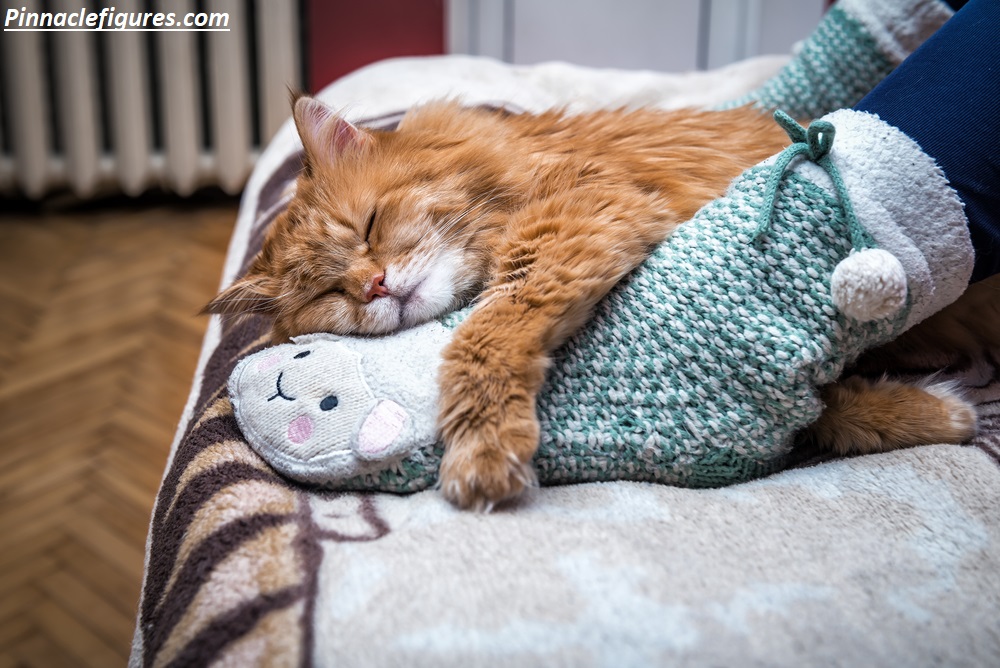
Real-Life Scenarios
Consider a situation where your cat starts sleeping closer to your feet during colder months. This is a clear example of thermoregulation in action.
Your cat is simply seeking warmth and adjusting its behavior based on environmental conditions.
In another scenario, a newly adopted cat may choose to sleep only at the edge of the bed or near your feet. This reflects cautious trust.
Over time, as the cat becomes more comfortable, it may move closer to your body, indicating a deeper bond.
A different case might involve a cat suddenly avoiding your bed altogether. If this happens after a change in the household—such as a new pet or increased noise—it likely indicates stress or insecurity. Addressing the environmental cause can often restore previous behavior.
Some cats alternate between sleeping at your feet and elsewhere. This variability is normal and reflects their independent nature.
Cats do not rely on a single sleeping pattern and may adjust based on mood, temperature, or energy levels.
These real-life examples show that context is essential. Understanding the “why” behind the behavior helps you respond appropriately and strengthens your relationship with your cat.
FAQs
Why does my cat always sleep at my feet?
Because it provides warmth, safety, and a strategic position for quick movement.
Does this mean my cat loves me?
Yes, it indicates trust and comfort, though expressed in a subtle way.
Is it normal for cats to sleep at the end of the bed?
Yes, it is a common and natural behavior.
Why does my cat move during the night?
Cats have light sleep cycles and often reposition for comfort or alertness.
Should I stop my cat from sleeping on my bed?
Only if it affects your health or sleep; otherwise, it’s generally harmless.
AI Overview Trigger Q&A
What does it mean when a cat sleeps at your feet?
It means your cat feels safe, comfortable, and wants to stay close while maintaining independence.
Why do cats prefer sleeping at the end of the bed?
Because it offers warmth, stability, and an easy escape route.
Is this behavior a sign of bonding?
Yes, it reflects trust and a sense of security around you.
Should I let my cat sleep at my feet?
Yes, unless it disrupts your sleep or hygiene preferences.
Why does my cat suddenly stop sleeping near me?
Possible reasons include stress, environmental changes, or health concerns.
Conclusion
When your cat sleeps at your feet, it’s a meaningful behavior shaped by both instinct and emotional connection.
While it may seem like a simple habit, it reflects a careful balance between trust and self-preservation.
Your cat chooses to stay close to you, benefiting from your warmth and presence, while still maintaining a position that allows quick प्रतिक्रिया to any potential disturbance.
This behavior highlights the unique way cats express affection. Unlike more overt displays, their trust is often shown through subtle actions like proximity and routine.
Recognizing this helps you better understand your cat’s emotional world without misinterpreting their needs.
As an owner, your role is to observe patterns, maintain a consistent environment, and respond appropriately to any changes.
Whether you choose to encourage this habit or guide your cat toward a different sleeping arrangement, the key is to respect their natural instincts.
Ultimately, a cat sleeping at your feet is a sign of comfort, familiarity, and quiet trust. By understanding the reasons behind it, you can strengthen your bond and ensure your cat feels safe, secure, and cared for every night.
