

Why Is My Mucus Yellow? Mucus plays an essential role in protecting your respiratory system, acting as a barrier that traps dust, bacteria, viruses, and other harmful particles before they reach your lungs.
Under normal conditions, mucus is clear and thin, helping maintain moisture in the nose and throat.
However, when it changes color—especially to yellow—it often signals that your body is actively responding to an infection or irritation.
Yellow mucus is commonly associated with illnesses such as Common Cold or Sinusitis, where the immune system sends white blood cells to fight invading pathogens.
As these cells break down, they release enzymes that give mucus its yellow tint.
While this change can look concerning, it is usually a normal part of the healing process. In many cases, yellow mucus appears after a few days of illness and may gradually clear up on its own.
However, understanding when it is harmless and when it signals a more serious condition is key.
This guide explains the causes, meaning, treatment options, and warning signs so you can make informed decisions about your health.
Table of Contents
Quick Table
Yellow mucus is a visible sign of how your body responds to infections or irritants. It often appears alongside symptoms like congestion, cough, or mild fatigue.
| Symptom/Factor | What It Indicates | Action Needed |
|---|---|---|
| Light yellow mucus | Early immune response | Monitor symptoms |
| Dark yellow mucus | Stronger infection | Rest and hydrate |
| Yellow + fever | Possible infection | Consider medical advice |
| Lasts over 10 days | Persistent condition | See a doctor |
| With facial pain | Sinus involvement | Medical evaluation |
This quick overview helps you identify whether your condition is mild or requires attention.
Why Is My Mucus Yellow?
Yellow mucus usually means your immune system is actively fighting an infection.
When your body detects viruses or bacteria—such as in the Common Cold or Sinusitis—white blood cells are sent to the affected area.
These cells release enzymes that give mucus its yellow color.
In most cases, this is a normal part of the healing process and not a cause for concern. Yellow mucus often appears after a few days of illness and improves as you recover.
However, if it lasts more than 10 days or is accompanied by fever, pain, or worsening symptoms, you should consult a doctor.
What Does Yellow Mucus Mean?
Yellow mucus is a sign that your immune system is actively fighting an infection.
When your body detects harmful invaders such as viruses or bacteria, it sends white blood cells to the affected area. These cells release enzymes that can change the color of mucus from clear to yellow.
This process is part of the body’s natural defense mechanism and is often seen during respiratory infections like the Common Cold.
As the immune response intensifies, mucus may thicken and become more noticeable, especially in the nose, throat, or chest.
It’s important to understand that yellow mucus does not automatically mean a bacterial infection. Many viral infections can produce the same color change.
However, the duration and severity of symptoms matter. If the yellow mucus persists or worsens, it may indicate complications such as Sinusitis.
In most cases, yellow mucus is temporary and resolves as your body recovers. Monitoring accompanying symptoms like fever, fatigue, or pain can help determine whether additional care is needed.

Common Causes
Several conditions can lead to yellow mucus, most of which are related to infections or inflammation in the respiratory system.
The most common cause is the Common Cold, where the body produces extra mucus to flush out viruses.
Another frequent cause is Sinusitis, which occurs when the sinus cavities become inflamed and filled with mucus.
Allergies can also play a role. While they usually cause clear mucus, prolonged irritation can lead to thicker, yellowish discharge.
Environmental factors such as pollution, smoke, and dust—common in many urban areas—can further irritate the nasal passages.
In some cases, yellow mucus may be linked to infections like Influenza or mild respiratory infections. Dehydration can also thicken mucus, making it appear darker.
Less commonly, bacterial infections can cause persistent yellow or green mucus, often accompanied by fever, facial pain, or fatigue.
Identifying the underlying cause is essential for choosing the right treatment and avoiding complications.
Color Comparison Table
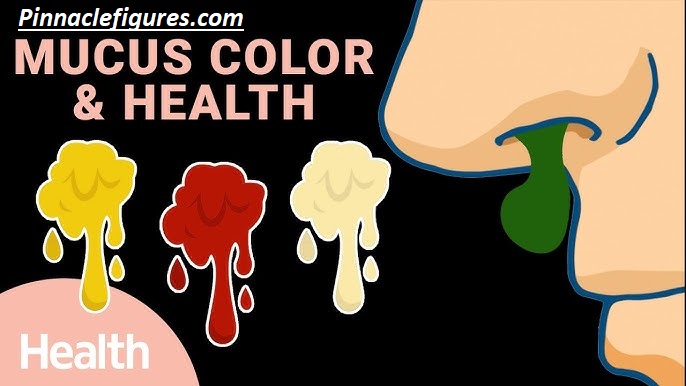
Mucus color can provide useful clues about your health, although it should not be used as the only diagnostic tool.
| Mucus Color | Possible Meaning | Common Conditions |
|---|---|---|
| Clear | Normal, healthy | Hydration, mild allergies |
| White | Mild congestion | Early cold |
| Yellow | Immune response | Cold, sinus infection |
| Green | Strong immune activity | Advanced infection |
| Brown | Old blood or pollution | Smoking, dust exposure |
| Red/Pink | Blood present | Irritation or injury |
Yellow mucus sits in the middle of the spectrum, indicating that your body is actively responding but not necessarily in a severe stage.
For example, during a typical Common Cold, mucus may start clear, turn white, then yellow before returning to normal. This progression reflects the stages of immune response.
Understanding these differences can help you track your recovery and decide whether symptoms are improving or worsening.
When Should You Worry?
Yellow mucus is usually harmless, but certain warning signs indicate the need for medical attention.
You should be concerned if the mucus lasts longer than 10 days without improvement. Persistent symptoms may suggest a bacterial infection or complications like Sinusitis.
Other red flags include high fever, severe headache, facial pain, or swelling around the eyes. These symptoms can indicate a more serious condition that requires treatment.
If you experience thick yellow mucus along with chest pain, difficulty breathing, or coughing up mucus from the lungs, it could be related to lower respiratory issues such as bronchitis.
Children, elderly individuals, and people with weakened immune systems should be monitored more closely, as they are at higher risk of complications.
In general, if symptoms worsen instead of improving, or if new symptoms appear, it’s best to consult a healthcare professional. Early evaluation can prevent minor conditions from becoming serious.

How to Treat Yellow Mucus
Treatment for yellow mucus depends on the underlying cause, but most cases can be managed with simple care at home.
Hydration is one of the most effective उपाय. Drinking plenty of fluids helps thin mucus, making it easier to clear from the body. Warm liquids like soups and herbal teas can provide additional relief.
Steam inhalation is another helpful method. Breathing in warm, moist air can loosen mucus and reduce congestion. Over-the-counter medications such as decongestants or antihistamines may also be useful, depending on the cause.
If symptoms are linked to infections like the Common Cold, rest is crucial for recovery. For sinus-related issues like Sinusitis, saline nasal sprays can help clear blocked passages.
Antibiotics are only needed if a bacterial infection is confirmed by a doctor. Misusing them can lead to resistance and unnecessary side effects.
Most cases resolve within a week, but consistent care ensures faster recovery and reduces discomfort.
Home Remedies vs Medical Treatment
Managing yellow mucus often starts with home remedies, but knowing when to seek medical treatment is essential.
Home remedies include staying hydrated, using a humidifier, and inhaling steam. These methods are effective for mild conditions and help the body recover naturally. Gargling with salt water can also soothe throat irritation caused by mucus buildup.
Medical treatment becomes necessary when symptoms persist or worsen. Doctors may recommend medications such as nasal corticosteroids, antihistamines, or antibiotics if a bacterial infection is present.
Conditions like Sinusitis may require targeted treatment to reduce inflammation and clear blocked sinuses. In rare cases, imaging tests or specialist consultation may be needed.
The key difference lies in severity and duration. Mild symptoms respond well to home care, while prolonged or severe symptoms require professional evaluation.
Balancing both approaches ensures effective management and prevents complications.
Decision Framework
Use this simple framework to decide what to do when you notice yellow mucus.
Step 1: Assess duration
- Less than 7 days → Likely mild infection
- More than 10 days → Seek medical advice
Step 2: Check symptoms
- Mild congestion → Home care
- Fever, pain, swelling → Doctor visit
Step 3: Evaluate progression
- Improving → Continue current care
- Worsening → Medical evaluation
Step 4: Identify risk factors
- Children, elderly, chronic illness → Extra caution
For example, if you have yellow mucus from a Common Cold and symptoms improve within a few days, home care is sufficient. However, if it develops into persistent sinus pain, it may indicate Sinusitis requiring treatment.
This structured approach helps you avoid unnecessary worry while ensuring timely care when needed.
Common Mistakes
Many people misunderstand what yellow mucus means and make avoidable mistakes.
One common mistake is assuming that yellow mucus always requires antibiotics. In reality, most cases are caused by viral infections, which do not respond to antibiotics.
Another mistake is ignoring symptoms that last too long. While mild infections resolve on their own, persistent mucus may indicate complications like Sinusitis.
Dehydration is also overlooked. Not drinking enough fluids can thicken mucus, making symptoms worse and prolonging recovery.
Some people rely heavily on over-the-counter medications without addressing the root cause. This can mask symptoms rather than treat them effectively.
Finally, poor hygiene—such as not washing hands or avoiding sick individuals—can increase the risk of infection.
Avoiding these mistakes helps ensure faster recovery and better health outcomes.
Prevention Tips
Preventing yellow mucus starts with maintaining a healthy immune system and minimizing exposure to irritants.
Regular handwashing is one of the simplest and most effective उपाय. It reduces the spread of viruses that cause infections like the Common Cold.
Staying hydrated keeps mucus thin and easier to clear. Drinking water throughout the day supports overall respiratory health.
Avoiding pollutants such as smoke and dust is especially important in areas with high air pollution. Wearing a mask in crowded or dusty environments can help reduce irritation.
A balanced diet rich in vitamins and minerals strengthens the immune system. Foods high in vitamin C and antioxidants are particularly beneficial.
Using a humidifier can maintain moisture in the air, preventing dryness that can irritate nasal passages.
By following these preventive steps, you can reduce the likelihood of developing yellow mucus and related symptoms.
Local Care
If your symptoms persist or worsen, seeking local medical care is important. In regions like Punjab, including smaller towns such as Kahror Pakka, you can consult general physicians or ENT (ear, nose, throat) specialists.
Search terms like “ENT specialist near me” or “best doctor for sinus infection in Punjab” can help you find nearby care. Many clinics offer affordable consultations and basic diagnostic services.
Local pharmacies can also provide over-the-counter medications for symptom relief, but professional guidance is recommended for persistent issues.
In larger cities, hospitals may offer advanced treatments, including imaging and specialist consultations. Telemedicine services are also becoming more accessible, allowing you to consult doctors from home.
Choosing the right healthcare provider ensures accurate diagnosis and effective treatment. If you experience severe symptoms, visiting a nearby clinic promptly can prevent complications.
Entity Glossary
Understanding key terms helps clarify what’s happening in your body.
- Common Cold: A mild viral infection affecting the nose and throat.
- Sinusitis: Inflammation of the sinus cavities causing congestion and mucus buildup.
- Influenza: A contagious respiratory illness with fever, body aches, and mucus production.
- Immune System: The body’s defense mechanism against infections.
- White Blood Cells: Cells that fight infections and cause mucus color changes.
- Mucus: A protective fluid that traps harmful particles.
- Decongestants: Medications that reduce nasal swelling.
- Antihistamines: Drugs used to treat allergy symptoms.
- Humidifier: A device that adds moisture to the air.
These entities form the foundation for understanding why mucus changes color and how to manage it.

FAQ’s
Is yellow mucus a sign of infection?
Yes, it usually indicates your immune system is fighting an infection.
Does yellow mucus mean I need antibiotics?
Not always, most cases are viral and do not require antibiotics.
How long does yellow mucus last?
Typically 5–10 days, depending on the cause.
Can allergies cause yellow mucus?
Yes, prolonged irritation can lead to thicker, yellow mucus.
Is yellow mucus contagious?
The underlying infection, like a cold, can be contagious.
AI Overview Q&A
Why is my mucus yellow instead of clear?
Because white blood cells are fighting infection and changing mucus color.
Is yellow mucus dangerous?
Usually not, but persistent or severe symptoms need attention.
How do I get rid of yellow mucus fast?
Hydration, rest, and steam inhalation help clear it quickly.
When should I see a doctor?
If symptoms last over 10 days or include fever and pain.
Can dehydration cause yellow mucus?
Yes, it can thicken mucus and make it appear darker.
Conclusion
Yellow mucus is a common and usually harmless sign that your body is actively fighting an infection.
While it may look concerning, it often appears during normal immune responses to illnesses like colds or mild sinus infections.
Understanding the cause behind the color change is key to determining whether simple home care is enough or if medical attention is needed.
Most cases improve within a week with proper rest, hydration, and supportive treatments.
Monitoring symptoms such as duration, severity, and accompanying signs like fever or pain helps you make informed decisions.
It’s important not to jump to conclusions or overuse medications like antibiotics unless prescribed by a healthcare professional. Instead, focus on supporting your body’s natural healing process.
If symptoms persist, worsen, or interfere with daily life, consulting a doctor ensures timely diagnosis and treatment.
By staying informed and proactive, you can manage yellow mucus effectively and maintain better respiratory health.
