

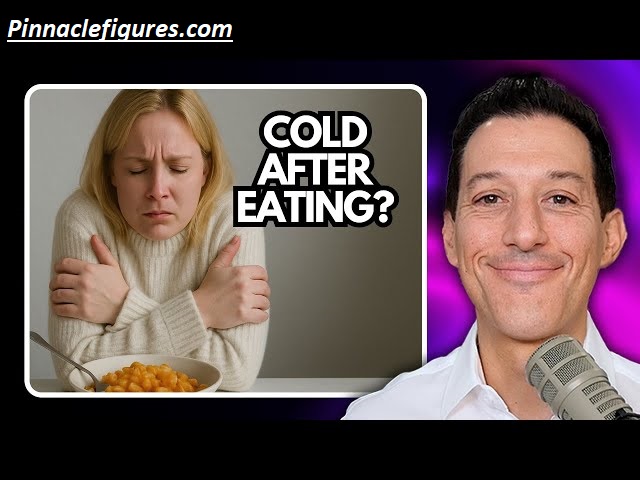
Why Do I Get Cold After I Eat? Feeling cold after eating is a strange but surprisingly common sensation many people experience occasionally after meals.
It can happen suddenly, even when the room temperature is warm and your body felt comfortable before eating.
This reaction is often linked to how your body redistributes blood flow during digestion to support the stomach and intestines.
The digestive system requires increased energy and circulation after meals, affecting overall body temperature perception.
As blood shifts toward digestion, less circulation may reach the skin, making you feel cooler temporarily.
In most cases, this is harmless and resolves on its own without needing medical treatment or concern.
However, frequent or intense cold sensations after eating may indicate underlying issues such as anemia or hormonal imbalance.
Conditions like Hypothyroidism can slow metabolism and make temperature regulation more difficult.
Table of Contents
Quick Table
| Scenario | Possible Cause | Action |
|---|---|---|
| After large meal | Blood flow shift | Rest, stay warm |
| Frequent chills | Hormonal issue | Medical check |
| After sugary foods | Blood sugar drop | Balanced meals |
| With fatigue | Anemia | Blood test |
| With weight gain | Thyroid issue | Doctor consultation |
Why Do You Feel Cold After Eating?
Feeling cold after eating is primarily linked to how your body prioritizes digestion immediately after consuming food.
During digestion, blood flow increases to the stomach and intestines to break down nutrients efficiently and absorb them properly.
This process, known as postprandial thermogenesis, usually generates heat but may temporarily alter circulation.
When blood is redirected inward, less reaches the skin and extremities, causing a drop in perceived external body temperature.
Your metabolism also plays a role, as different foods require varying levels of energy to digest and process.
People with slower metabolism may experience more noticeable temperature changes after meals compared to others.
Hormonal signals regulating digestion and temperature can also influence how your body reacts after eating.
Environmental factors, hydration levels, and meal composition further affect how strong this cold sensation feels.
For most individuals, this is a temporary physiological response rather than a sign of illness or dysfunction.

Common Causes Explained
One common cause is blood circulation changes during digestion, which shift warmth away from the skin surface.
Another factor is blood sugar fluctuation, especially after consuming high-carbohydrate or sugary meals that cause rapid insulin changes.
A sudden drop in blood sugar can lead to chills, fatigue, and weakness shortly after eating.
Low iron levels may contribute to feeling cold, as seen in Iron Deficiency Anemia affecting oxygen transport.
Dehydration can worsen circulation issues and amplify temperature sensitivity after meals.
Eating large meals may intensify the effect because digestion demands more blood flow and energy.
Stress or anxiety can also influence how your nervous system regulates temperature and digestion simultaneously.
Hormonal imbalances, including thyroid dysfunction, may disrupt metabolism and temperature control.
Understanding these causes helps identify whether lifestyle adjustments or medical evaluation is needed.
When It’s Normal vs. When It’s Not
Occasional mild cold sensations after eating are usually normal and not a cause for concern.
This is especially true if symptoms disappear quickly and do not interfere with daily activities or comfort.
It becomes concerning when the feeling happens frequently or intensifies over time without clear triggers.
Persistent symptoms may signal underlying health conditions that affect metabolism or circulation.
If accompanied by fatigue, dizziness, or weight changes, further evaluation may be necessary.
Chronic symptoms should not be ignored, particularly if they impact quality of life or energy levels.
Children, elderly individuals, and those with chronic illnesses should monitor symptoms more carefully.
Seeking medical advice ensures proper diagnosis and prevents potential complications.
Symptoms to Watch For
Feeling cold after eating may come with other symptoms that provide clues about the underlying cause.
Common associated symptoms include fatigue, dizziness, and weakness following meals.
Some individuals may experience sweating, shakiness, or rapid heartbeat due to blood sugar fluctuations.
Pale skin or shortness of breath may indicate anemia or circulation issues.
Weight gain, dry skin, and hair thinning may point toward thyroid-related problems.
Digestive discomfort such as bloating or nausea can also accompany the cold sensation.
Tracking these symptoms helps identify patterns and assists healthcare providers in diagnosis.

Decision Framework: Should You Be Concerned?
If the sensation occurs rarely and resolves quickly, monitoring at home is usually sufficient.
Frequent or worsening symptoms should prompt consideration of underlying causes and possible medical evaluation.
Seek medical advice if symptoms include severe fatigue, dizziness, or unexplained weight changes.
Blood tests may be recommended to check for anemia, thyroid function, and glucose levels.
Consult a specialist in Endocrinology for persistent or unexplained symptoms.
Early diagnosis improves treatment outcomes and prevents long-term complications.
How to Prevent Feeling Cold After Eating
Eating smaller, balanced meals helps reduce the strain on digestion and stabilizes blood flow distribution.
Include protein, healthy fats, and complex carbohydrates to maintain steady energy and temperature regulation.
Stay hydrated throughout the day to support circulation and metabolic processes.
Avoid skipping meals, as irregular eating patterns can disrupt blood sugar balance.
Dress appropriately and keep warm if you are prone to feeling cold after meals.
Regular physical activity improves circulation and overall metabolic efficiency.
Foods That May Trigger the Feeling
Sugary foods can cause rapid spikes and drops in blood sugar, leading to chills and fatigue afterward.
Highly processed carbohydrates may have similar effects on insulin and energy levels.
Cold foods or beverages can sometimes enhance the sensation of feeling cold after eating.
Low-calorie meals may not provide enough energy to sustain body temperature effectively.
Alcohol may disrupt circulation and temperature regulation, worsening symptoms.
Balanced meals help minimize these effects and support stable body function.
Medical Conditions Linked to Post-Meal Chills
Certain medical conditions can increase the likelihood of feeling cold after eating regularly.
Hypothyroidism slows metabolism and reduces heat production in the body.
Diabetes can cause fluctuations in glucose levels leading to chills after meals.
Anemia reduces oxygen delivery and affects temperature regulation.
Chronic digestive disorders may also impact nutrient absorption and energy production.
Medical evaluation is necessary to identify and manage these underlying conditions effectively.

Common Mistakes
Ignoring recurring symptoms may delay diagnosis of underlying health issues affecting temperature regulation.
Skipping meals or following extreme diets can worsen blood sugar imbalance and increase symptoms.
Overconsumption of sugary foods may lead to frequent fluctuations in energy and temperature.
Relying solely on quick fixes without addressing root causes may not resolve the issue long-term.
Not seeking medical advice when symptoms persist can lead to complications.
Best Practices
Maintain a balanced diet with consistent meal timing to support stable metabolism and circulation.
Monitor symptoms and track patterns related to food intake and lifestyle habits.
Stay physically active to improve blood flow and temperature regulation.
Consult healthcare professionals for persistent or concerning symptoms.
Adopt stress management techniques to support overall health and hormonal balance.
Entity Glossary
The digestive system processes food and distributes nutrients throughout the body.
Metabolism refers to how the body converts food into energy.
Hypothyroidism affects metabolism and temperature regulation.
Anemia reduces oxygen transport and may cause cold sensitivity.
Diabetes affects blood sugar levels and energy balance.

FAQs
Why do I feel cold after eating sugar?
Blood sugar spikes and crashes can trigger chills and fatigue.
Is it normal to feel cold after eating?
Yes, if occasional and mild, it is usually harmless.
Can anemia cause feeling cold after meals?
Yes, low iron levels affect oxygen delivery and temperature.
Does metabolism affect body temperature after eating?
Yes, slower metabolism may increase cold sensitivity.
Should I worry about post-meal chills?
Only if frequent, severe, or accompanied by other symptoms.
How can I stop feeling cold after eating?
Eat balanced meals, stay hydrated, and maintain a healthy lifestyle.
Q&A
Why do I feel cold after eating?
Because blood flow shifts to digestion, reducing warmth in the skin.
Is feeling cold after eating dangerous?
Usually not, but persistent symptoms may indicate health issues.
What causes chills after meals?
Blood sugar changes, circulation shifts, or medical conditions.
How can I prevent it?
Eat balanced meals and maintain proper hydration and lifestyle habits.
When should I see a doctor?
If symptoms are frequent, severe, or worsening over time.
Conclusion
Feeling cold after eating is usually a harmless response linked to digestion and blood flow changes within the body.
Most cases resolve quickly without treatment and can be managed with simple dietary and lifestyle adjustments.
However, persistent or severe symptoms may signal underlying health conditions that require medical evaluation.
Understanding the causes and recognizing warning signs helps you take appropriate action and maintain overall health.
If symptoms continue or worsen, consulting a healthcare professional ensures accurate diagnosis and effective treatment.
