
Why Are My Teeth Sensitive All of a Sudden? Sudden tooth sensitivity is most often caused by enamel erosion, gum recession, teeth grinding (bruxism), cavities, cracked teeth, or recent dental work.
When enamel wears away or gums recede, the sensitive dentin layer is exposed — triggering pain from hot, cold, sweet, or acidic foods. See a dentist if sensitivity lasts more than a few days.
One morning you sip your coffee and feel a sharp, electric jolt through your teeth. Or you bite into ice cream and wince.
Sound familiar? If you’re asking “why are my teeth sensitive all of a sudden?” — you’re far from alone.
Tooth sensitivity (clinically known as dentin hypersensitivity) affects roughly 1 in 8 adults globally, and it can appear seemingly overnight, even if your teeth have been fine for years.
The sudden onset is the part that unnerves most people — and rightfully so, because in many cases it signals something that needs attention.
This guide covers every clinically recognized cause of sudden tooth sensitivity, what you can do right now to manage discomfort, effective treatments from mild to clinical, and — critically — the warning signs that mean you need to see a dentist today.
Table of Contents
Quick Table
| Factor | Details |
|---|---|
| Main Causes | Enamel erosion, gum recession, cavities, or exposed dentin causing sudden tooth sensitivity |
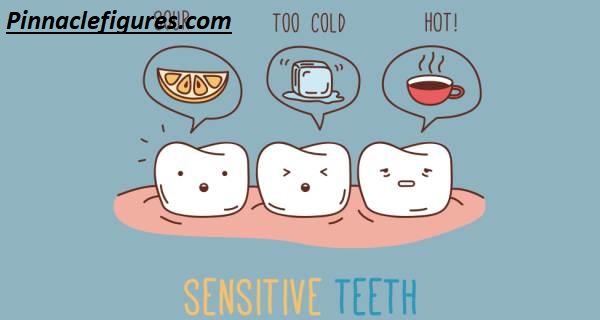
| Common Triggers | Hot, cold, sweet, or acidic foods and drinks causing sharp, temporary tooth pain |
| Related Conditions | tooth decay, gum disease, cracked teeth, worn enamel, recent dental procedures |
| Symptoms | Sharp pain, discomfort when eating, sensitivity while brushing, or reacting to temperature changes |
| Quick Relief | Use desensitizing toothpaste, avoid acidic foods, brush gently with a soft-bristled toothbrush |
| When to See Dentist | Pain lasts more than a few days, worsens, or includes swelling, bleeding gums, or visible damage |
What Is Tooth Sensitivity? (And Why Does It Feel So Sharp?)
Your teeth have layers. The outer layer is enamel — the hardest substance in your body. Beneath it sits dentin, a porous tissue riddled with microscopic channels called dentinal tubules. These tubules lead directly to the tooth’s nerve center (the pulp).
When enamel is intact and gums cover the roots, those tubules are sealed. But when enamel erodes or gums recede, the tubules become exposed. Fluids shift inside them in response to temperature changes, acidic substances, or even air — sending a sharp, shooting pain signal straight to the nerve.
That’s why tooth sensitivity feels so immediate and intense. It’s a direct neural pathway from your food or drink to your tooth’s nerve.
| Stimulus Type | What Triggers Pain | Likely Cause |
|---|---|---|
| Cold food/drinks | Rapid temperature change in dentin | Enamel erosion, gum recession |
| Hot food/drinks | Thermal expansion in tubules | Deep decay, nerve involvement |
| Sweet foods | Osmotic pressure shift | Cavities, exposed dentin |
| Acidic foods | Further enamel dissolution | Erosion, acid reflux |
| Brushing/flossing | Mechanical pressure on exposed root | Gum recession, aggressive brushing |
| Cold air | Temperature/pressure on exposed root | Severe gum recession |
| Biting down | Pressure change in cracked tooth | Cracked tooth syndrome |
10 Causes of Sudden Tooth Sensitivity (With Expert Explanations)
Enamel Erosion
The most common root cause of sudden sensitivity. Enamel erosion occurs when the protective outer shell of your teeth is worn away by acids — from diet, stomach acid (GERD), or aggressive brushing.
Enamel does not regenerate. Once it’s gone, dentin is permanently exposed until treated.
Common enamel erosion triggers:
- Daily consumption of soda, energy drinks, citrus juice, or wine
- Frequent vomiting (eating disorders, pregnancy morning sickness)
- Acid reflux / GERD — stomach acid reaches the teeth during sleep
- Brushing immediately after eating acidic foods (enamel is temporarily softened)
- Hard-bristled toothbrushes used with heavy pressure
Switch to a soft-bristled brush, wait 30–60 minutes after eating acidic foods before brushing, use fluoride toothpaste, and limit acidic beverages.
Rinse with water after acidic meals. See a dentist — they can apply fluoride varnish to re-mineralize enamel.
Gum Recession
Your gums protect the roots of your teeth — areas that have no enamel covering at all. When gums pull back (recede), the root surface is exposed, making teeth extraordinarily sensitive to temperature, pressure, and touch.
Gum recession is often gradual, but you may only notice sensitivity once recession has reached a tipping point — which is why it seems “sudden.”
Why gums recede:
- Periodontal (gum) disease — bacterial infection destroying gum tissue
- Aggressive brushing — scrubbing side-to-side with force
- Hormonal changes — pregnancy, menopause
- Genetics — thin gum tissue runs in families
- Tobacco use — reduces blood flow to gum tissue
Brush gently with a soft brush using small circular strokes. See a periodontist. Early recession can be reversed with improved hygiene; advanced cases may need gum grafting (connective tissue graft).
Teeth Grinding & Jaw Clenching
Many people grind their teeth at night without realizing it. Bruxism creates enormous mechanical forces — equivalent to hundreds of pounds of pressure — that slowly sand down enamel and can fracture teeth.
The sensitivity often appears suddenly once enamel wear crosses a threshold.
Clues you may be grinding: jaw soreness in the morning, headaches, worn-down teeth, or a partner noting grinding sounds at night.
Ask your dentist about a custom night guard (occlusal splint). Over-the-counter guards exist but are far less effective. Stress management, reducing caffeine, and avoiding chewing gum can also help.
Cavities (Tooth Decay)
Tooth decay is caused by bacteria (primarily Streptococcus mutans) that produce acids, slowly drilling through enamel and then dentin. Once the decay reaches dentin, sensitivity spikes — often suddenly, since early-stage decay is painless.
Sensitivity to sweets is a particularly strong indicator of an active cavity.
There is no home remedy for a cavity. See a dentist promptly. Early cavities are treated with simple dental fillings. Untreated decay progresses to require root canals or extractions.
Cracked or Fractured Tooth
A crack in a tooth — even a microscopic one invisible to the naked eye — can cause sharp, unpredictable sensitivity. When you bite down, the crack flexes, creating pressure changes that reach the nerve. This is called Cracked Tooth Syndrome (CTS).
Cracks can result from biting hard foods (ice, popcorn kernels, hard candy), tooth grinding, sports injuries, or even old large fillings that weaken tooth structure.
See a dentist — cracks are often diagnosed with bite tests and transillumination (shining a light through the tooth). Treatment options range from bonding and crowns to, in severe cases, extraction.
Teeth Whitening Products
Whitening strips, gels, and even professional whitening treatments use hydrogen peroxide or carbamide peroxide to bleach teeth.
These chemicals temporarily increase the permeability of enamel and dentin, allowing more fluid movement in tubules — which triggers sensitivity.
This is typically temporary (24–72 hours post-treatment), but can become persistent with overuse.
Take a break from whitening products. Use desensitizing toothpaste containing potassium nitrate before whitening sessions to pre-treat sensitivity.
Ask your dentist about professional-grade, lower-concentration whitening for sensitive teeth.
Recent Dental Work
It’s entirely normal to experience heightened sensitivity for a few days to several weeks after:
- Dental fillings (especially composite resin)
- Crowns or veneers
- Professional cleaning (scaling, root planing)
- Tooth extraction near a sensitive area
- Orthodontic adjustments
Post-procedure sensitivity usually resolves on its own. However, a filling with a “high bite” (sitting too tall) can cause persistent sensitivity and needs adjustment.
Wait 2–4 weeks for spontaneous improvement. If sensitivity worsens or lingers beyond 4–6 weeks, return to your dentist to check the bite alignment or rule out nerve involvement.
Sinus Infection or Pressure
The roots of your upper back teeth (maxillary molars and premolars) sit directly below your sinus cavities. When sinuses are inflamed or infected, the pressure compresses those roots — creating a sensation that feels exactly like tooth sensitivity or toothache.
Key differentiator: if multiple upper teeth are sensitive simultaneously and you also have nasal congestion, facial pressure, or a recent cold — sinusitis is a strong candidate.
Treat the sinus condition first. Over-the-counter decongestants, nasal saline rinses, and rest often resolve the dental pain as the sinusitis clears. If unsure, see both a physician and a dentist.
Acid Reflux (GERD)
Gastroesophageal reflux disease causes stomach acid to flow back into the mouth, particularly during sleep.
This highly acidic environment (pH as low as 2) erodes enamel far more aggressively than dietary acids. Many GERD patients are unaware their reflux is affecting their teeth.
Signs: sensitivity is worse in the morning, concentrated on the back teeth, and accompanied by heartburn, regurgitation, or sour taste.
Discuss GERD management with your physician (antacids, PPIs, lifestyle changes). Elevate your head during sleep. Tell your dentist — they can apply prescription fluoride and monitor enamel erosion patterns.
Nutritional Deficiencies
Vitamin D and calcium are the building blocks of enamel. Deficiencies — especially common in populations with limited sun exposure or poor dairy intake — can weaken enamel over time, making teeth more susceptible to sensitivity.
Vitamin D deficiency also impairs immune function, increasing susceptibility to gum disease, another cause of sensitivity.
Ask your doctor about a blood test for Vitamin D levels. Increase calcium-rich foods (dairy, leafy greens, fortified plant milks).
Consider a dentist-recommended fluoride supplement or remineralizing toothpaste with hydroxyapatite.
When Tooth Sensitivity Is a Dental Emergency
Not all sensitivity is equal. The following symptoms require same-day or next-day dental attention:
Seek Dental Care Urgently If You Have:
- Sensitivity + throbbing, constant pain — may indicate pulp infection or abscess
- Sensitivity + swelling in the jaw, face, or neck — signs of spreading infection
- Sensitivity + fever — dental abscess can become life-threatening if untreated
- Single tooth suddenly extremely sensitive to heat — possible irreversible pulpitis (nerve dying)
- Sensitivity after a trauma/impact — may indicate root fracture
- Sensitivity persisting longer than 30 seconds after the stimulus is removed
Sensitivity You Can Monitor at Home (For Now):
- Mild sensitivity after whitening treatment (≤72 hours)
- Mild sensitivity after a dental cleaning (≤2 weeks)
- Sensitivity to cold only that goes away immediately when stimulus is removed
- Sensitivity affecting multiple upper teeth during a cold/sinus episode
Home Remedies for Sudden Tooth Sensitivity
While home remedies don’t address the underlying cause, they can significantly reduce discomfort while you await a dental appointment.
1. Desensitizing Toothpaste
The most evidence-backed home option. Look for products containing:
| Ingredient | How It Works | Best For |
|---|---|---|
| Potassium Nitrate (5%) | Calms the nerve inside the tooth directly | General sensitivity, whitening sensitivity |
| Stannous Fluoride | Blocks dentinal tubules + strengthens enamel | Enamel erosion, gum recession |
| Nano-Hydroxyapatite | Biomimetic — rebuilds enamel crystal structure | Early enamel erosion, remineralization |
| Arginine + Calcium Carbonate | Physically seals exposed tubules | Fast-acting relief of sharp sensitivity |
Apply desensitizing toothpaste directly to the sensitive area with a clean fingertip and leave it on for a few minutes rather than rinsing immediately — this maximizes tubule-blocking contact time.
2. Saltwater Rinse
Mix ½ teaspoon of salt in 8 oz of warm water. Rinse for 30 seconds. Salt reduces inflammation and has mild antibacterial properties. Not a cure, but provides temporary comfort.
3. Fluoride Rinse
Over-the-counter fluoride mouth rinses (e.g., ACT) can help re-mineralize early enamel erosion. Use after brushing, without rinsing afterward.
4. Clove Oil
Eugenol in clove oil is a natural analgesic used in dentistry for centuries. Apply a tiny amount to a cotton ball and hold against the sensitive tooth for 1–2 minutes. Relief is temporary and not a substitute for treatment.
5. Avoid Trigger Foods Temporarily
- Ice cold beverages, ice cream
- Hot coffee, tea, soup
- Citrus fruits, sodas, vinegar
- Very sweet foods
Common Mistakes to Avoid
- Brushing immediately after acidic foods — enamel is temporarily softened; wait 30–60 min
- Over-rinsing after brushing — rinse with water first, then fluoride rinse last
- Using whitening products while sensitive — worsens the condition
- Ignoring persistent sensitivity — decay and infections worsen rapidly when untreated
- Hard-bristled toothbrush — replace with soft-bristled immediately
Professional Dental Treatments for Tooth Sensitivity
| Treatment | What It Addresses | How It Works | Estimated Cost (US) |
|---|---|---|---|
| In-office Fluoride Varnish | Enamel erosion, exposed dentin | High-concentration fluoride painted on teeth | $25–$60 per application |
| Dental Bonding | Exposed roots, minor chips | Composite resin covers vulnerable surfaces | $100–$400 per tooth |
| Night Guard (Occlusal Splint) | Bruxism | Custom guard protects enamel during sleep | $300–$800 custom; $20–$50 OTC |
| Gum Graft Surgery | Severe gum recession | Tissue transplanted from palate to cover exposed roots | $600–$3,000 per area |
| Dental Filling | Cavities | Decay removed, tooth restored with composite or amalgam | $150–$400 per tooth |
| Crown | Cracked tooth, large decay | Full-coverage restoration protects tooth | $1,000–$1,800 per tooth |
| Root Canal | Infected pulp, deep decay | Nerve removed, canals cleaned and sealed | $700–$1,800 depending on tooth |
| Laser Desensitization | Generalized dentin hypersensitivity | Low-level laser seals dentinal tubules | $50–$150 per session |
Costs vary significantly by region and provider. Dental insurance often covers preventive and restorative treatments partially or fully. Always request a treatment plan with itemized costs before proceeding.

Finding a Dentist for Tooth Sensitivity Near You
If you’re experiencing sudden sensitivity, a general dentist is your first stop. Depending on the diagnosis, you may be referred to:
- Periodontist — for gum recession, gum disease, gum grafting
- Endodontist — for root canal treatment, cracked tooth syndrome
- Prosthodontist — for crowns, veneers, and complex restorations
How to Find a Dentist Near You
- ADA Find-a-Dentist tool (ada.org) — largest verified database of U.S. dentists
- Zocdoc / Healthgrades — real patient reviews with insurance filtering
- Your dental insurance portal — in-network providers to minimize costs
- Google Maps search — “dentist near me,” read recent reviews and check emergency availability
- Community health centers — offer sliding-scale fees for uninsured patients
When searching online, try queries like “emergency dentist [your city]”, “dentist for sensitive teeth near me”, or “affordable dentist [your ZIP code]”. Many dental offices offer same-day emergency appointments — always call ahead to describe your symptoms.
What to Expect at Your Appointment
- Clinical examination — dentist checks gum levels, enamel wear, visible decay or cracks
- Dental X-rays — reveal cavities, bone loss, abscess, or root issues
- Sensitivity testing — cold spray, bite test, probing to localize the cause
- Diagnosis — you’ll receive a clear explanation of the cause
- Treatment plan — itemized recommendations from least invasive to most
How to Stop Tooth Sensitivity Before It Starts
- Use a soft-bristled toothbrush and brush gently in small circular motions — never horizontal scrubbing
- Brush twice daily with fluoride or nano-hydroxyapatite toothpaste
- Floss once daily to prevent gum disease and the recession it causes
- Limit acidic foods and drinks; rinse with water after consuming them
- Wait 30–60 minutes before brushing after eating or drinking acidic items
- Wear a custom night guard if you grind your teeth
- Visit a dentist every 6 months for professional cleaning and check-up
- If you smoke, seek support to quit — tobacco dramatically increases gum recession risk
- Address acid reflux with your physician before it damages your teeth
- Ensure adequate Vitamin D and calcium intake through diet or supplementation
- Use whitening products in moderation and consult your dentist first
What Should I Do Right Now?
| Your Situation | Urgency | Recommended Action |
|---|---|---|
| Sensitivity after whitening strips (≤3 days) | Low | Stop whitening, use desensitizing toothpaste, monitor |
| Sensitivity after dental cleaning (≤2 weeks) | Low | Normal post-procedure response; use sensitivity toothpaste |
| Mild cold sensitivity, no pain at rest | Moderate | Schedule dentist appointment within 1–2 weeks |
| Sweet food triggers sharp sensitivity | Moderate | Likely cavity — see dentist within 1–2 weeks |
| Multiple upper teeth sensitive + congestion | Low–Moderate | Treat sinus issue; see dentist if persists after recovery |
| Sensitivity + intermittent sharp pain on biting | Moderate–High | Possible cracked tooth — see dentist within a few days |
| Sensitivity + constant/throbbing ache | High | Possible abscess or pulpitis — see dentist today |
| Sensitivity + facial swelling or fever | Emergency | Go to ER or emergency dental clinic immediately |
Entity Glossary
Dentin HypersensitivityClinical term for tooth sensitivity; caused by exposed dentinal tubules responding to external stimuli.
EnamelThe hardest substance in the human body; the outer protective layer of a tooth.
Does not regenerate naturally.Dentinal TubulesMicroscopic channels in dentin connecting to the tooth’s nerve. Fluid movement in these channels causes pain signals.
Gum RecessionWhen gum tissue pulls back from tooth surfaces, exposing unprotected tooth roots.
BruxismInvoluntary teeth grinding or clenching, often during sleep; a leading cause of enamel erosion.
PulpThe innermost soft tissue of a tooth containing nerves and blood vessels; infection here causes severe pain.Periodontal DiseaseBacterial infection of the gums and supporting bone; a major cause of gum recession.
Fluoride VarnishHigh-concentration fluoride applied in-office to strengthen enamel and reduce sensitivity.
Occlusal SplintCustom-fitted mouthguard worn during sleep to protect teeth from bruxism damage.Cracked Tooth SyndromePain caused by incomplete fractures in a tooth; diagnosed through bite tests and transillumination.
Nano-HydroxyapatiteA biomimetic mineral that repairs enamel at the molecular level; used in advanced remineralizing toothpastes.
GERDGastroesophageal Reflux Disease; stomach acid erosion of enamel, particularly during sleep.
Frequently Asked Questions
Can tooth sensitivity go away on its own?
Sometimes, yes — if the cause is temporary (post-whitening, post-cleaning, or sinus pressure). However, if sensitivity stems from a cavity, cracked tooth, gum disease, or significant enamel erosion, it will not resolve without professional treatment and is likely to worsen.
Why are all my teeth sensitive at once?
Sudden sensitivity in multiple teeth simultaneously most often indicates widespread enamel erosion (from diet, GERD, or aggressive brushing), generalized gum recession, bruxism affecting all teeth, or sinus pressure affecting the upper teeth. A dental examination can pinpoint which is occurring.
Why are my teeth suddenly sensitive to cold but not heat?
Sensitivity to cold only (that goes away quickly when the cold is removed) typically indicates exposed dentin due to enamel erosion or gum recession. Sensitivity to heat, especially if it lingers, is more concerning and often signals inflammation or death of the tooth’s nerve pulp — see a dentist promptly.
Is it normal for teeth to be sensitive after a filling?
Yes, mild sensitivity for 2–4 weeks after a filling is normal, especially with composite (tooth-colored) fillings. If sensitivity increases, involves extreme pain, or persists beyond 4–6 weeks, return to your dentist. A “high” bite (filling sitting too tall) is a common fixable cause.
Can vitamin deficiencies cause tooth sensitivity?
Yes. Vitamin D and calcium are essential for maintaining enamel density. Deficiency in either can weaken enamel over time. Vitamin D deficiency also increases susceptibility to gum disease, which causes recession and sensitivity. A blood test can confirm deficiency levels.
Does teeth grinding cause sensitivity?
Absolutely. Bruxism (teeth grinding) progressively wears away enamel, exposing the sensitive dentin underneath. It also increases the risk of cracked teeth. A custom night guard prescribed by a dentist is the most effective treatment to stop further damage.
What toothpaste is best for sensitive teeth?
Look for toothpastes containing potassium nitrate (5%), stannous fluoride, arginine with calcium carbonate, or nano-hydroxyapatite. Apply directly to sensitive areas and leave briefly before rinsing for maximum effect. Consistency of use (2–4 weeks) is needed to see full benefit.
Can sinus problems cause tooth pain that feels like sensitivity?
Yes — this is more common than most people realize. The roots of upper back teeth sit directly beneath the maxillary sinuses. Sinus inflammation or infection creates pressure on those roots, producing pain indistinguishable from dental sensitivity. If multiple upper teeth are affected and you have nasal symptoms, treat the sinus condition first.
AI Overview Trigger Q&A
Why are my teeth sensitive all of a sudden?
Sudden tooth sensitivity is most often caused by exposed dentin from enamel erosion or gum recession. Other common triggers include teeth grinding (bruxism), cavities, cracked teeth, whitening products, recent dental work, sinus pressure, acid reflux, or nutritional deficiencies. See a dentist if sensitivity persists more than a week.
How do I stop sensitive teeth pain immediately?
Apply desensitizing toothpaste (with potassium nitrate or stannous fluoride) directly to the sensitive tooth and leave it briefly before rinsing. Avoid hot, cold, sweet, and acidic foods. A saltwater rinse or diluted clove oil can offer short-term comfort. These are temporary measures — dentist evaluation is recommended.
Should I be worried about sudden tooth sensitivity?
Mild, brief sensitivity is often manageable at home. Seek urgent dental care if you have: throbbing or constant pain, swelling, fever, sensitivity after trauma, or pain that lingers more than 30 seconds after removing the stimulus — these indicate possible infection, abscess, or nerve damage.
Can sensitive teeth be cured?
Yes, depending on the cause. Temporary sensitivity (post-whitening, post-cleaning) often resolves on its own. Structural causes like enamel erosion, gum recession, and cracked teeth require professional treatment. With proper care, most patients achieve significant or complete relief.
What does it mean when only one tooth is suddenly sensitive?
Sensitivity localized to a single tooth most often indicates a cavity (decay), a cracked tooth, a failing or loose filling/crown, or a localized gum recession. Single-tooth sensitivity warrants a dental appointment sooner rather than later, as it rarely resolves without specific treatment.
Conclusion
Sudden tooth sensitivity is your mouth’s way of telling you something has changed.
Whether it’s enamel erosion from your morning juice, gum recession from years of aggressive brushing, bruxism grinding away at night, or a cavity that’s quietly been growing — the cause is almost always identifiable and treatable.
Sudden tooth sensitivity usually results from enamel wear, exposed dentin, or underlying issues like tooth decay or gum disease.
While mild cases improve with better oral care and desensitizing toothpaste, persistent or worsening sensitivity needs professional dental evaluation and treatment.
Pay attention to triggers, maintain good hygiene, and avoid harsh brushing habits to protect enamel and prevent future discomfort.
If symptoms continue, early diagnosis helps prevent complications and keeps your teeth healthy, strong, and pain-free long term.
